
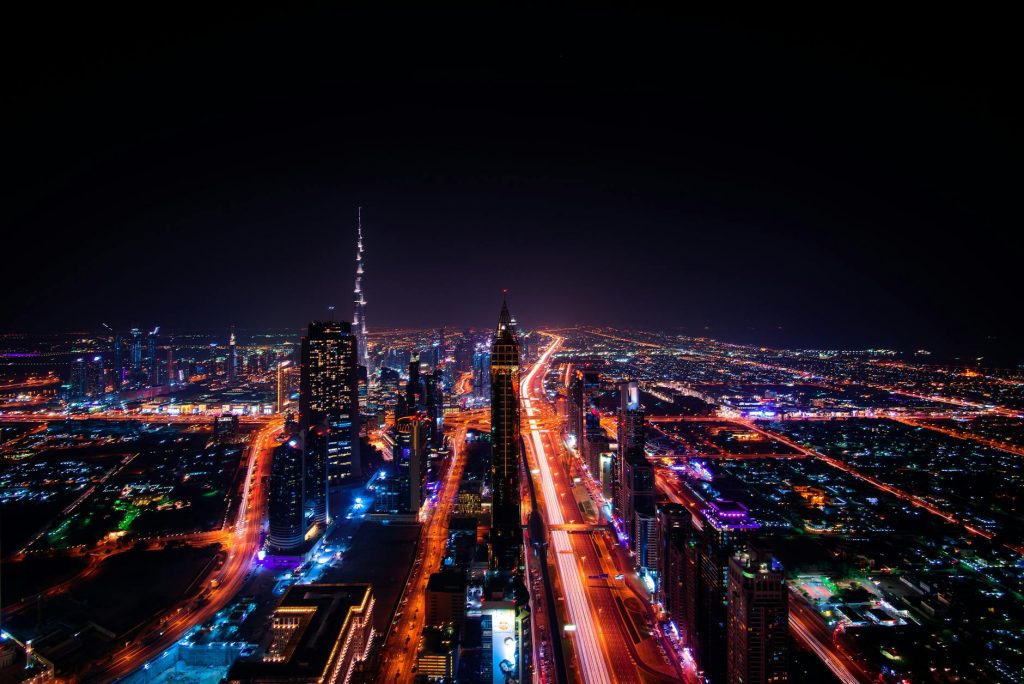
For the first time in weeks, India’s nighttime temperatures are refusing to drop. While daytime heat has long been our summer companion, the nights staying warm is a different story—and it’s catching meteorologists’ attention.
Across major cities, minimum temperatures have climbed above comfortable levels, with many regions now recording nights warmer than what we’d typically expect for this season. Delhi, Mumbai, and several other metros are experiencing this shift simultaneously, suggesting a broader atmospheric pattern at play.
Why nights are staying hot
The culprit appears to be a combination of factors. Moisture-laden winds, persistent cloud cover, and urban heat islands are trapping warmth that normally escapes into the atmosphere after sunset. When nights don’t cool down, the ground retains more heat, which then gets released during the day—creating a vicious cycle.
Meteorologists point out that this pattern isn’t entirely unexpected for pre-monsoon seasons, but the intensity and persistence are noteworthy. Climate data suggests such events are becoming more frequent across India’s major population centers.
What this means for your daily life
Warmer nights hit your health, sleep, and energy bills directly. Your body struggles to regulate temperature when there’s no cool respite after sunset. Sleep quality deteriorates, and heat-related stress accumulates faster in your system.
For outdoor workers and laborers, this doubles the pressure. There’s less recovery time between shifts when nights fail to bring relief. Hospitals typically see a spike in heat-related admissions during such spells.
The agricultural sector faces challenges too. Many crops depend on cool nights to mature properly. Warmer overnight temperatures can affect yields and push farming communities toward water-intensive irrigation practices when resources are already stretched.
Your electricity consumption will climb noticeably. Air conditioners that would typically cool off during nights now work through the evening and early morning hours. Water heating naturally reduces demand, but cooling demand remains steady around the clock.
Looking ahead
Meteorologists suggest this pattern may persist for another week or two, depending on wind patterns and moisture availability. The monsoon’s arrival will eventually reset things, bringing cooler nights and relief across the country.
For now, the practical advice remains familiar: stay hydrated, avoid peak heat hours if possible, and ensure vulnerable family members—children, elderly relatives, those with existing health conditions—get extra attention during both day and night.
This warming trend is a reminder that India’s climate is increasingly unpredictable. While we’ve adapted to hot days for generations, adapting to hot nights requires a fresh approach to how we live, work, and plan our cities.