
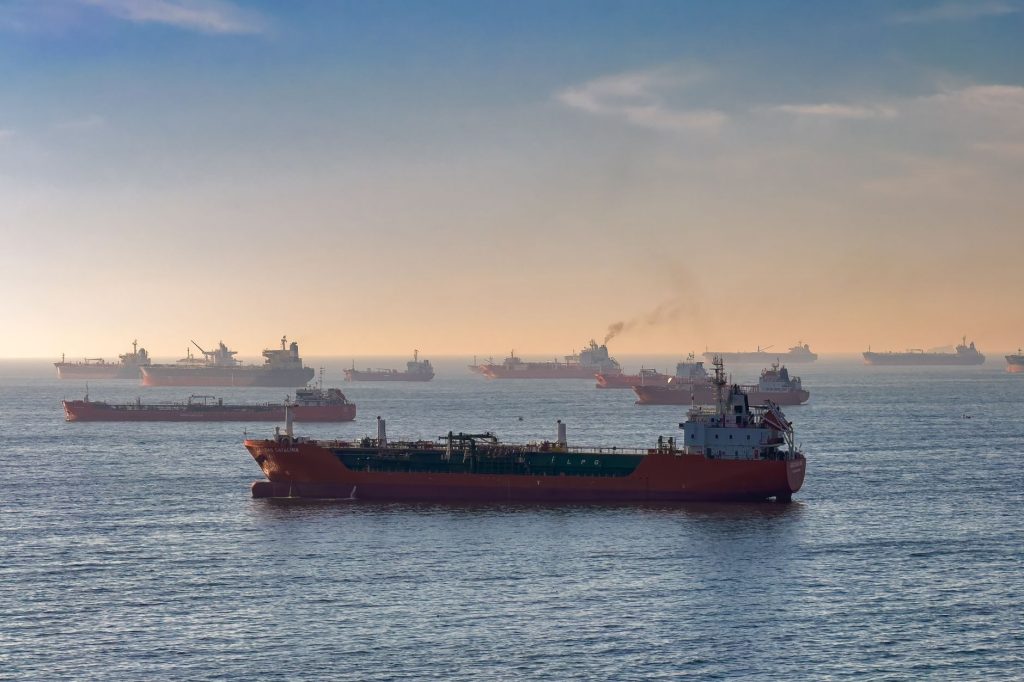
Imagine yourself filling up your car’s fuel tank at a local petrol pump. You’re not even aware of the complex journey that oil took to reach your vehicle. But, did you know that India has made significant strides in securing its oil imports, reducing dependence on a sensitive region? Let’s dive into this crucial development that affects us all.
The Petroleum Ministry has announced that India has successfully secured about 70% of its crude oil imports outside the Strait of Hormuz. This strategic move is a significant boost to the country’s energy security, reducing the risks associated with importing oil from a region prone to geopolitical tensions.
What’s the Strait of Hormuz?
The Strait of Hormuz is a narrow waterway connecting the Persian Gulf to the Gulf of Oman, separating Iran from the United Arab Emirates and Oman. It’s a critical chokepoint for global oil trade, with around 20% of the world’s oil passing through it. However, the region has been a hotspot for regional tensions, making it a vulnerable link in the global oil supply chain.
India’s decision to diversify its oil imports is a shrewd move, reducing its reliance on a single region. By securing a larger share of oil imports from outside the Strait of Hormuz, India can tap into a more stable and secure supply chain, ensuring a steady flow of oil to meet its growing energy needs.
Why is this a big deal for India?
India’s oil imports have been on the rise, driven by growing demand from its vast and diverse population. The country is the third-largest oil consumer in the world, and its dependence on imported oil is projected to continue growing in the coming years. By securing a significant portion of its oil imports outside the Strait of Hormuz, India can mitigate the risks associated with importing oil from a sensitive region.
This strategic move also has economic implications. India can now negotiate better oil prices and terms with its suppliers, reducing its energy import bill. This, in turn, can help the country’s economy, which is heavily dependent on energy imports.
Expert Context: A Secure Future for India’s Oil Imports
According to experts, India’s decision to secure a larger share of its oil imports outside the Strait of Hormuz is a long-term strategy to ensure energy security. ‘India’s oil imports will continue to grow, and it’s essential to have a diversified supply chain to mitigate risks,’ said a senior oil industry expert. ‘By securing a significant portion of its oil imports outside the Strait of Hormuz, India can ensure a stable and secure supply of oil, meeting its growing energy needs.’
The Petroleum Ministry’s announcement is a significant step towards achieving this goal. As India continues to grow and develop, securing its oil imports will remain a top priority. With this strategic move, India is taking a crucial step towards ensuring a secure and stable future for its oil imports.
Going forward, India will continue to work towards diversifying its oil imports, reducing its dependence on a single region. This will not only ensure energy security but also provide economic benefits, helping the country’s economy grow and prosper.