
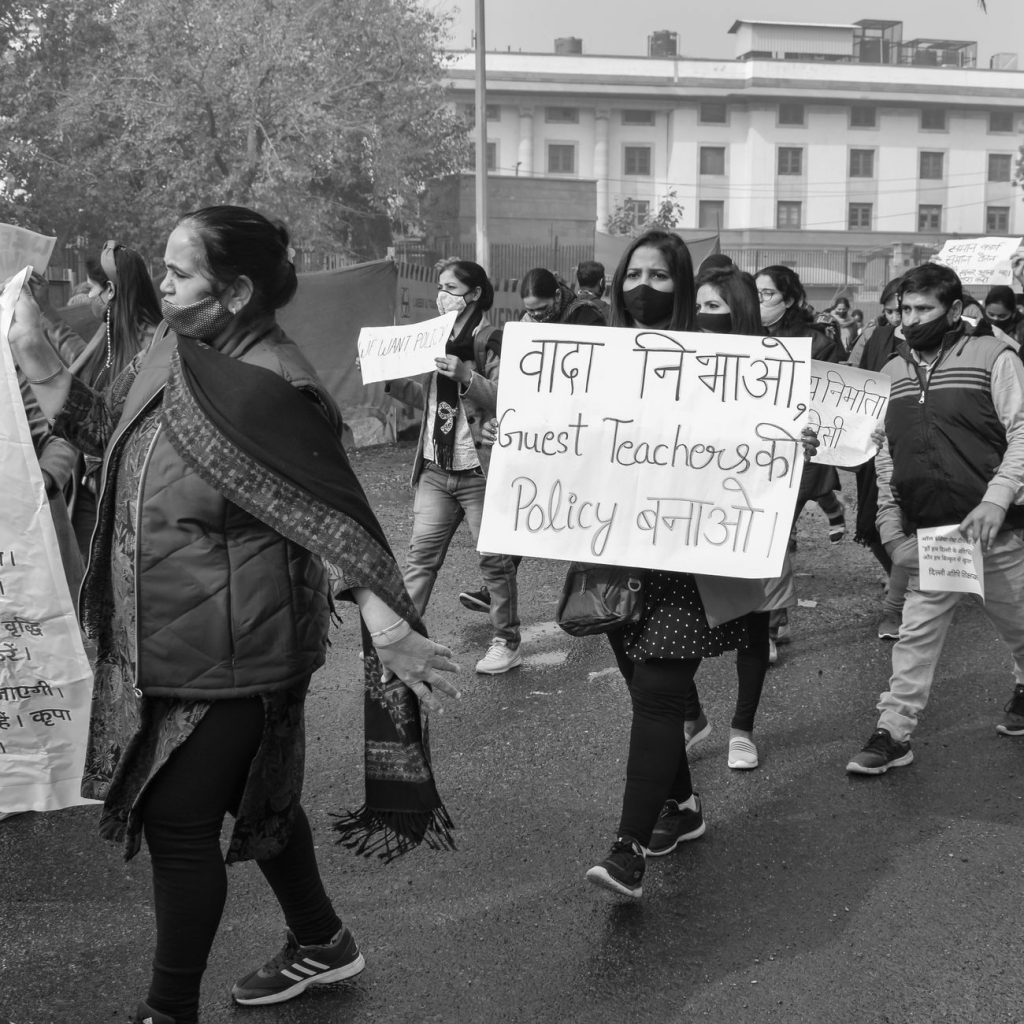
Are thousands of Indians taking to the streets for nothing more than a silly mascot? The truth behind India’s massive protests is far more complex and interesting than that.
What’s the Real Reason Behind the Protests?
The protests, which have drawn millions of people across the country, started as a reaction to the economic crisis and the rising cost of living. But the movement quickly gained momentum and evolved into a broader call for change, with demands for better governance, job opportunities, and a more equitable society.
At the heart of the protests is a growing sense of disillusionment with the current government and the economic policies that have failed to deliver for many Indians. The protesters, who come from all walks of life, are demanding a more inclusive and responsive government that addresses their needs and concerns.
The mascot of the protests, a cockroach, may seem like an odd choice, but it’s actually a clever reference to the perceived corruption and inefficiency of the current system. The cockroach, which is notoriously difficult to get rid of, has become a symbol of the protesters’ determination to bring about change and rid the country of the ‘filth’ that has accumulated over the years.
What’s the History Behind the Protests?
The protests have their roots in the 2019 general elections, when the current government came to power with a promise of ‘acche din’ (good days) for all Indians. However, the reality has been far from it, with the economy facing a severe slowdown, unemployment rising, and the cost of living increasing exponentially.
Despite the government’s efforts to present a rosy picture, the reality on the ground has been bleak, with many Indians struggling to make ends meet. The protests have been a manifestation of this growing frustration and anger, with people from all over the country coming together to demand a better deal.
What’s Next for India?
The protests are a wake-up call for the government, which has been slow to respond to the growing demands of the people. The government will need to take concrete steps to address the economic crisis, create jobs, and improve governance if it wants to stem the tide of the protests.
The protests are also a reminder that India is a country of 1.3 billion people, each with their own unique experiences and aspirations. The government will need to listen to the people and work towards creating a more inclusive and responsive society if it wants to build a brighter future for all Indians.
The outcome of the protests is far from certain, but one thing is clear: India will never be the same again. The country is at a crossroads, and the choices it makes in the coming weeks and months will have a profound impact on its future.
As the protests continue to unfold, one thing is certain: the people of India will not be silenced. They will keep demanding a better deal, and it’s up to the government to listen and respond.