
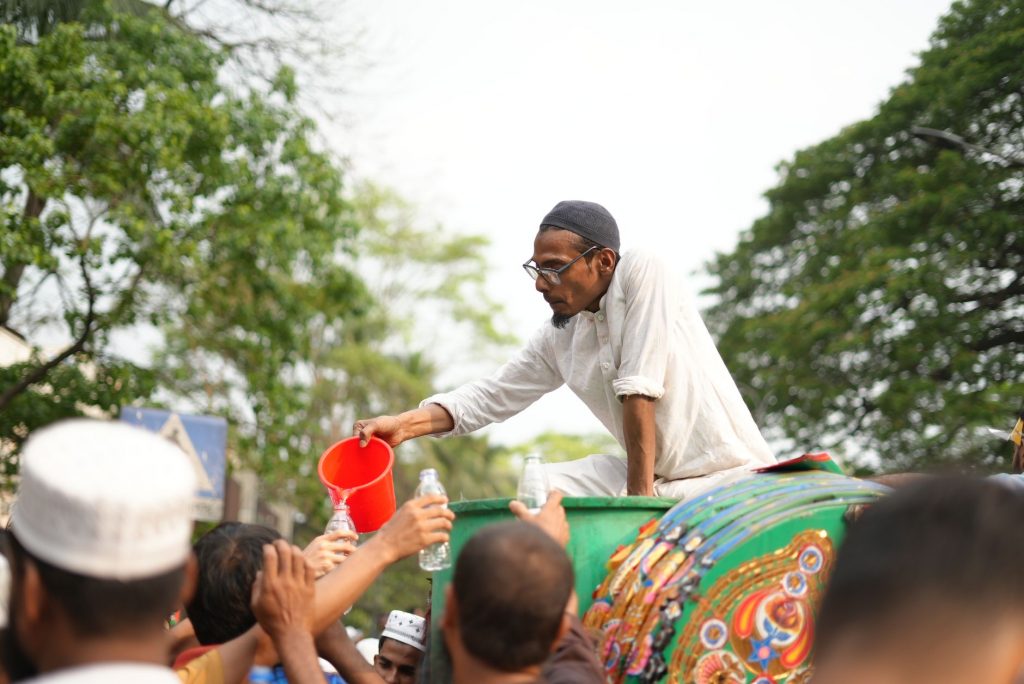
In a shocking display of resilience, thousands of Indians have been protesting in the blistering heat, defying temperatures soaring above 40 degrees Celsius.
The protesters are demanding water rights and fair distribution of this precious resource, which has been a pressing issue in many parts of the country for years.
CJP’s Abhijeet Dipke is a key figure in this movement, and his insights provide a deeper understanding of the situation.
In an exclusive interview, Dipke explained that the protesters are not just fighting for water rights, but also for the rights of the marginalized communities who have been historically denied access to this basic necessity.
The movement has been gaining momentum since its inception, with thousands of people from various walks of life joining the cause. The protesters have been using innovative methods such as social media, street art, and community engagement to raise awareness about the issue.
The Background of India’s Water Crisis
India is home to some of the most fertile and water-rich regions in the world, but paradoxically, the country is also facing a severe water crisis. The reasons behind this paradox are complex and multifaceted.
One of the main reasons is the uneven distribution of water resources, which has been exacerbated by government policies and corporate interests. Many parts of the country, particularly rural areas, have limited access to clean drinking water, and the situation is worsened by the lack of effective water management systems.
Another factor contributing to the water crisis is the growing demand for water from industries and urban areas. The rapid urbanization of India has led to a significant increase in water consumption, which has put a strain on the country’s water resources.
The Role of Government in Addressing the Crisis
The Indian government has been criticized for its inadequate response to the water crisis. While there have been some initiatives to improve water management and distribution, much more needs to be done to address the root causes of the problem.
The government’s priorities have been skewed towards infrastructure development and economic growth, which has resulted in the neglect of basic human needs such as access to clean drinking water.
Abhijeet Dipke argues that the government needs to take a more holistic approach to addressing the water crisis, one that prioritizes the needs of marginalized communities and promotes sustainable water management practices.
What This Means for Indians
The ongoing protests demonstrate that Indians are not willing to accept the status quo when it comes to water rights. The movement has sparked a national conversation about the importance of access to clean drinking water and the need for sustainable water management practices.
As the protests continue, Indians are being forced to confront the harsh realities of the water crisis and the need for collective action to address it. The movement has the potential to bring about significant changes in the way the country approaches water management, and it is likely to have far-reaching consequences for Indians across the country.