
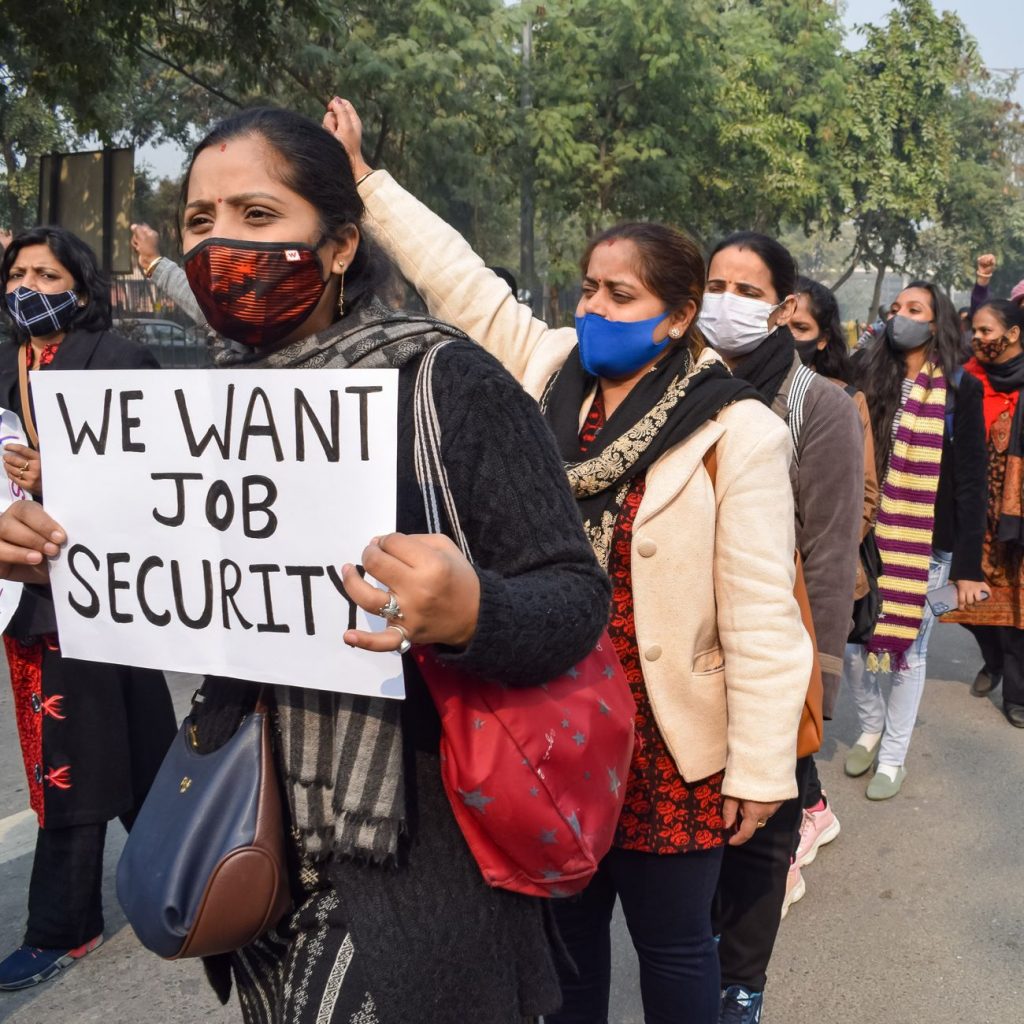
India’s youth has found a new way to challenge Prime Minister Narendra Modi’s media control – by taking over the digital space with their smartphones.
Protesters, mostly from Gen Z, have flooded social media platforms with videos and memes that are painting a different picture of the prime minister’s image. Gone are the days when Modi’s carefully crafted image of a strong leader was the only narrative. Today, the young protesters are creating their own stories, using social media as their megaphone.
How the Protest Movement is Changing the Game
The Gen Z-led protest movement is a significant development in India’s digital landscape. For years, the government has been accused of controlling the narrative through its media channels. But the young protesters have found a way to break free from this grip by using social media platforms like Twitter, YouTube, and Instagram.
These platforms have given the protesters a chance to share their stories, showcase their creativity, and connect with like-minded individuals across the country. The result is a digital narrative that is diverse, dynamic, and unfiltered. Modi’s media control is being punctured, and his carefully constructed image is being dismantled.
The protest movement is not just about dissent; it’s also about empowerment. By using social media, the young protesters are taking control of their narrative and challenging the status quo. They are creating a new kind of politics, one that is inclusive, participatory, and digital.
But what’s driving this movement? For many young Indians, the answer lies in the sense of disillusionment with the current system. They feel that the government is not listening to their concerns, and that their voices are being ignored. Social media has given them a platform to express themselves and connect with others who share their views.
Why This Matters
The impact of this movement goes beyond the digital space. It has the potential to change the way politics is practiced in India. By giving the young protesters a voice, social media is democratizing the political process and making it more inclusive.
The movement also highlights the importance of digital literacy in today’s world. As the world becomes increasingly digital, it’s essential to have the skills to navigate this space and use it to our advantage. The young protesters have shown that with the right tools and knowledge, anyone can become a changemaker.
But what happens next? Will the government respond to the protesters’ demands, or will it try to silence them? Only time will tell. One thing is certain – the digital narrative has changed, and it’s here to stay.
As the protest movement continues to gain momentum, it’s essential to watch and learn from its evolution. The young protesters have shown that social media can be a powerful tool for change, and that together, we can create a more just and equitable society.
The future of Indian politics is being shaped by the digital narrative, and it’s up to us to participate in this journey. By supporting the protesters and amplifying their voices, we can create a more inclusive and participatory democracy.
What’s Next for Modi’s Media Control?
The government’s response to the protest movement will be crucial in determining the future of Modi’s media control. Will it try to silence the protesters, or will it engage with them and address their concerns?
If the government chooses to engage with the protesters, it may be a sign that it’s willing to listen to their demands and make changes. But if it tries to silence them, it may reinforce the perception that the government is out of touch with the people.
The digital narrative has changed, and it’s up to the government to respond. Will it adapt to the new reality, or will it try to hold on to the old ways? Only time will tell.