
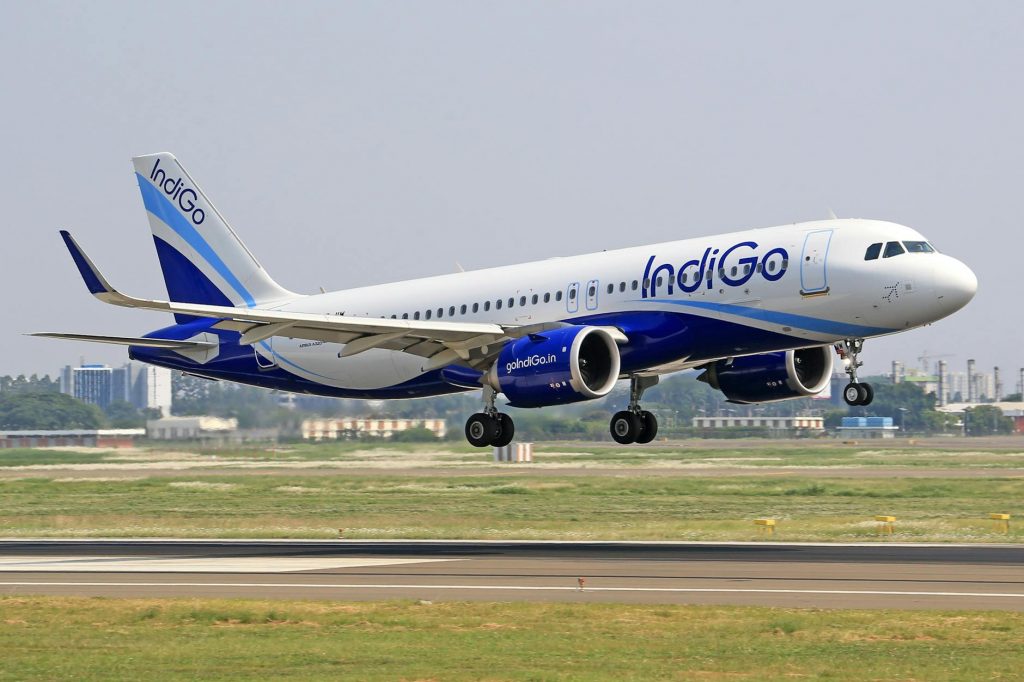
IndiGo, India’s largest airline, has announced plans to significantly reduce its wide-body flights in the wake of global economic uncertainty and rising fuel costs.
The move comes as no surprise, given the current market conditions and the impact it has had on airlines worldwide. In recent months, we’ve seen major carriers such as Air India and Singapore Airlines announce similar cuts to their long-haul services.
Industry-Wide Challenges
The aviation sector has been hit hard by rising fuel prices, currency fluctuations, and declining demand for international travel. As a result, many airlines are being forced to reassess their operations and make tough decisions to stay afloat.
IndiGo, which operates a fleet of over 300 aircraft, has been a major beneficiary of India’s growing aviation market. However, with the current global economic slowdown, the airline’s management is taking a cautious approach to ensure its long-term sustainability.
According to sources, IndiGo’s wide-body fleet, which includes Airbus A330s and A350s, will be significantly reduced in the coming months. The airline is expected to focus on its narrow-body operations, which are more fuel-efficient and better suited to the current market conditions.
Impact on Passengers and Employees
While the decision to cut wide-body flights may seem like bad news for passengers, it’s worth noting that IndiGo’s narrow-body operations will continue to offer a wide range of domestic and international routes. However, some passengers may face reduced connectivity and frequency on certain routes.
The impact on IndiGo’s employees is also a concern. With the reduction in wide-body flights, some staff members may face job losses or changes to their roles. The airline has assured its employees that it will provide support and training to those affected by the restructuring.
IndiGo’s management has stressed that the decision to cut wide-body flights is a strategic one, aimed at ensuring the airline’s long-term sustainability in a challenging market. The airline’s focus on fuel efficiency, cost control, and customer-centric operations will remain unchanged.
A Long-Term View
As the global aviation sector continues to navigate the challenges of rising costs, declining demand, and increased competition, IndiGo’s decision to cut wide-body flights is a calculated move to stay ahead of the curve. While it may be a difficult time for passengers and employees, the airline’s management is taking a long-term view, prioritizing sustainability and profitability over short-term gains.
For IndiGo, the key to success lies in its ability to adapt to changing market conditions and innovate its operations to meet the evolving needs of its customers. By focusing on fuel efficiency, cost control, and customer-centric operations, the airline can build a strong foundation for growth and remain a leader in the Indian aviation market.
As we move forward, it will be interesting to see how IndiGo’s restructuring efforts pay off and whether the airline can maintain its position as India’s largest carrier. One thing is certain, however – the aviation sector will continue to be a dynamic and challenging industry, with constant changes and disruptions. Only those who adapt and innovate will survive and thrive.