
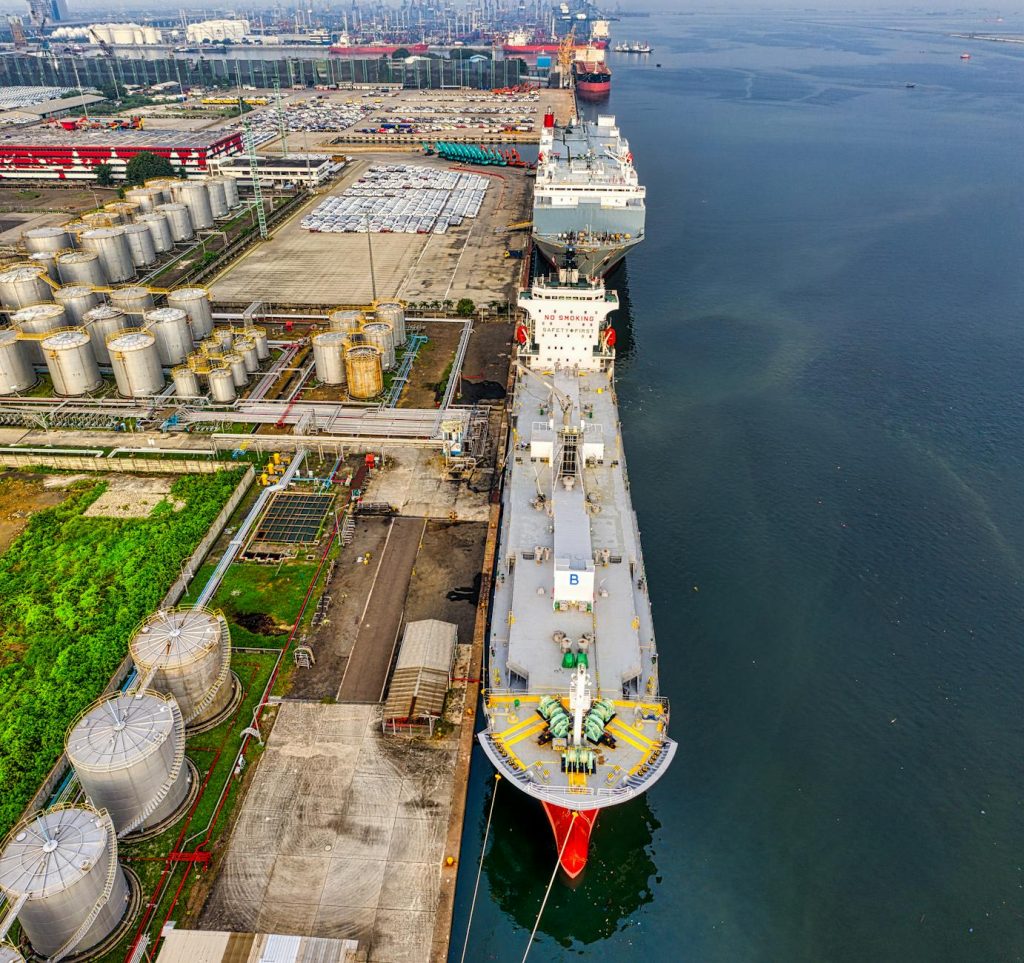
A tanker full of Iranian oil that was supposed to arrive in India suddenly changed course mid-journey and headed to China instead. The Indian government has now explained why this happened, and the reasons tell us something important about how global oil trade actually works.
Why Did the Ship Change Its Mind?
Here’s the straightforward answer: money and timing. The shipping company found a better deal in China — higher prices meant more profit for them. Once a ship is already on the ocean, companies can reroute it to wherever they’ll make more money, even if it means breaking an existing arrangement with India.
The Centre explained that this kind of thing happens regularly in the global oil market. Tankers don’t always stick to their original plans because oil trading is incredibly fast-paced. Prices change by the hour, buyers change their minds, and ships follow the money.
It’s not like buying groceries from your neighborhood shop where you’ve already placed an order. International oil trading is more like an auction where the highest bidder wins, sometimes right up until the last moment.
Why Should Indians Care About This?
India depends heavily on imported oil — we produce nowhere near enough to meet our own needs. Iran is one of our important suppliers, especially since many other countries have restrictions on trading with Iran due to international sanctions.
When shipments get diverted, it means less oil flowing into India’s refineries, which eventually affects fuel prices at your local petrol pump. Even if it’s just one tanker, these diversions can push prices up slightly.
The bigger picture is that India is competing with much richer countries like China for the same limited supplies. China can often outbid us because they have more money and more storage capacity. This is a challenge India needs to manage better.
The government’s explanation shows they’re aware of what’s happening in these deals. They’re not caught off guard — they understand that in global commodity markets, contracts can shift quickly.
What Happens Now?
India will continue buying Iranian oil, but probably needs to get smarter about how it secures these deals. This might mean negotiating long-term contracts that can’t be broken easily, or building strategic oil reserves so individual shipment delays don’t hurt us as much.
For now, the government is likely working behind the scenes to secure more Iranian crude through firmer agreements. The real test will be whether India can lock in reliable oil supplies before China outbids us again.