
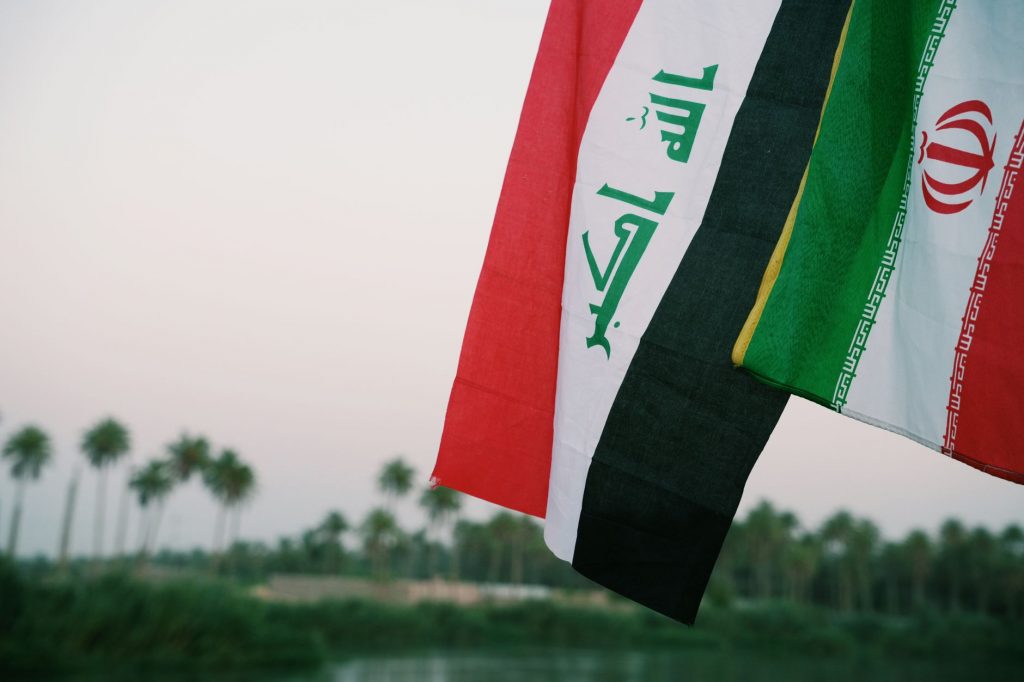
As the world grapples with rising tensions and economic challenges, India’s relationship with Iran has become a crucial aspect of the country’s foreign policy. With Iran reaffirming its commitment to strengthening ties with India, the question on everyone’s mind is: what does this mean for India’s energy security and regional influence?
At the heart of India-Iran cooperation lies the Chabahar Port, a strategic hub that has the potential to transform India’s connectivity with Central Asia and the Middle East. The port’s significance cannot be overstated, as it provides a vital outlet for India’s trade and commerce, particularly in the wake of the US-China trade war. By strengthening its partnership with Iran, India aims to reduce its dependence on the Suez Canal and diversify its trade routes, thereby enhancing its economic resilience.
Energy Security and the JCPOA
Iran’s commitment to expanding ties with India also has significant implications for the country’s energy security. India is one of the largest importers of Iranian oil, and any disruption to these supplies could have far-reaching consequences for the country’s economy. The Joint Comprehensive Plan of Action (JCPOA), also known as the Iran nuclear deal, has been a cornerstone of India-Iran cooperation. The deal has allowed India to continue importing Iranian oil, despite US sanctions, and has provided a much-needed boost to the country’s energy security.
However, the JCPOA has been under threat since the US withdrew from the deal in 2018. The re-imposition of US sanctions on Iran has created uncertainty over the future of the deal and the stability of the region. Iran’s commitment to expanding ties with India sends a strong message that the country remains committed to its nuclear deal and will continue to engage with India on energy cooperation despite the challenges.
Bilateral Cooperation and Regional Dynamics
India and Iran have made significant progress in recent years in strengthening their bilateral cooperation. The two countries have signed several agreements on trade, energy, and defense, and have also launched joint projects in areas such as education and culture. The Iran-India Friendship Dam, a major irrigation project on the Harirud River, is a testament to the two countries’ commitment to cooperation in the region.
However, the regional dynamics in the Middle East have become increasingly complex, with the US-Iran confrontation adding to the tensions. The recent attacks on Saudi oil facilities and the subsequent US-Iran conflict have raised concerns over the stability of the region. Iran’s commitment to expanding ties with India sends a strong message that the country remains committed to its regional partners and will continue to engage with India on regional issues.
Implications for India and the Region
The implications of Iran’s commitment to expanding ties with India are far-reaching and multifaceted. For India, the partnership offers a strategic opportunity to enhance its energy security, reduce its dependence on the Suez Canal, and boost its regional influence. By strengthening its ties with Iran, India can also reduce its reliance on China and Russia and diversify its foreign policy options.
However, the regional dynamics in the Middle East remain complex, and the US-Iran confrontation poses significant risks to regional stability. India must tread carefully in its dealings with Iran, balancing its strategic interests with its commitment to regional stability and security. The key question is: how will India navigate the complexities of the Middle East and what implications will this have for its relationship with Iran and the region as a whole?
As the world grapples with the challenges of the 21st century, India’s relationship with Iran has become a critical aspect of its foreign policy. By strengthening its ties with Iran, India can enhance its energy security, reduce its dependence on the Suez Canal, and boost its regional influence. The implications of this partnership are far-reaching, and India must navigate the complexities of the Middle East with caution and strategic thinking.
As the Indian government continues to engage with Iran on regional issues, the country must be mindful of the risks and challenges posed by the US-Iran confrontation. By strengthening its ties with Iran, India can reduce its reliance on China and Russia and diversify its foreign policy options. The partnership also offers a strategic opportunity to enhance its energy security and reduce its dependence on the Suez Canal.
However, the key to success lies in India’s ability to balance its strategic interests with its commitment to regional stability and security. By navigating the complexities of the Middle East with caution and strategic thinking, India can unlock the full potential of its partnership with Iran and emerge as a major player in the region.
As the world watches with bated breath, India must make its move in the Middle East. The stakes are high, and the implications of India’s partnership with Iran are far-reaching. By engaging with Iran on regional issues, India can unlock the full potential of its partnership and emerge as a major player in the region. The question is: what will India do next?