
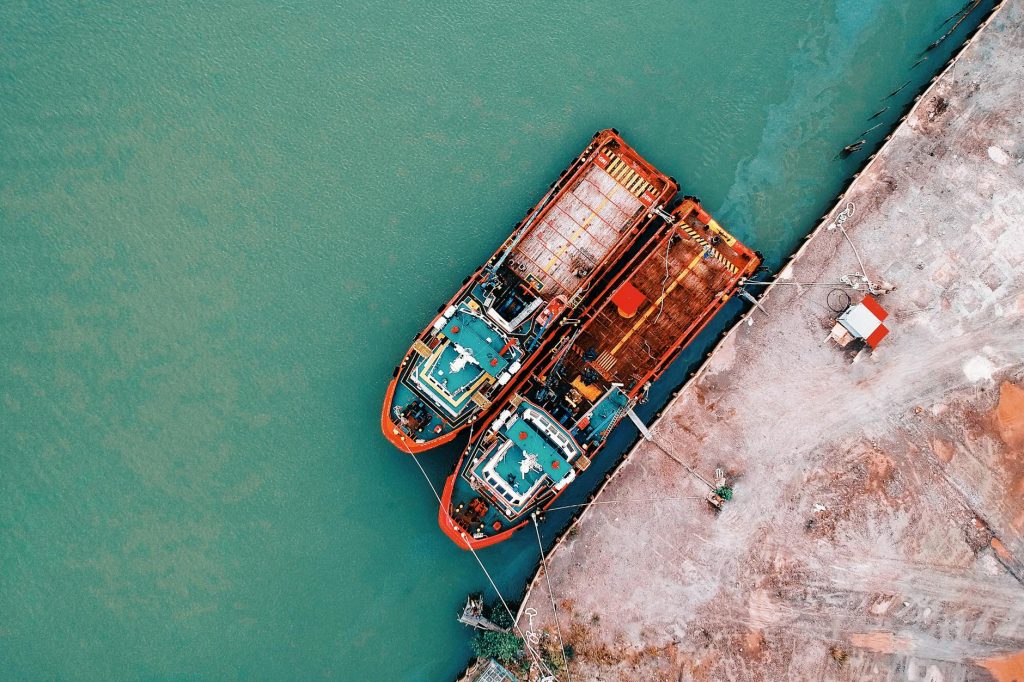
The Iranian naval vessel Lavan pulled into Kochi’s port with a crew of 184 sailors on the same day that the United States carried out military operations against another Iranian ship in the Gulf. The timing underscores the delicate balance India maintains in its diplomatic relationships as tensions escalate between Tehran and Washington.
The Lavan’s arrival marks a significant moment for Indo-Iranian maritime relations. The ship’s presence in one of India’s busiest ports signals New Delhi’s continued engagement with Iran, despite mounting pressure from Western powers. Such port calls are routine in international maritime practice, but the optics matter in geopolitics.
Why This Matters for India
India walks a tightrope. On one hand, we have strategic interests in the Persian Gulf and historical ties with Iran dating back centuries. On the other hand, our relationship with the United States has grown significantly in recent years, particularly in defence and technology cooperation.
The Lavan’s docking in Kochi happens against a backdrop of escalating military confrontation between the US and Iran. When such incidents occur simultaneously with Indian port visits, it puts New Delhi in a position where every move is scrutinised. Hosting Iranian naval vessels is legally permissible and diplomatically normal, yet it sends signals in multiple directions.
India’s shipping lanes and trade routes remain vulnerable to any broader conflict in the Gulf region. Nearly 80% of our oil imports come from the Middle East, making stability in that region crucial for our economy. Any widening of US-Iran hostilities could disrupt energy supplies and maritime commerce.
The Diplomatic Balancing Act Ahead
Indian officials have traditionally maintained that port visits by foreign vessels are standard international practice and don’t represent political alignment. This position holds water legally, but geopolitically, New Delhi must manage perceptions carefully.
The Ministry of External Affairs will likely avoid commenting directly on the timing of the Lavan’s arrival. Instead, expect statements emphasising India’s commitment to international maritime law and our neutral stance on regional conflicts. Behind closed doors, though, conversations with both Washington and Tehran will continue.
What happens next depends on whether US-Iran tensions simmer down or boil over. If military escalations continue, India may face tougher choices about maintaining such routine engagements. If tensions ease, port calls like this become unremarkable again.
For now, the Lavan’s crew of 184 will experience the hospitality of Kochi while their ship undergoes whatever maintenance or replenishment it requires. Meanwhile, Indian policymakers will continue the delicate dance of protecting our strategic interests while avoiding entanglement in others’ conflicts.