
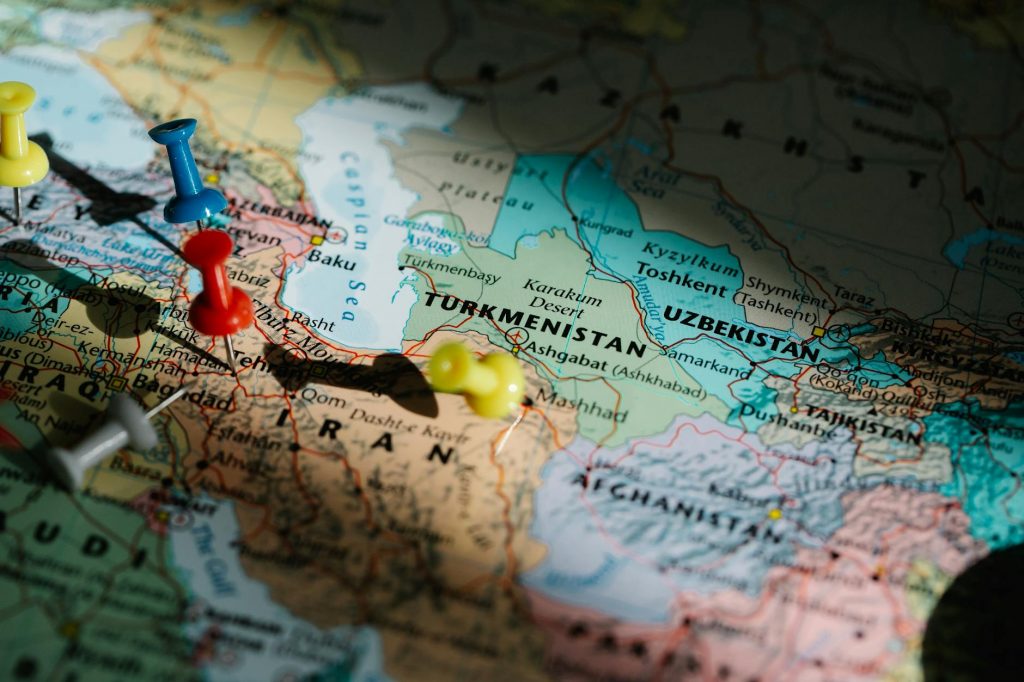
Iraq has closed its main border crossing with Iran following deadly airstrikes that killed at least one Iraqi national. The Shalamcheh crossing, a critical trade route, now sits shuttered as tensions between Tehran and Tel Aviv escalate dangerously across the region.
The closure marks a significant move by Iraq, which has consistently tried to stay neutral in the Iran-Israel conflict. By sealing off this vital gateway, Baghdad is signaling its frustration with the violence spilling onto its territory.
What sparked the closure
Recent airstrikes targeting Iranian positions near the Iraqi border have killed civilians and damaged infrastructure. Iraq’s government, already stretched thin managing multiple crises, can’t afford more casualties on its soil.
The Shalamcheh crossing isn’t just a border point—it’s a lifeline for trade between Iran and Iraq. Shutting it down disrupts commerce, transport, and people movement that both nations depend on.
Iraq’s decision reflects growing anger at being dragged into conflicts it didn’t start. The country has repeatedly asked both parties to resolve disputes without using Iraqi territory as a battleground.
Why Indians should pay attention
This escalation affects global oil prices, which directly impact India’s energy costs and inflation. Any disruption in Middle East stability tends to ripple through Indian markets within days.
Indian companies with operations in Iraq or Iran face uncertain business conditions. Supply chains that run through these regions could face delays and additional costs.
More importantly, India maintains diplomatic ties with both Iran and Iraq. New Delhi will need to carefully balance its relationships as the situation unfolds, potentially affecting India’s regional influence and energy security.
Indian workers in Iraq and surrounding areas should stay alert. While the immediate threat may seem distant, regional instability can escalate rapidly and unexpectedly.
The bigger picture: This is just one more sign that the Middle East remains volatile. As the Iran-Israel tensions continue simmering, watch for more border closures, trade disruptions, and potential humanitarian consequences that could eventually touch Indian shores through economic and geopolitical channels.