
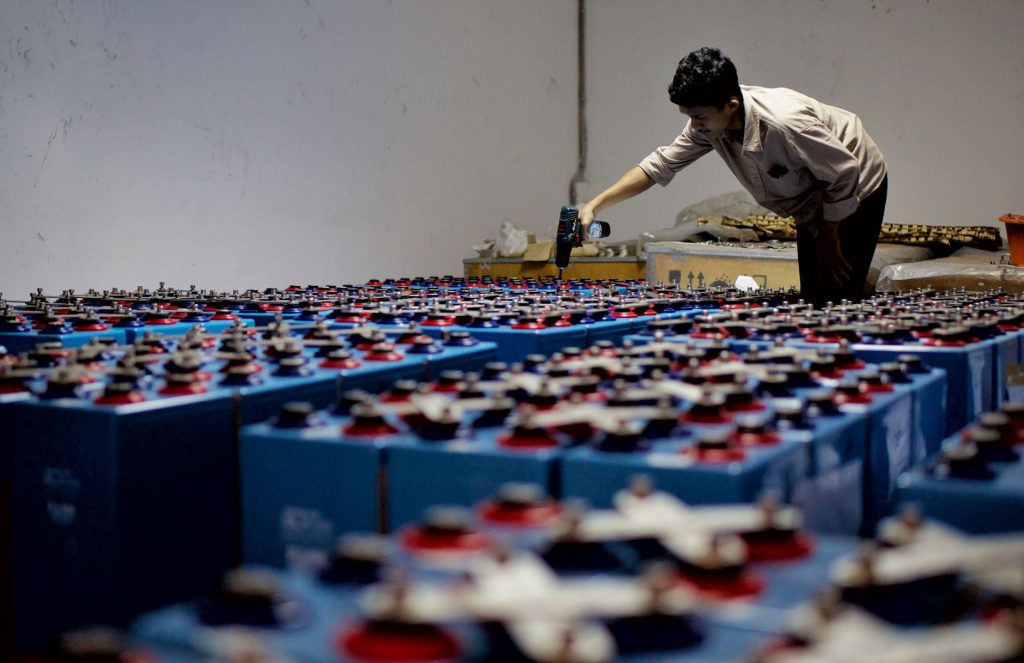
As India’s electronics industry continues to grow at a rapid pace, many are wondering if the country is on the cusp of a major breakthrough. Prime Minister Narendra Modi’s recent visit to the CG Semiconductor plant in Telangana has left many speculating about the future of India’s electronics sector.
But what exactly does this plant represent, and how does it fit into India’s broader electronics strategy? In this article, we’ll take a closer look at the CG Semiconductor plant and what it means for India’s electronics dreams.
India’s Electronics Ambition
India has been working towards becoming a major player in the global electronics industry for several years now. With the government’s ‘Make in India’ initiative and the ‘Digital India’ campaign, the country has been actively promoting the growth of its electronics sector. The goal is to create a self-sufficient electronics industry that can cater to the needs of the domestic market, as well as export to other countries.
One of the key areas of focus for India’s electronics strategy has been the development of a robust semiconductor industry. Semiconductors are the building blocks of modern electronics, and India has been working to create a domestic industry that can produce these critical components. The CG Semiconductor plant is a significant step towards achieving this goal.
CG Semiconductor Plant: A Game-Changer?
Located in the city of Sanjaynagar in Telangana, the CG Semiconductor plant is a state-of-the-art facility that is set to play a major role in India’s electronics strategy. The plant is a joint venture between CG Power and Industrial Solutions and the Taiwanese company, Foxconn. With an investment of Rs. 25,000 crores, the plant is expected to create a significant number of jobs and contribute significantly to India’s GDP.
But what makes the CG Semiconductor plant so special? For starters, it is one of the largest semiconductor manufacturing facilities in the world. The plant will have the capacity to produce a wide range of semiconductors, from basic components to sophisticated chips used in cutting-edge electronics. This will enable India to reduce its dependence on imports and create a domestic industry that can cater to the needs of the domestic market.
The plant is also expected to create a significant number of jobs, both directly and indirectly. With the government’s ‘Make in India’ initiative, the country is looking to create a robust manufacturing sector that can provide employment opportunities to millions of Indians. The CG Semiconductor plant is expected to be a major contributor to this effort, with the potential to create tens of thousands of jobs.
What’s Next for India’s Electronics Sector?
The CG Semiconductor plant is just the beginning of India’s electronics journey. With the government’s support and the country’s growing talent pool, the sector is expected to continue growing rapidly in the coming years. As India becomes a major player in the global electronics industry, the country is likely to see a significant increase in exports and a corresponding boost to its economy.
But what about the challenges ahead? India’s electronics sector still faces several challenges, including a lack of skilled manpower and a lack of infrastructure. However, with the government’s initiatives and the country’s growing industry, these challenges are expected to be overcome in the coming years.
In conclusion, the CG Semiconductor plant is a major step forward for India’s electronics sector. With its state-of-the-art facilities and significant investment, the plant is expected to play a major role in India’s electronics strategy. As the country continues to grow and develop its electronics industry, the CG Semiconductor plant is likely to be a major contributor to India’s success.