
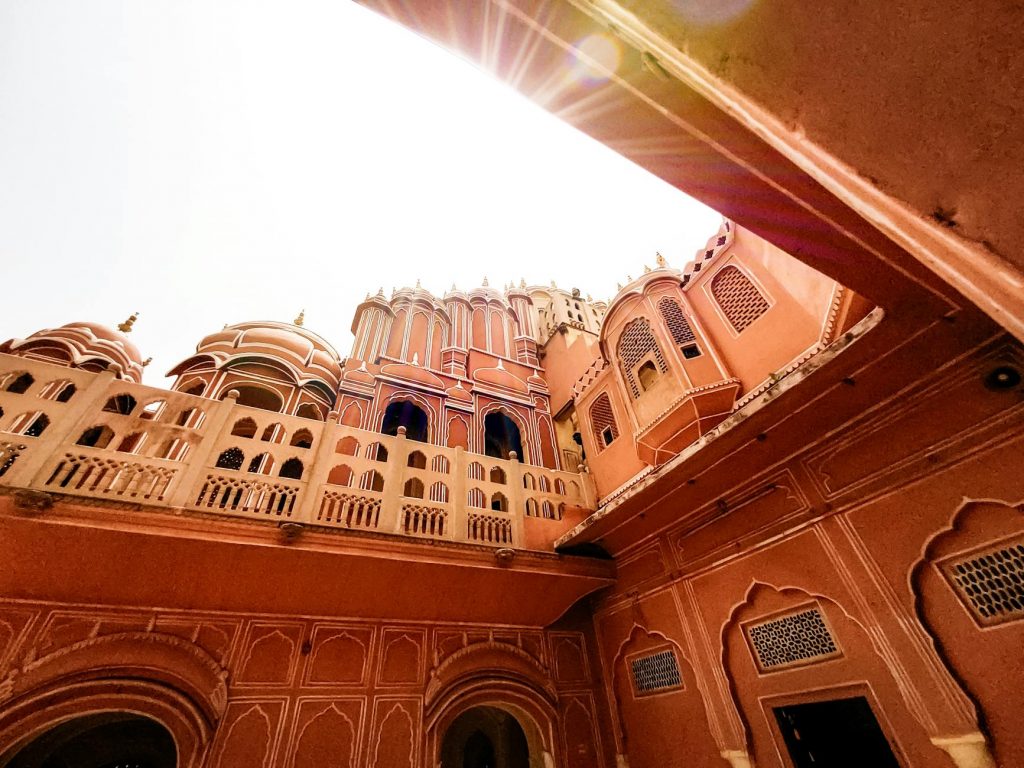
A section of balcony wall at a mosque in Jaipur suddenly collapsed on Monday, leaving around 20 people injured. The incident happened during daytime hours when several worshippers were present in the building. Emergency services rushed to the spot and provided medical assistance to those hurt in the accident.
What Caused the Collapse?
Authorities are still investigating the exact cause of the structural failure. Initial reports suggest that the balcony wall may have weakened due to age or lack of proper maintenance. The wall apparently gave way without warning, catching everyone inside completely off-guard.
Jaipur, like many Indian cities, has several older religious structures that haven’t undergone regular safety checks. Building experts say that periodic inspections are crucial to prevent such accidents, especially in places where large numbers of people gather regularly.
Response and Next Steps
Local authorities have cordoned off the damaged section to prevent further accidents. Officials have launched an inquiry to determine whether the building was safe for public use and whether proper maintenance records existed.
The injured have been taken to nearby hospitals for treatment. Most sustained minor to moderate injuries, though doctors are conducting thorough check-ups to rule out any serious complications. The condition of all patients is being monitored closely.
This incident has sparked conversations about building safety standards in religious structures across the city. Municipal officials have said they will now conduct surprise inspections of mosques, temples, gurudwaras, and churches to check for structural weaknesses.
For the community that uses this mosque, this is a sobering reminder that infrastructure needs constant care. Religious institutions often run on limited budgets, and many struggle to afford expensive repairs or professional safety audits. However, the safety of worshippers cannot be compromised.
The incident highlights a larger problem in many Indian cities — older buildings that lack modern safety standards. When structures age, materials weaken, and what seems solid on the outside can be dangerously fragile underneath. Regular inspections and timely repairs could have potentially prevented this accident.
Jaipur’s municipal corporation has invited building owners to voluntarily register their structures for safety evaluation. The administration has also clarified that they will help identify buildings that need immediate intervention. This proactive approach could prevent similar incidents in the future.
As the investigation continues, this incident serves as a wake-up call for everyone responsible for public buildings — whether religious, commercial, or residential — to prioritize safety checks and necessary maintenance work.