
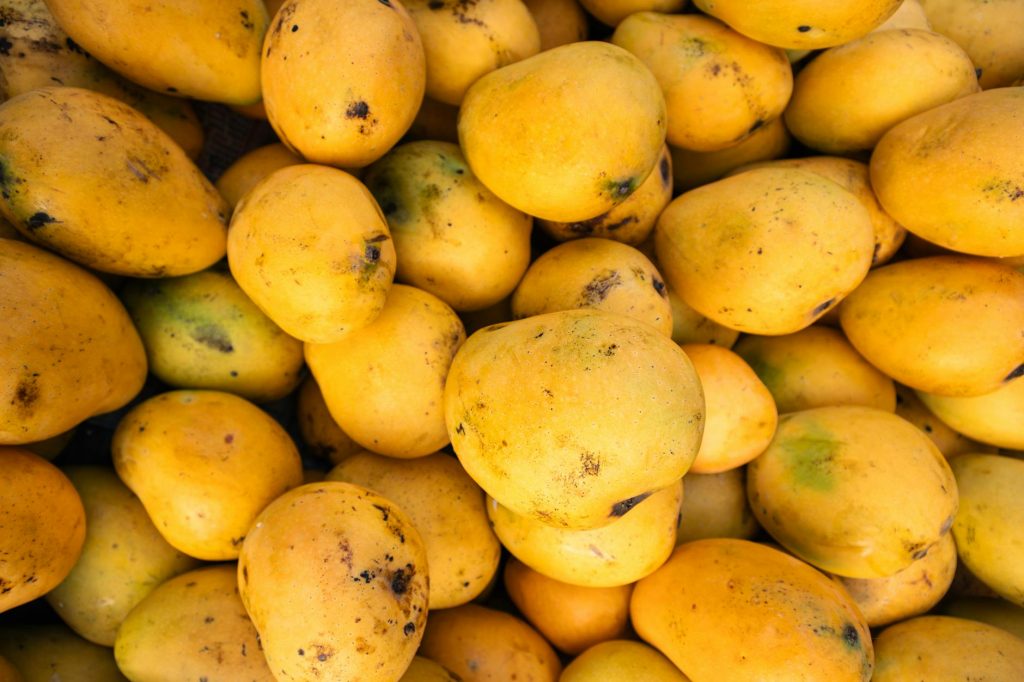
India’s mango lovers are facing a crushing blow as Japan has suddenly banned the import of our beloved fruit after enjoying a 20-year stint. The decision is the result of a shocking discovery by Japanese food officials who found high levels of pesticide residues in several Indian mango varieties.
The news has sent shockwaves across the country, with many in the mango trade reeling from the impact. India is the world’s largest producer of mangoes, and Japan was one of its key export markets. The ban comes at a time when Indian mango exports were expected to reach record highs this year.
So, what led to this sudden turn of events? It all began when Japanese food officials started conducting random checks on Indian mango shipments. They were horrified to find that many of the mangoes contained pesticide residues far exceeding the permissible limits.
The officials were particularly concerned about the levels of carbendazim, a fungicide that is widely used in Indian mango cultivation. Japan’s strict food safety regulations prohibit the import of fruits with even trace amounts of carbendazim.
Pesticide Use in Indian Mangoes: A Concerning Trend
While pesticide use is a widespread issue in Indian agriculture, the situation is particularly concerning in the mango sector. Many Indian farmers rely heavily on chemical pesticides to control pests and diseases in their mango crops. However, this approach can have devastating consequences for human health and the environment.
The use of carbendazim, in particular, has been linked to a range of health problems, including cancer and neurological disorders. The Indian government has been under pressure to crack down on pesticide use in agriculture, but so far, little has been done to address this issue.
Impact on Indian Mango Exporters
The ban on Indian mangoes has sent shockwaves through the country’s export community. Many Indian mango exporters had invested heavily in Japan, building relationships with local distributors and developing a strong market presence.
The sudden loss of this market will have a significant impact on Indian mango exporters, who will struggle to find new buyers for their fruit. The ban will also lead to significant financial losses for Indian farmers, who rely on exports to supplement their incomes.
What’s Next for Indian Mango Lovers?
While the news is certainly upsetting for Indian mango lovers, there is hope on the horizon. Indian authorities are working closely with the Japanese government to address the concerns around pesticide residues in mangoes.
Indian mango exporters are also exploring new markets, including the Middle East and Southeast Asia. While these regions offer significant potential, it will take time for Indian mangoes to establish themselves in these new markets.
In the meantime, Indian mango lovers will have to look elsewhere for their fix of the sweet and tangy fruit.