
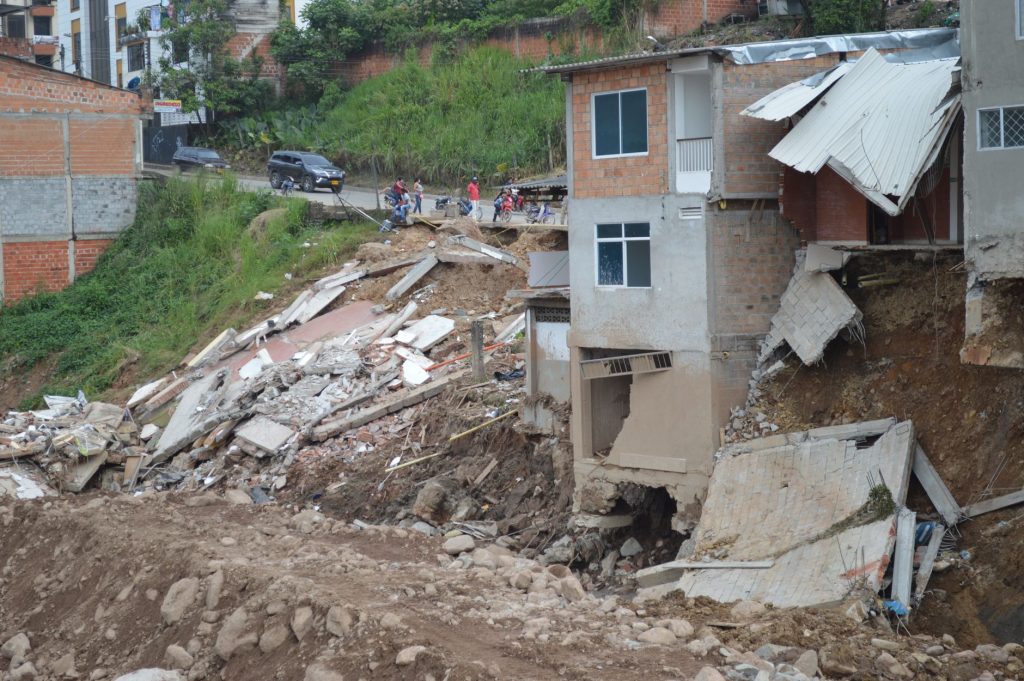
Last week’s devastating landslide in Kalladi, Waynad, Kerala has sent shockwaves across the nation, reminding us of the ever-looming threat of landslides in our country’s flood-prone regions. The landslide, which occurred on
The Kalladi landslide is a stark reminder of the dangers posed by landslides, which are becoming increasingly common in India. The country’s geography, with its steep mountain ranges and heavy rainfall, makes it prone to landslides, which can have devastating consequences.
Why Landslides Are a Growing Concern in India
Landslides are a growing concern in India due to a combination of factors. Climate change is leading to unpredictable and extreme weather patterns, resulting in heavy rainfall and flash floods. The country’s rapid urbanization and deforestation have also contributed to the increased risk of landslides, as the removal of natural vegetation and the construction of infrastructure have altered the natural terrain.
Moreover, the Indian government’s lack of preparedness and inadequate infrastructure have made it difficult to respond to landslides effectively. The Kalladi landslide is a case in point, where the rescue teams were unable to reach the affected areas due to the treacherous terrain and heavy rains.
What Can Be Done to Mitigate Landslide Risks?
So, what can be done to mitigate the risks of landslides in India? The government needs to take a proactive approach to addressing the issue. This includes investing in early warning systems, creating infrastructure that can withstand natural disasters, and implementing effective disaster management plans.
The government also needs to engage with local communities and involve them in the planning and implementation of disaster management strategies. This will help to build trust and ensure that the communities are prepared to respond to landslides effectively.
Furthermore, the government needs to prioritize sustainable development and environmental conservation. This includes promoting eco-friendly practices, protecting natural vegetation, and preserving the country’s natural resources.
The Kalladi landslide is a wake-up call for India, highlighting the need for urgent action to mitigate the risks of landslides. The government needs to take a comprehensive approach to addressing the issue, involving all stakeholders and prioritizing sustainable development and environmental conservation.
What Happens Next?
The government has promised to conduct a thorough investigation into the Kalladi landslide and to implement measures to prevent similar disasters in the future. The National Disaster Management Authority (NDMA) has also been tasked with reviewing the country’s disaster management plans and making recommendations for improvement.
The Kalladi landslide has left many questions unanswered, but it has also highlighted the need for urgent action to mitigate the risks of landslides in India. As we move forward, it is essential that we learn from the lessons of the past and work towards building a safer and more resilient India.