
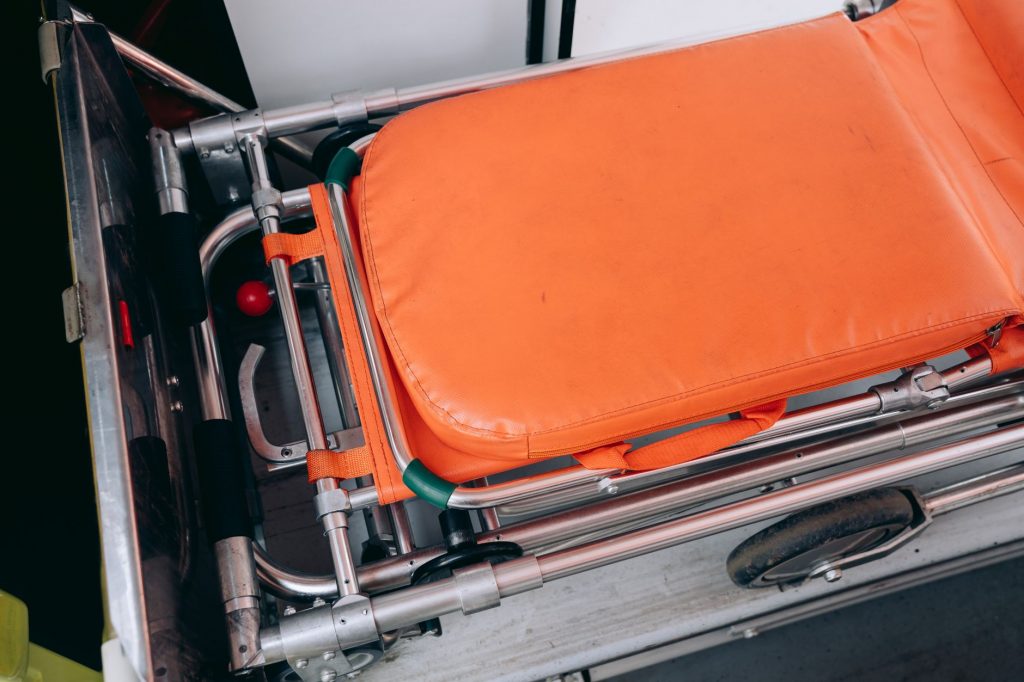
Imagine a bicycle, not for leisure, but for life-saving emergencies! Karachi has unveiled a novel ‘Cycle Ambulance,’ a two-wheeled medical unit that has, predictably, set social media ablaze with a mix of amusement and criticism. But beyond the viral clips and witty remarks, this innovative approach carries a crucial underlying mission.
Bridging the Gap in Emergencies
The sight of a paramedic pedalling a modified bicycle, equipped with essential medical supplies and even an oxygen cylinder, has certainly raised eyebrows. While some have mocked its unconventional appearance, the reality is that these cycle ambulances are designed to navigate the congested narrow streets of Karachi, areas often inaccessible to larger, traditional ambulances. This initiative aims to drastically cut down response times for critical patients in densely populated urban pockets where traffic jams are a daily menace.
More Than Just a Fad
The concept isn’t entirely new, with similar cycle-based medical units being used in other parts of the world. However, its introduction in a sprawling metropolis like Karachi highlights a pragmatic solution to a persistent problem: reaching patients swiftly when every second counts. The bicycles are outfitted to provide immediate first aid, stabilize patients, and initiate life support until a larger ambulance can arrive or transport the patient to a medical facility. This makes them invaluable for initial interventions.
What This Means for India
For us in India, where traffic congestion and reaching remote areas quickly remain significant challenges for emergency services, Karachi’s experiment offers a compelling case study. Could similar ‘cycle ambulances’ be a viable, cost-effective solution for our own crowded cities and villages? The idea underscores the need for flexible, adaptable emergency response systems that can overcome geographical and infrastructural hurdles. It prompts us to think outside the box and consider innovative ways to ensure timely medical care for all our citizens, regardless of their location or the prevailing traffic conditions.