
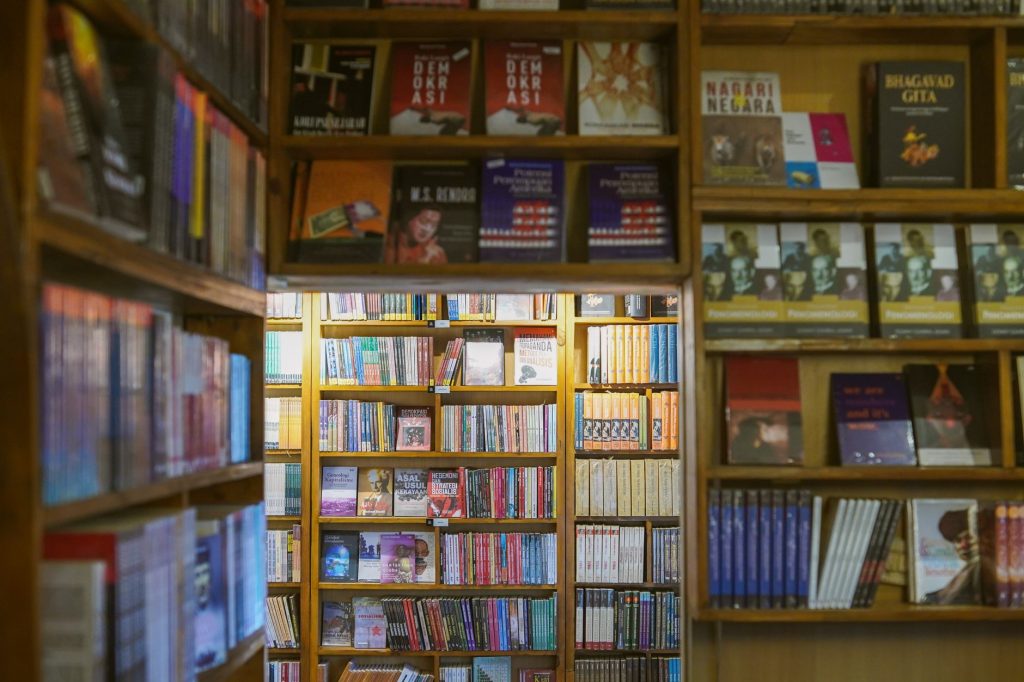
You’re walking down a street in any Indian city, and you see a bookstore with a vast collection of books on various subjects. You walk in, and the aroma of freshly printed pages hits you. You browse through the shelves, searching for a book that catches your eye. But imagine if the book you wanted to read was suddenly taken off the shelf, not because it was no longer in stock, but because someone deemed it ‘objectionable’. This is the reality in Indian-administered Kashmir, where a recent crackdown on books has sparked a heated debate.
The controversy began when the Jammu and Kashmir administration ordered the seizure of several books from a book fair in Srinagar. The books, which included titles on Kashmiri history, politics, and culture, were deemed to be ‘objectionable’ by the authorities. The move was met with widespread criticism, with many accusing the administration of censorship and trying to suppress the region’s history and culture.
What’s Behind the Book Ban?
The administration’s decision to ban these books has sparked a debate about the role of censorship in Indian-administered Kashmir. While some argue that the books contain content that is inflammatory or sensitive, others see it as an attempt to suppress the region’s unique identity and culture. The administration, on the other hand, claims that its intention is to protect the public from ‘objectionable’ content.
But what exactly constitutes ‘objectionable’ content in this context? Is it a book that critiques the Indian government’s policies in Kashmir, or one that explores the region’s complex history and cultural identity? The answer is unclear, and this ambiguity has led to widespread confusion and concern.
The Impact on Free Speech
At the heart of this controversy is the issue of free speech. The Indian constitution guarantees the right to free speech and expression, but in practice, this right is often curtailed in Indian-administered Kashmir. The book ban is just the latest example of this trend, where the government and authorities wield significant power to control what can be said and written.
This is particularly concerning in a region where the media and civil society are already under pressure. The book ban is seen as a attempt to silence dissenting voices and suppress critical thinking. It also sends a chilling message to writers, artists, and intellectuals in Kashmir, who may now be hesitant to express themselves for fear of retribution.
Expert Context
Dr. Sameen Ashraf, a leading scholar on Kashmiri history and culture, sees the book ban as part of a larger trend of censorship in Indian-administered Kashmir. ‘This is not an isolated incident,’ he says. ‘There have been numerous instances of censorship in the region, where books, films, and even music have been banned for being ‘objectionable’. This is a worrying trend, as it undermines the very fabric of our democracy.’
Dr. Ashraf believes that the book ban is also a reflection of the Indian government’s attempt to control the narrative in Kashmir. ‘The government is trying to impose its own narrative on the region, and this includes suppressing any content that challenges its version of history or politics.’ he says.
As the debate over the book ban continues, one thing is clear: the Indian-administered Kashmir needs to strike a balance between protecting public sensibilities and respecting the right to free speech. The government must ensure that its actions are not seen as an attempt to suppress dissenting voices, but rather as a genuine effort to promote a culture of tolerance and understanding.
In the end, the fate of these books and the debate surrounding them may seem like a small issue, but it speaks to a larger question about the kind of India we want to be. Do we want to be a country that values freedom of expression and open debate, or one that seeks to control what can be said and written? The answer to this question will shape the future of Indian-administered Kashmir and the country as a whole.