
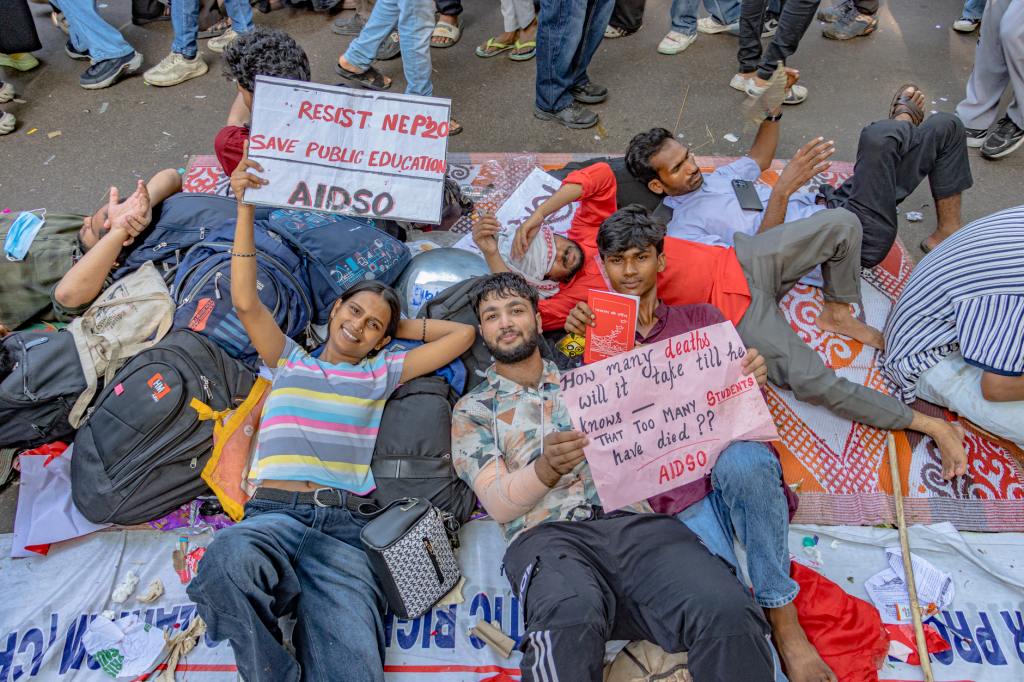
Remember those college days? The canteen gossip, the late-night study sessions, and maybe, just maybe, a bit of campus activism? For many of us, student politics was a mix of lively debates and occasional demonstrations. But in Kerala, it seems things have been dialled up a notch, pushing the boundaries of what we typically associate with youth movements on campus. Recent events have sparked a serious conversation about the direction student politics is taking in the state.
When College Becomes a Battleground
It’s not just about chalking slogans on walls anymore. The student political scene in Kerala is currently under the spotlight, with a series of protests and incidents raising eyebrows. We’re talking about disruptions that go beyond the usual, impacting not just the academic environment but also the wider public. This has led many to question whether the methods being employed are truly serving the interests of the students or if they’re becoming counterproductive. The intensity of these demonstrations, sometimes involving clashes and significant public attention, is definitely making people sit up and take notice.
Navigating the Fine Line
The core of the issue lies in how student organisations are navigating the space between legitimate protest and actions that cause widespread inconvenience or even harm. While the right to express dissent is crucial in a democracy, there’s a growing concern about the nature of these expressions. Are these protests truly driven by genuine student issues, or are they becoming pawns in larger political games? The lines seem to be blurring, and the impact on the educational fabric of Kerala is a significant point of discussion among parents, educators, and the general public.
Expert Views on the Trend
We spoke to Dr. Anjali Menon, a sociologist specializing in youth culture in South India. She points out, “Student politics has always been a vibrant part of Kerala’s social fabric. However, the current trend seems to be an amplification of existing political rivalries, sometimes overshadowing genuine student concerns. The challenge is to channel this youthful energy into constructive dialogue and problem-solving rather than resorting to methods that alienate the public and disrupt the learning process.” This perspective highlights the need for introspection within student bodies and a re-evaluation of their strategies.
The ongoing debate in Kerala is a crucial one for all of India. It forces us to think about how young people engage with the political landscape and what role student organisations should play. The hope is that these powerful youth movements can find a way to express their voices effectively and responsibly, ensuring that their energy contributes positively to society and their own academic futures, rather than becoming a source of concern.