
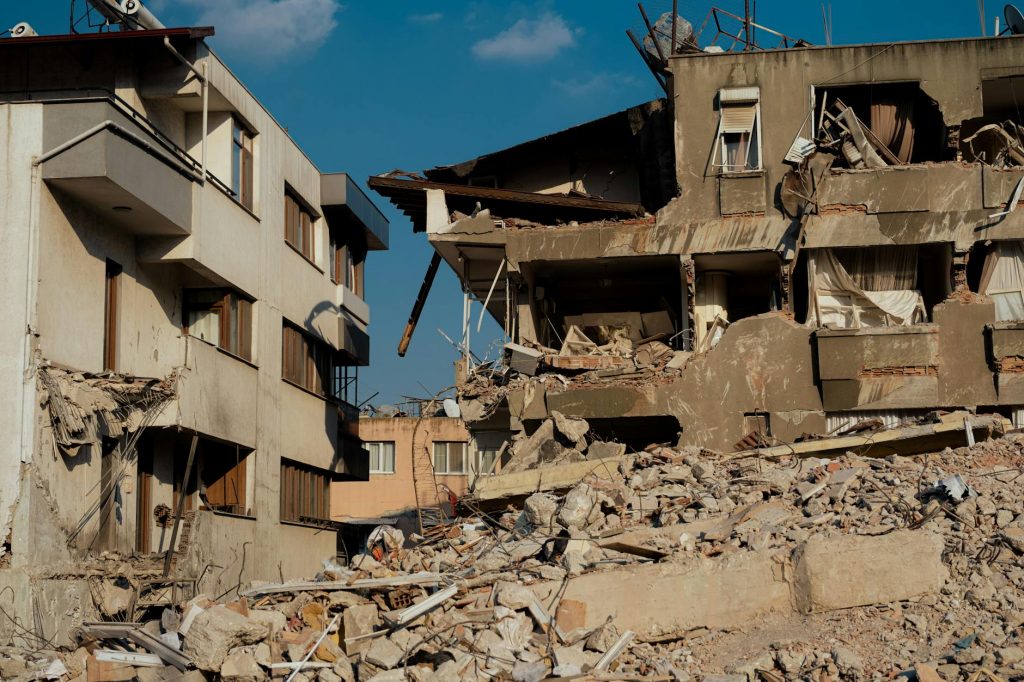
A strong earthquake measuring over 5 magnitude struck along the India-Bangladesh border on Wednesday, sending tremors through Kolkata and surrounding areas. Residents felt the jolt clearly, with many rushing out of buildings as a precaution. No major damage or casualties have been reported so far, but the quake has raised fresh concerns about the city’s vulnerability to seismic activity.
Why Kolkata Sits on Shaky Ground
Kolkata’s earthquake risk isn’t new—it’s rooted in the city’s geology. The metropolis lies in a region where multiple tectonic plates and fault lines create constant pressure beneath the surface. The India-Bangladesh border zone, where this latest quake originated, is particularly active and has generated significant seismic events in the past.
The Ganges Delta, on which Kolkata stands, adds another layer of concern. The soil here is loose and compressible, which means earthquake waves travel through it differently than through harder rock. This amplifies shaking and increases damage potential—a phenomenon called soil amplification. When tremors hit, buildings can sway more dramatically than they would in areas with solid bedrock.
Infrastructure age is another worry. Many older structures in Kolkata weren’t built to modern seismic standards. They lack the flexibility and reinforcement needed to withstand strong quakes safely. As the city has grown rapidly over decades, building codes have improved, but plenty of vulnerable structures remain.
What Experts Are Saying
Seismologists have long flagged Kolkata as a zone requiring serious earthquake preparedness. Historical records show the region has experienced damaging quakes before, and scientists warn it’s not a matter of if another major one hits, but when.
The challenge is that moderate quakes—like the one that hit this week—can reveal structural weaknesses in buildings. They’re essentially nature’s stress tests, showing which structures might fail during a truly severe earthquake.
Experts emphasize that this recent tremor should serve as a reality check for residents and authorities alike. Preparedness isn’t optional in Kolkata—it’s essential.
What Happens Now
The state government and municipal authorities need to accelerate retrofitting programmes for older buildings in high-risk areas. Schools and hospitals especially should be prioritized, as they serve vulnerable populations during emergencies.
For residents, the message is simple: keep emergency kits ready, know how to drop-cover-hold during a quake, and stay informed about evacuation routes. Kolkata’s seismic risk is real and present—awareness and preparation are the best defenses available.