
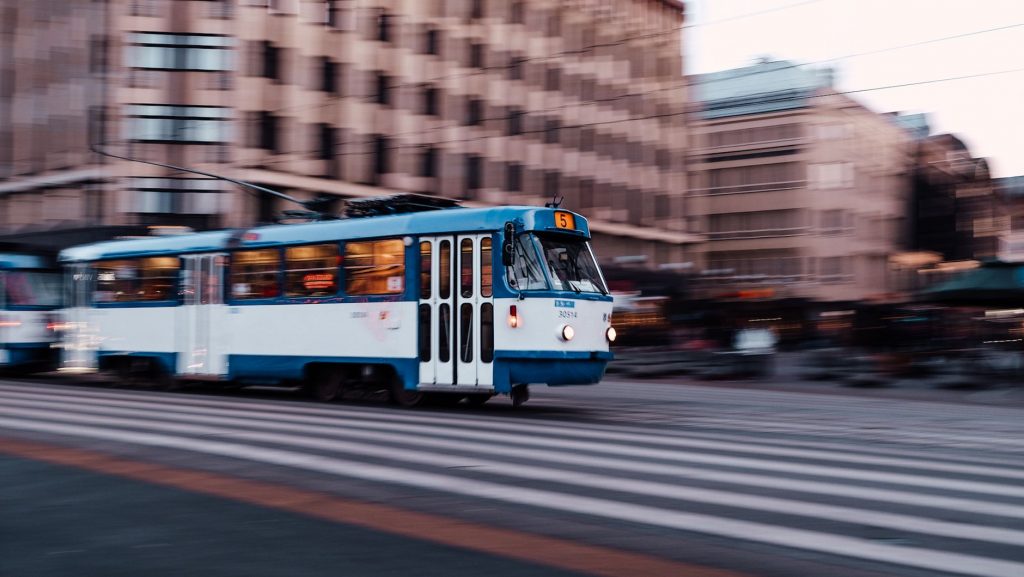
As the city of Kolkata grapples with infrastructure development, a debate is brewing over the revival of its iconic tram network. Are trams a relic of the past, or do they hold the key to a more sustainable and accessible future?
The answer lies in the city’s history and the benefits they offer. Kolkata’s trams have been a part of the city’s landscape since 1867, with the first tram line opening in 1873. The network expanded rapidly and by the 1950s, it was one of the largest in the world, with over 200 kilometers of track. But as the city developed and car culture took over, the tram network began to decline, with many lines being phased out by the 1960s.
A Green Solution in the City
Today, Kolkata is facing a severe air quality crisis, with pollution levels consistently exceeding safety limits. The city’s traffic congestion is also a major concern, with commuters spending hours stuck in traffic every day. In this context, trams emerge as a viable solution. Not only do they provide a pollution-free mode of transportation but also offer a relatively affordable and efficient way to navigate the city’s congested roads.
The benefits of trams extend beyond just commuters. They can also help reduce the city’s carbon footprint, promote public transportation, and preserve the city’s heritage. Trams have been a defining feature of Kolkata’s skyline for over a century, and their revival would not only enhance the city’s aesthetic appeal but also serve as a symbol of its commitment to sustainability.
Challenges and Opportunities
However, there are also challenges that need to be addressed before Kolkata’s trams can be revived. The existing infrastructure would need to be upgraded, and new lines would have to be built to cater to the city’s growing population. Additionally, the tram network would need to be integrated with other modes of public transportation, such as buses and metro lines, to create a seamless travel experience for commuters.
Despite these challenges, there are opportunities to be seized. The Kolkata Municipal Corporation (KMC) has already initiated a feasibility study for the revival of the tram network, with a focus on modernizing the existing infrastructure and improving passenger amenities. Private companies are also showing interest in partnering with the KMC to develop the tram network.
As the city of Kolkata moves forward with its plans to revive its tram network, it is clear that the benefits of this decision far outweigh the costs. Trams are not just a nostalgic reminder of the past but a viable solution for the city’s present and future. By embracing this green and efficient mode of transportation, Kolkata can reduce its carbon footprint, improve air quality, and provide its citizens with a better quality of life.
The Road Ahead
The revival of Kolkata’s tram network is a complex and ambitious project that would require careful planning, coordination, and execution. But with the right vision and commitment, the city can achieve its goals and create a more sustainable, accessible, and livable environment for its citizens.
As the city of Kolkata embarks on this exciting journey, it is essential to involve all stakeholders, including citizens, businesses, and government agencies, in the decision-making process. By doing so, the city can ensure that the tram network is developed in a way that meets the needs and aspirations of all its citizens.