
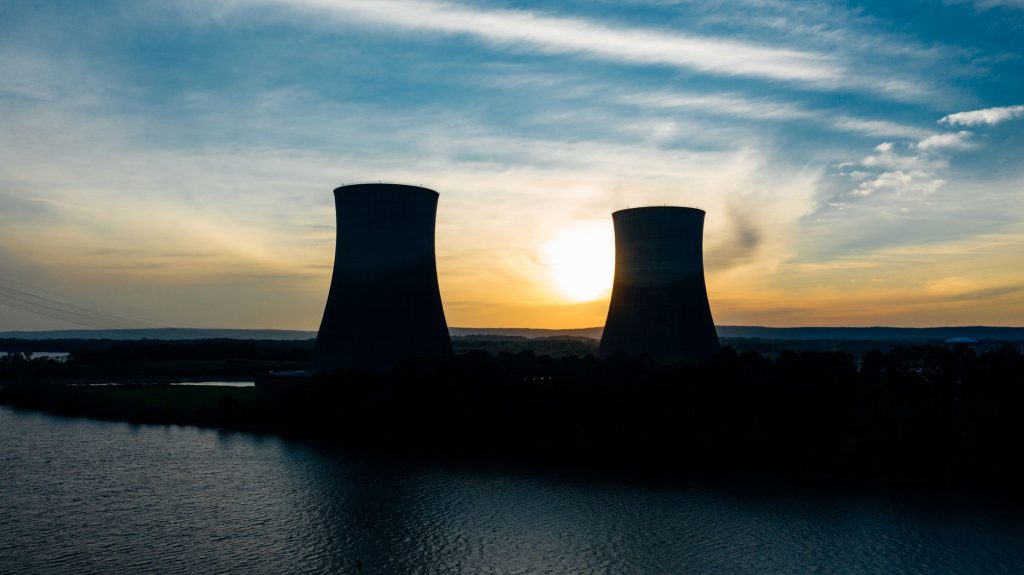
Are India’s nuclear facilities vulnerable to cyber threats? A recent data breach at the Kudankulam Nuclear Power Plant (KNPP) has raised serious concerns about the country’s nuclear safety.
The KNPP, located in Tamil Nadu, is India’s largest nuclear power plant, generating over 2,000 megawatts of electricity. In a shocking revelation, a Reuters investigation has exposed sensitive files relating to the plant’s operations, maintenance, and emergency procedures.
Data Breach: A National Security Concern
The leaked files, which include documents, emails, and technical drawings, reveal a disturbing lack of cybersecurity measures at the KNPP. The breach has exposed the personal data of employees, contractors, and even visitors to the plant.
Experts warn that the compromised data could be used by malicious actors to gain unauthorized access to the plant’s systems, potentially compromising the safety of the entire facility.
The KNPP’s operator, Nuclear Power Corporation of India Limited (NPCIL), has acknowledged the data breach and assured that an investigation is underway to identify the source and extent of the compromise.
However, critics say that the incident highlights the need for more robust cybersecurity measures at India’s nuclear facilities. ‘This is a wake-up call for the government to take nuclear cyber security seriously,’ said Anil Bhatia, a nuclear security expert.
KNPP: A Critical Facility
The Kudankulam Nuclear Power Plant is a critical facility in India’s energy mix, accounting for over 10% of the country’s total nuclear power generation. The plant has a capacity to generate 6,900 megawatts of electricity, with two more units under construction.
The KNPP has been operational since 2013, and its reactors are designed to provide a reliable source of electricity to the southern states of Tamil Nadu, Kerala, and Karnataka. However, the plant’s safety record has been marred by several incidents, including a major radiation leak in 2017.
The recent data breach has raised concerns about the plant’s ability to operate safely and efficiently. ‘The KNPP is a critical facility, and any compromise of its systems could have far-reaching consequences,’ said a senior government official.
The incident has also sparked concerns about the lack of transparency and accountability in India’s nuclear sector. ‘The government needs to be more transparent about the risks and challenges associated with nuclear energy,’ said a nuclear activist.
What’s Next?
The data breach at the KNPP has sent shockwaves across the country, with many calling for greater accountability and transparency in the nuclear sector. The government has promised to take swift action to address the concerns and prevent similar incidents in the future.
However, experts warn that more needs to be done to ensure the safety and security of India’s nuclear facilities. ‘This is a wake-up call for the government to take nuclear cyber security seriously,’ said Anil Bhatia, a nuclear security expert.
As India continues to rely on nuclear energy to meet its growing electricity needs, the government must prioritize the safety and security of its facilities. The recent data breach at the KNPP is a stark reminder of the risks and challenges associated with nuclear energy.