
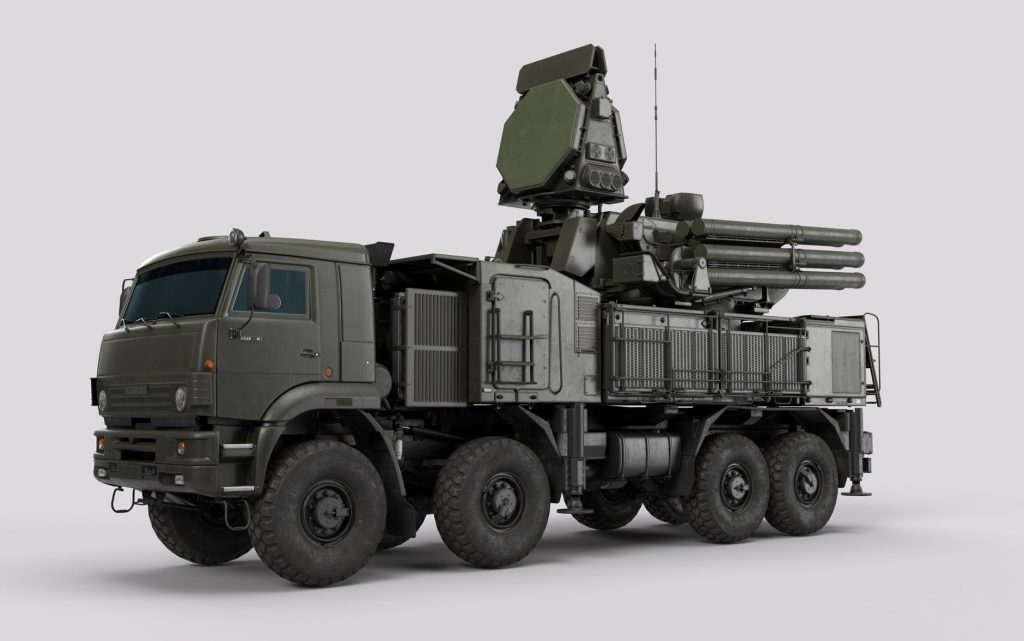
Kyiv woke up to a nightmare this morning as a devastating Russian missile barrage claimed at least 17 lives, leaving many more injured. Officials are painting a grim picture: Ukraine is running critically low on the interceptor missiles needed to stop these deadly attacks. This isn’t just a loss of life; it’s a stark indicator of the rapidly dwindling resources Ukraine possesses to defend its cities.
Ukraine’s Vulnerability Exposed
The relentless assault on the Ukrainian capital underscores a critical vulnerability. For weeks, Western allies have been scrambling to replenish Ukraine’s dwindling stocks of air defense munitions. While promises have been made, the reality on the ground is that Kyiv’s defenses are stretched thin, making them increasingly susceptible to sophisticated Russian strikes. This attack appears to have exploited those gaps, with devastating consequences for civilians.
A Growing Crisis
The lack of sufficient interceptor missiles is a bottleneck that directly impacts Ukraine’s ability to protect its infrastructure and, more importantly, its people. Each successful strike by Russia means more casualties and more damage to vital facilities. The international community’s commitment to supplying these crucial weapons is being put to the ultimate test, and the urgency cannot be overstated.
What This Means for India
While the conflict is thousands of miles away, this escalating crisis in Ukraine has ripple effects that can be felt even in India. The global supply chains for defense equipment are already strained. Any further escalation or prolonged conflict could impact the availability and cost of military hardware worldwide. Furthermore, the ongoing geopolitical instability fueled by such events can affect global energy prices and trade, areas of significant interest to India’s economy. India, as a major player in global politics, continues to advocate for peace and de-escalation, understanding that such conflicts disrupt the delicate balance of international relations and trade.