
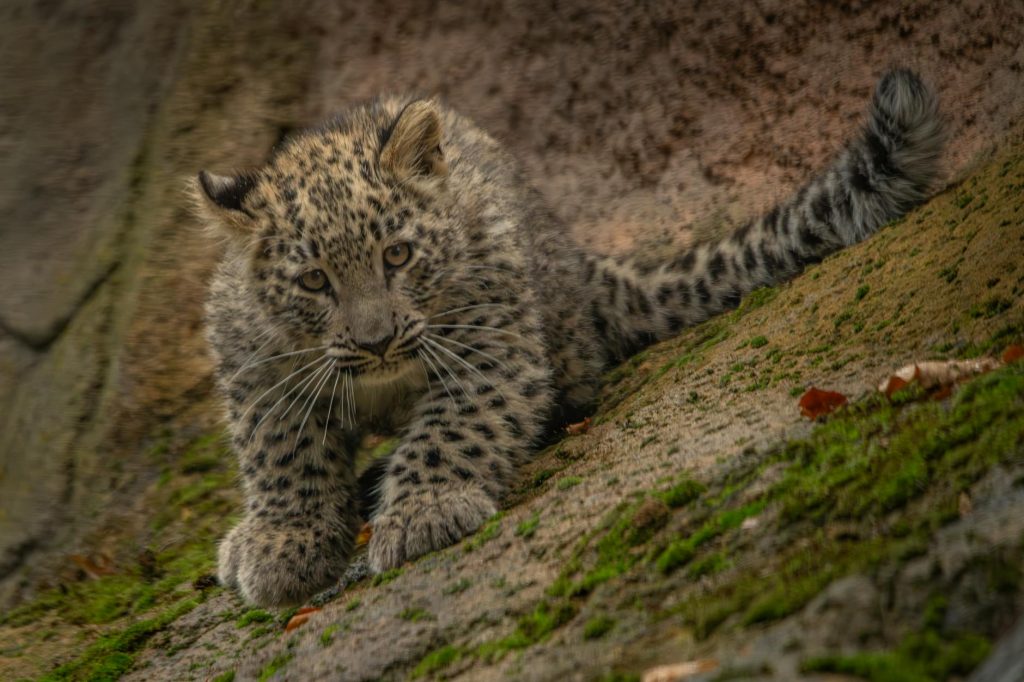
A leopard walked into a senior Rajasthan minister’s residence in Jaipur, sending shockwaves through the city and triggering an urgent search operation. The big cat entered the house premises, prompting immediate action from wildlife authorities who are now combing the area to locate and safely capture the animal.
This isn’t your typical wildlife sighting—it happened right in the heart of Jaipur, one of India’s major cities. A minister’s home, typically located in secure residential areas, became the unexpected encounter point. The incident highlights how wildlife and human settlements are increasingly overlapping, even in urban centers.
When Wild Animals Enter Our Cities
Leopards roaming into populated areas isn’t entirely new in Rajasthan. As forests shrink and urban sprawl expands, these animals often wander into human habitats searching for food. They’re naturally curious and follow prey animals that have also moved closer to cities.
The good news? Leopards typically avoid confrontation with humans unless they feel threatened. In most cases, they either move on their own or respond well to rescue operations. Wildlife teams have years of experience handling such situations.
Authorities activated their standard protocol immediately. They cordoned off the area, evacuated nearby residents if needed, and deployed trained teams with tranquilizing equipment. These operations usually take several hours to complete safely.
What This Means for City Dwellers
If you live in or near Jaipur or any expanding city in Rajasthan, this incident is worth noting. It’s a reminder that wildlife encounters can happen anywhere, regardless of how developed an area seems.
Here’s what experts recommend: Keep doors and windows secured, especially during dawn and dusk when leopards are most active. Don’t leave pets unattended outside. If you spot a big cat, don’t panic—stay indoors, alert authorities, and give the animal space to retreat naturally.
The real issue goes deeper than one incident. As cities expand into forest areas, we’re shrinking the natural habitats of leopards and other wildlife. They have nowhere else to go. This creates pressure on both humans and animals.
Rajasthan has seen increasing human-wildlife conflicts over the past decade. While leopards rarely attack humans unprovoked, the frequency of such encounters is rising. This points to a larger problem: we need better urban planning that respects wildlife corridors and doesn’t completely destroy animal habitats.
The search operation underway will likely end with the leopard being safely captured and relocated to a safer area. But unless we address the root cause—unchecked urban expansion into wildlife zones—we’ll keep seeing these incidents. Moving forward, cities like Jaipur need stricter regulations on construction near forest boundaries and dedicated wildlife corridors to coexist peacefully with nature.