
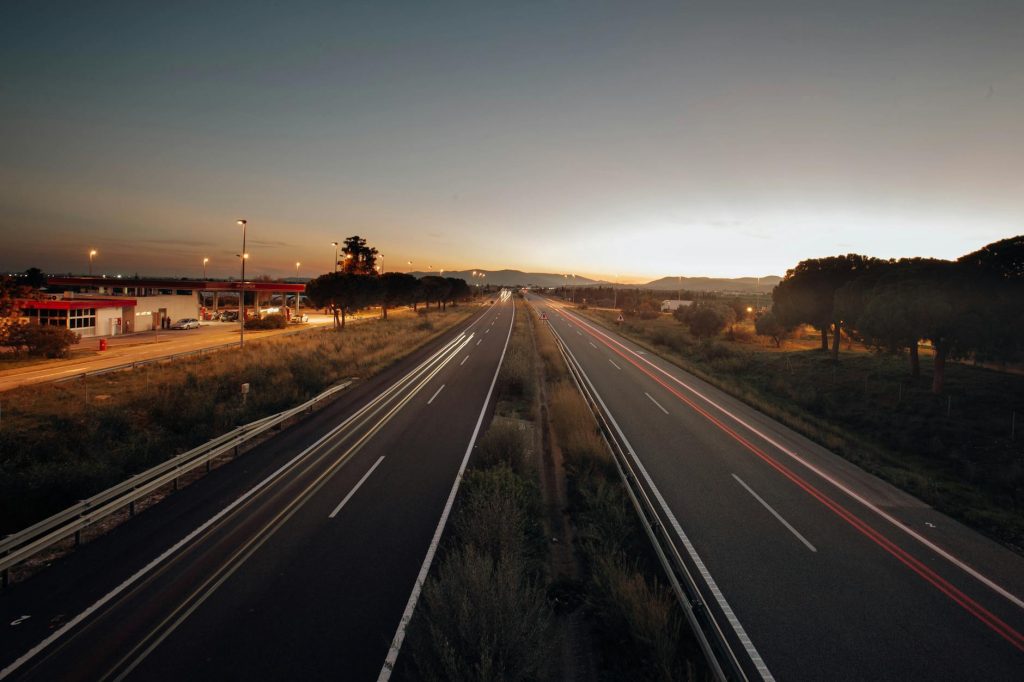
Picture this: You’re stuck in traffic heading from Lucknow to Bhopal, watching the clock tick away. What used to mean 12-14 grueling hours on the road is about to change dramatically. A new expressway connecting these two major cities is set to cut travel time nearly in half.
The New Route Changes Everything
The expressway will let you travel from Lucknow to Bhopal in just 7 hours instead of nearly a full day. That’s huge for business travelers, families visiting relatives, and anyone tired of spending their entire life commuting between these states.
The route bypasses congested city roads and smaller towns, taking a direct path through upgraded highways. You’ll spend less time honking in traffic and more time actually reaching your destination.
This isn’t just about saving time. The new expressway means fewer accidents too. Faster, smoother highways are safer highways. It also cuts fuel costs considerably—fewer hours driving means less money at the petrol pump.
Why This Matters for Central India
Lucknow and Bhopal are both economic powerhouses in their own right. Better connectivity between them opens doors for business, tourism, and trade. Companies can expand operations more easily when moving goods and people between cities becomes faster.
The construction also creates jobs—from building the expressway itself to the supporting infrastructure that follows. Local economies along the route will see new opportunities as rest stops, food joints, and service centers pop up.
This is part of a bigger trend. India has been aggressively upgrading interstate highways to make travel smoother. The government recognizes that good roads mean economic growth. When people and products move faster, entire regions develop faster.
Travelers will notice the difference immediately. No more planning overnight stops. No more arriving exhausted from fighting traffic. Families can actually spend quality time together instead of arguing about who gets the window seat for 12 hours.
The expressway also reduces the environmental footprint. Smoother, faster travel means vehicles run more efficiently. Less stop-and-start driving means lower emissions overall.
Road safety experts point out that modern expressways come with better facilities too—proper emergency services, regular patrol units, and clearer signage. All of this adds up to a much more pleasant experience for everyone using the route.
As more of these expressways connect Indian cities, interstate travel is getting a complete makeover. The days of treating a 400-kilometer journey as a major expedition are ending. What’s exciting is what comes next—as connectivity improves, entire regions unlock their economic potential.