
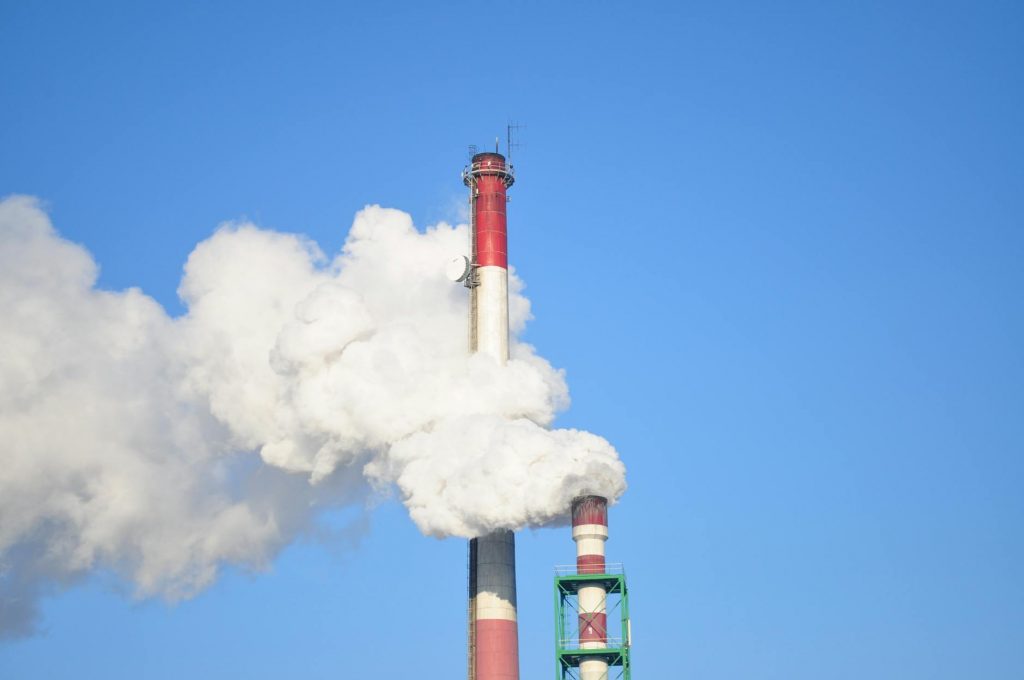
Even after rainfall swept through Lucknow on January 19, the city’s air quality index remained in the ‘very poor’ category, frustrating residents who hoped the moisture would clear the toxic haze that has blanketed the region for weeks.
The rain, which residents expected to scrub pollutants from the air, failed to bring the relief many were hoping for. Air quality monitoring stations across the city continued showing readings in the unhealthy range, meaning vulnerable groups like children, elderly people, and those with respiratory issues face continued health risks.
Why Rain Isn’t Solving the Problem
A single bout of rainfall rarely fixes deep-rooted air pollution issues. Lucknow’s poor air quality stems from multiple sources—vehicle emissions, industrial pollution, construction dust, and agricultural burning in surrounding states all contribute to the murky air.
While rain does help settle some particulate matter temporarily, it doesn’t address the underlying sources of pollution. The city needs sustained action on emissions, stricter traffic management, and better coordination with neighboring regions to see real improvement.
Winter months typically worsen air quality across North India. Cold temperatures trap pollutants closer to the ground, creating a stagnant layer of contaminated air—meteorologists call this temperature inversion. Even rain struggles against this natural phenomenon.
What This Means for Lucknow’s Residents
People in Lucknow should continue taking precautions. Wearing N95 masks outdoors remains advisable, especially for morning and evening commutes when pollution peaks. Those with asthma or heart conditions should avoid prolonged outdoor activities.
Schools and offices may implement online working policies if the situation worsens. The local administration typically issues health advisories when AQI readings cross certain thresholds, so residents should stay updated through official channels.
Beyond individual precautions, the persistent poor air quality raises questions about the effectiveness of existing pollution control measures. Despite various government initiatives over the years, Lucknow—like many other North Indian cities—continues struggling with air pollution.
The situation highlights that quick fixes won’t work. The city needs comprehensive strategies: stricter emission standards for industries, expansion of public transportation to reduce vehicles on roads, and better enforcement of anti-pollution regulations. Neighboring states also need to coordinate on agricultural burning practices.
Residents should continue monitoring daily AQI updates and adjust their routines accordingly. The coming weeks will be crucial—sustained rainfall combined with stronger winds could finally push the pollution levels down, but there’s no guarantee. Until then, Lucknow’s residents must remain cautious and hope that long-term policy changes eventually improve their city’s air quality.