
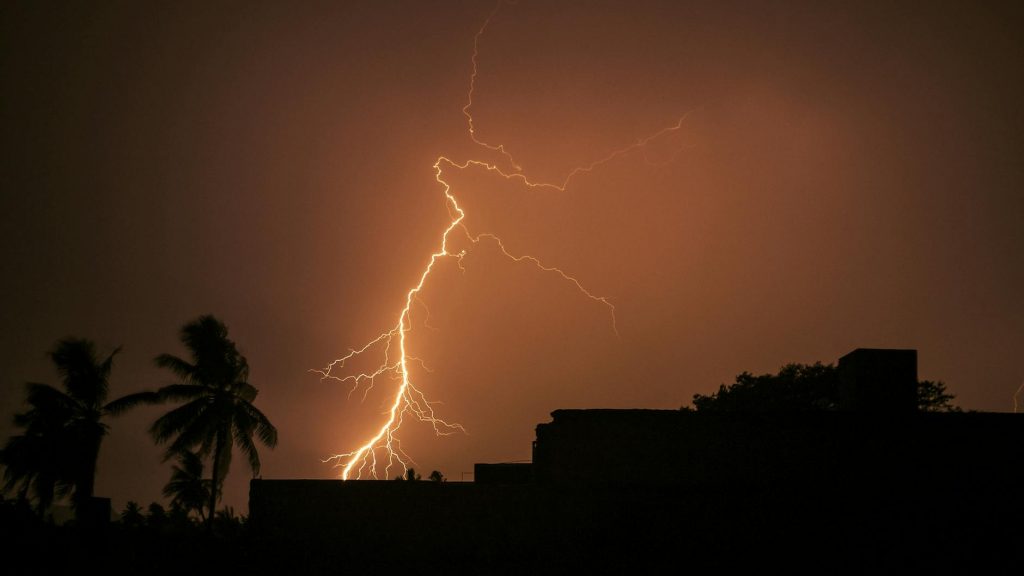
Madhya Pradesh is facing a tricky weather spell—scorching heat during the day, but thunderstorms could strike without warning. Cities like Bhopal and Indore are on alert as meteorologists warn of severe weather shifts over the coming days.
The temperature has been climbing steadily across the state, with many areas recording uncomfortable levels of heat. Residents have been dealing with the usual summer grind—power cuts, water shortages, and sticky afternoons. But now, the weather service says the script could change dramatically.
Why the sudden thunderstorm warning?
Weather patterns show moisture moving into the region while heat persists at ground level. This combination is a classic recipe for thunderstorms. When warm air meets moisture in the atmosphere, it becomes unstable—and that’s when storms develop quickly and sometimes intensely.
Bhopal, Indore, Gwalior, and surrounding districts should expect sudden downpours accompanied by strong winds. These storms could bring lightning strikes and temporary flooding in vulnerable areas. The unpredictability is what makes this dangerous—one moment it’s clear skies, the next you’re caught in heavy rain.
What you need to do right now
If you’re in MP, keep an eye on local weather updates. Avoid outdoor activities when storms develop, especially during afternoon and evening hours when conditions are most unstable. Secure loose items around your home—strong winds can cause damage.
For commuters, check traffic conditions before heading out. Waterlogging on roads is common during sudden heavy rains. If you’re driving, slow down and avoid flooded areas—you can’t judge water depth from your car.
Power disruptions are likely in areas hit by storms. Charge your phones and keep torches handy. Also, if you spot any damaged power lines, report them immediately to authorities rather than approaching them.
Farmers in the region should also be cautious. While rain helps crops, hail and strong winds can destroy standing crops. Those with vulnerable fields might want to consider protective measures if possible.
The good news? These storms will bring some relief from the heat. Temperatures should drop once the system passes through. However, the relief might be temporary—summer isn’t done with MP yet.
This weather pattern highlights why staying alert during the pre-monsoon season matters. Keep your emergency contacts handy, and don’t ignore weather warnings. The next 48-72 hours will be critical, so stay tuned to official updates from the India Meteorological Department.