
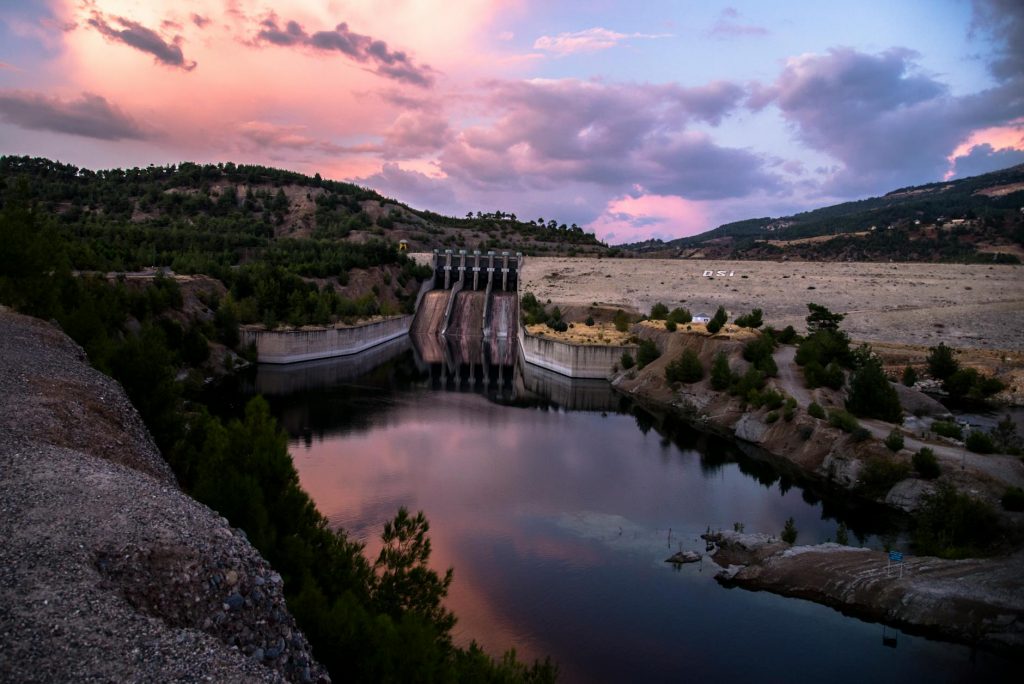
Is Madhya Pradesh heading towards a flood situation? That’s the question authorities and residents are asking after the state received over double its usual rainfall in recent weeks, forcing officials to open multiple dam gates in and around Bhopal.
The answer, for now, is cautious vigilance. While the monsoon bounty has filled reservoirs faster than expected, dam operators and disaster management teams are on high alert to prevent overflow disasters.
When Rain Becomes Too Much of a Good Thing
Madhya Pradesh has recorded 118% more rainfall than its seasonal average—a figure that sounds impressive until you realize it means the state is drowning in excess water. In a region that typically struggles during dry spells, this sudden abundance is creating new headaches for administrators.
The heavy downpour has swollen major reservoirs across the state, particularly those supplying Bhopal and surrounding districts. Authorities have begun releasing water from dams like Bargi, Tawa, and others to maintain safe water levels and prevent embankment failures.
District officials report that the gates at several dams have been opened at regular intervals over the past week. This controlled release is actually textbook disaster management—better to let water out gradually than risk an uncontrolled breach.
What This Means for People on the Ground
For farmers, this is a mixed blessing. Excess water can destroy crops just as easily as drought can. Several villages downstream of dams have been put on alert, and some low-lying areas have already experienced minor flooding of agricultural fields.
Water supply in Bhopal, which depends heavily on these reservoirs, should actually improve. The city has faced water shortages in recent years, so this surplus could ease pressure on municipal supplies through the dry season ahead.
However, the state’s drainage infrastructure isn’t built for this much water at once. Waterlogging in urban areas, especially in older neighborhoods, has become a real concern. The municipal corporation in Bhopal has deployed additional pumping units to manage the situation.
Authorities warn that the monsoon season still has weeks to run, and rainfall patterns remain unpredictable. Climate change has made extreme weather events—both floods and droughts—increasingly common across central India.
The state government has advised people living near dam outflows to stay informed about water release schedules. Local administration continues monitoring weather forecasts closely to decide whether to open more gates or restrict further releases.
Whether this exceptional rainfall becomes a disaster or a blessing depends entirely on how well authorities manage the next few weeks of the monsoon season.