
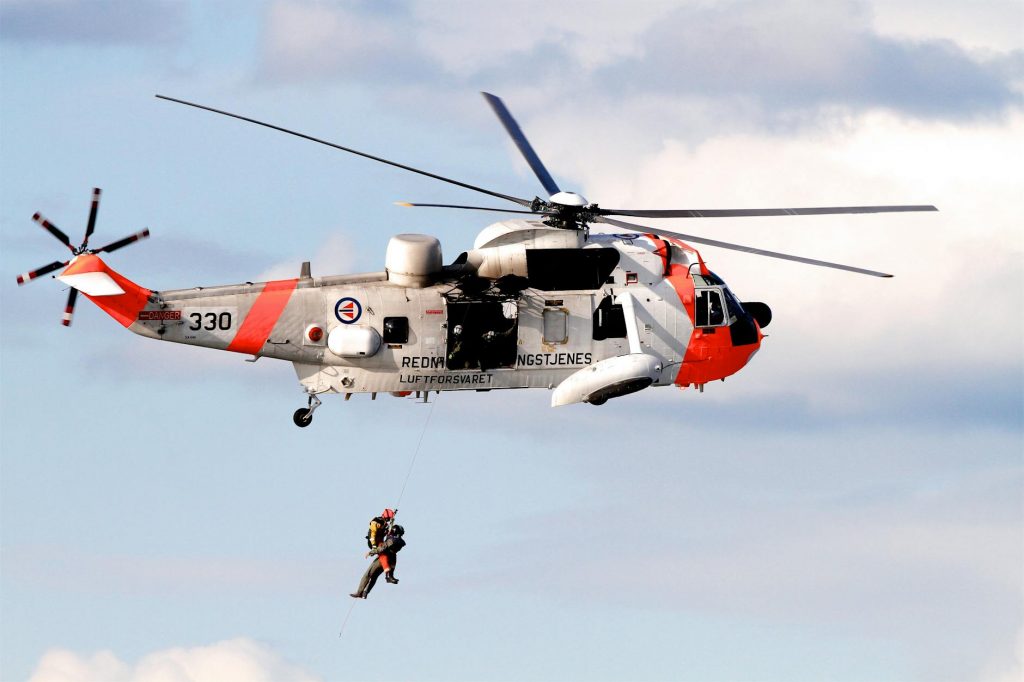
Madhya Pradesh has just rolled out a game-changing helicopter service that’s set to transform how Indians explore the state’s most iconic destinations. The new initiative connects Bhopal with Pachmarhi, Kanha National Park, and other premium tourist sites, cutting travel time from hours to minutes.
This is a significant move for a state that’s been trying hard to boost its tourism sector. Instead of spending an entire day on roads, visitors can now helicopter-hop between attractions, making it genuinely feasible to see multiple destinations in a single trip.
What This Service Actually Changes
The helicopter network fundamentally reshapes the tourist experience in Madhya Pradesh. Previously, reaching Pachmarhi from Bhopal meant a grueling 4-5 hour drive through winding roads. Now, it’s a 45-minute aerial ride with views of the state’s landscape thrown in.
Kanha National Park, one of India’s premier tiger reserves, suddenly becomes accessible to time-strapped travelers. Families and corporate groups can now plan meaningful visits without sacrificing days to commuting.
The service covers multiple routes, creating a practical circuit for tourists who want to experience Madhya Pradesh’s cultural and natural riches without the exhaustion factor. This addresses a real pain point that’s kept many potential visitors away.
Why It Matters for Indian Travelers
For middle-class Indians accustomed to budget travel, helicopter tourism might sound like a luxury. But it’s actually a smart investment if you value your time. Professionals taking long weekends, families planning school holidays, and retired couples finally have an option that doesn’t eat up vacation days in transit.
The pricing structure will likely settle somewhere between premium and aspirational—expensive, yes, but not unreachable for the Indian upper-middle class that already takes international holidays.
This also signals something important: Indian states are finally competing seriously on experience quality, not just budget offerings. Madhya Pradesh is essentially saying it understands what modern tourists want—convenience, comfort, and the ability to pack more into less time.
The move creates ripple effects too. Local hotels near these destinations will see increased bookings. Restaurants, guides, and small businesses tied to tourism get a boost. It’s not just about helicopter rides; it’s economic stimulus disguised as travel infrastructure.
Pachmarhi’s waterfalls, Kanha’s wildlife, and Bhopal’s historical monuments have always been world-class attractions. They just suffered from poor accessibility. Now, that barrier crumbles.
Watch this space closely. If the helicopter service gains traction, expect other Indian states to announce similar initiatives. Rajasthan, Uttarakhand, and Goa will be taking notes. This could genuinely reshape how Indians holiday within India over the next few years.