
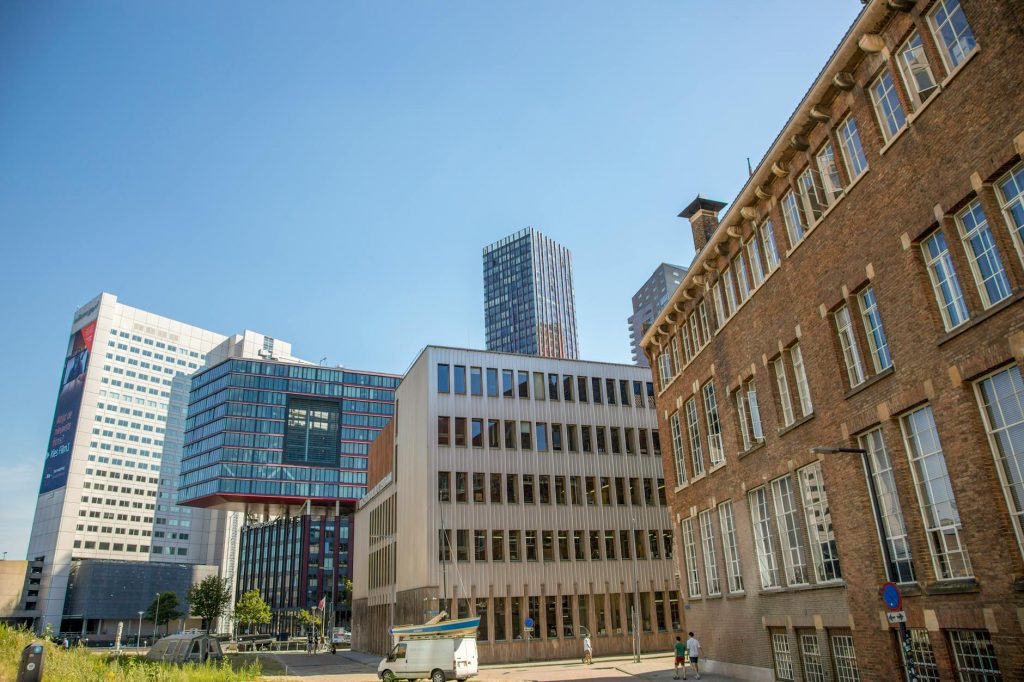
Maharashtra’s government has approved a new land policy framework that will pave the way for developing what officials are calling the ‘Third Mumbai’ — a massive new business and commercial center designed to decongest the existing financial capital.
The move came after months of deliberation between state agencies and urban planners. The policy addresses critical issues around land acquisition, zoning regulations, and infrastructure development that had previously stalled similar mega-projects in the state.
Why This Matters for Mumbai and Beyond
Mumbai is already bursting at the seams. Real estate prices have skyrocketed, office spaces are scarce, and traffic congestion has become unbearable for millions of commuters. A second major business hub could finally provide relief to the city’s overcrowded commercial landscape.
For investors and companies, this opens up opportunities to establish operations in a greenfield location with modern infrastructure, lower costs, and planned layouts. Several multinational firms have already expressed interest in relocating parts of their operations outside central Mumbai if viable alternatives emerge.
The new policy also matters for the regional economy. It could create hundreds of thousands of jobs in construction, services, and various industries. States like Haryana and Gujarat have successfully used similar strategies to attract business away from older metros — Maharashtra is now attempting the same.
The Practical Steps Ahead
The approved policy framework now needs to move into implementation mode. The government will need to identify specific land parcels, conduct environmental impact assessments, and begin negotiations with landowners. This phase typically takes several quarters to complete.
Infrastructure development will be critical. The new business hub will require connectivity to airports, highways, and eventually the metro network. The state has indicated that it will coordinate with relevant agencies to ensure these transportation links are prioritized.
One important aspect is how the government will balance development with protecting agricultural land. Maharashtra still has significant farming communities in areas surrounding potential project sites, so managing these concerns will be essential for smooth implementation.
The timeline for actual construction and operational readiness isn’t yet clear, but officials have suggested that the first phase could begin within the next 18-24 months. Real estate analysts expect announcements about specific locations and anchor projects within the coming months.
For Mumbaikars and investors watching the city’s future, this policy clearance signals that something significant is finally moving. Whether the ‘Third Mumbai’ can truly emerge as a viable alternative to the congested original depends entirely on how quickly the government can translate this policy into tangible infrastructure and business opportunities on the ground.