
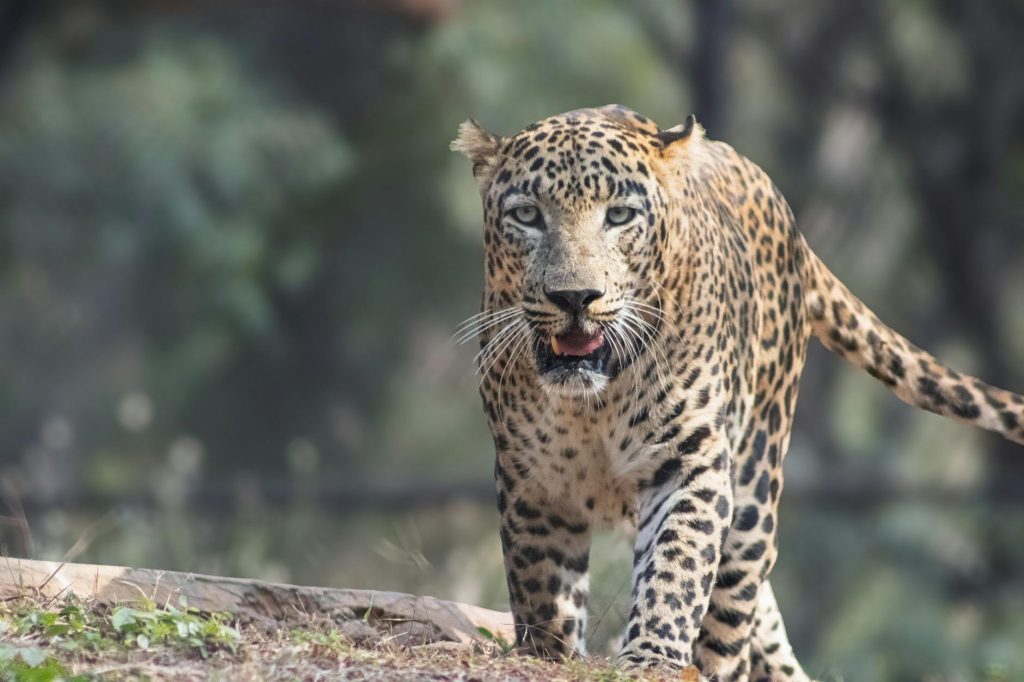
Here’s something that should honestly worry you: wildlife videos going massively viral on social media might not actually be real. The Maharashtra Forest Department just caught another AI-generated animal video spreading like wildfire, and it’s becoming a serious problem.
This isn’t the first time. A few weeks back, a “tiger attack” video had everyone talking, sharing, and freaking out. Turns out? Completely fake. Generated by artificial intelligence, not filmed by any wildlife photographer. But by then, it had already reached millions of phones across India.
Why This Matters More Than You Think
The Forest Department officials are basically saying: we can’t tell what’s real anymore, and that’s dangerous. When fake tiger videos go viral, people panic. Some start avoiding forests unnecessarily. Others share misinformation with their families, who share it further. Before you know it, the entire narrative about wildlife in your state changes—based on something that never happened.
The real problem? AI technology has gotten ridiculously good. You don’t need Hollywood budgets to create convincing wildlife footage anymore. A few clicks, some decent software, and boom—you’ve got a “tiger jumping from a building” video that looks almost real.
What makes people fall for these? Simple. Wildlife videos get crazy engagement. People love, share, and forward them instantly. If you’re someone trying to go viral, creating fake animal content is basically the easiest shortcut to millions of views.
The Real Challenge Ahead
Here’s where it gets tricky. The Forest Department can flag videos, but they can’t control the internet. By the time they identify something as fake, it’s already spread to every WhatsApp group, Instagram story, and YouTube channel in the country.
Even worse? People believe what they see more than what authorities tell them. You’ve probably received a “forwarded as received” message claiming something wild happened in your state. It felt real because the video looked real.
The government is starting to crack down, which is good. But this needs to happen at multiple levels—social media platforms should catch these before they blow up, schools should teach people how to spot deepfakes, and users like you and me need to pause before sharing something that sounds too wild to be true.
As AI gets smarter every month, this isn’t going away. The fake wildlife video today could be a fake news video tomorrow. Be skeptical of what you share. Your WhatsApp forwards have more power than you think.