
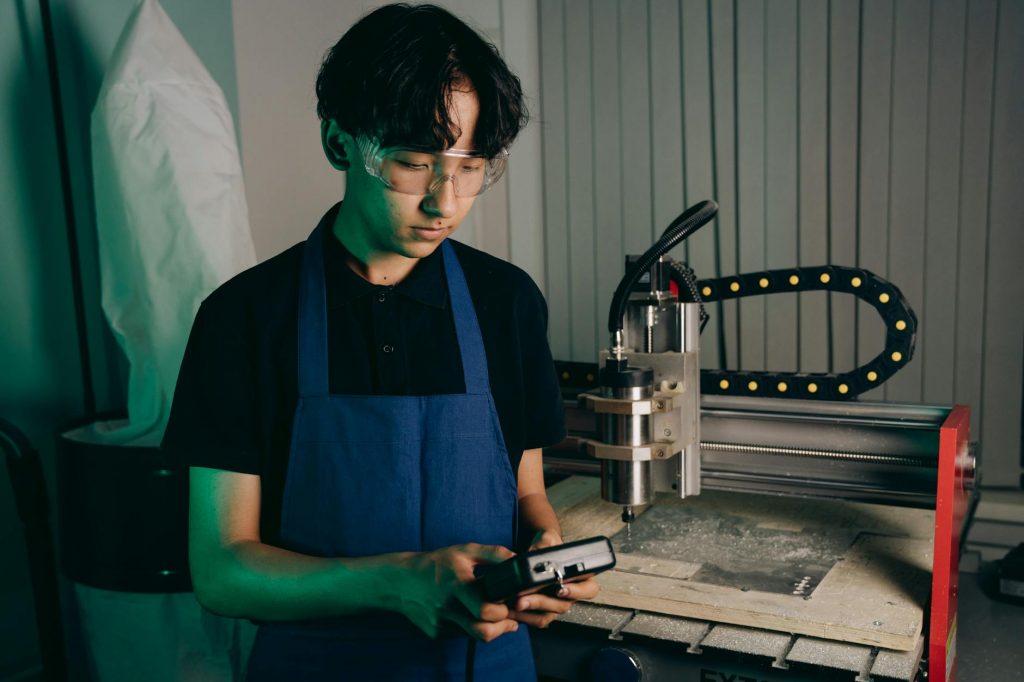
Maharashtra is building something pretty ambitious — a whole new “Innovation City” between Pune and Mumbai that’s designed to be India’s answer to global smart manufacturing hubs. This isn’t just another industrial park. The state government is betting big on creating a corridor that combines cutting-edge technology, modern factories, and research facilities all in one place.
Think of it as a strategic middle ground. Pune already has a strong IT and automotive sector, while Mumbai is the financial powerhouse. This new corridor will sit right between them, leveraging the strengths of both cities while solving the congestion problems neither wants.
Why This Matters Right Now
The timing isn’t random. Global companies are actively looking for alternatives to China for manufacturing, and India is on that shortlist. Maharashtra wants to grab this opportunity with both hands. The corridor will focus on smart manufacturing — basically, factories that use AI, IoT, and automation to produce goods more efficiently and with less waste.
What makes this different from regular industrial zones? The emphasis on innovation. The plan includes research centers, startups spaces, and training institutes alongside actual manufacturing units. Companies won’t just build factories here; they’ll develop new products and technologies too.
The infrastructure push is real as well. Better road networks, dedicated logistics hubs, and modern utilities are already in the pipeline. This isn’t pie-in-the-sky planning — Maharashtra is actually putting money behind it.
What This Means for You
If you’re looking for jobs, this is huge. We’re talking thousands of direct employment opportunities, from factory workers to engineers to researchers. The corridor will create a whole ecosystem of opportunities — construction jobs during the build phase, permanent manufacturing roles, and high-skilled positions in tech and innovation.
But it goes beyond employment. This corridor could change how India manufactures things. Companies setting up here will need local suppliers, logistics partners, and service providers. Small businesses in the surrounding areas could find new customers and opportunities.
There’s also the bigger picture. If this works, it could reduce India’s dependence on imports for certain manufactured goods. It might also attract more global investment to Maharashtra specifically, boosting the state’s economy and creating tax revenue for better public services.
For startups and innovators, this is exciting too. Having research centers and tech spaces alongside manufacturing means ideas can move from concept to production much faster than before. That’s where real innovation happens.
The corridor is still in development stages, but this could genuinely reshape India’s manufacturing landscape in the next five to ten years. If Maharashtra pulls this off, other states will definitely be watching and copying the playbook.