
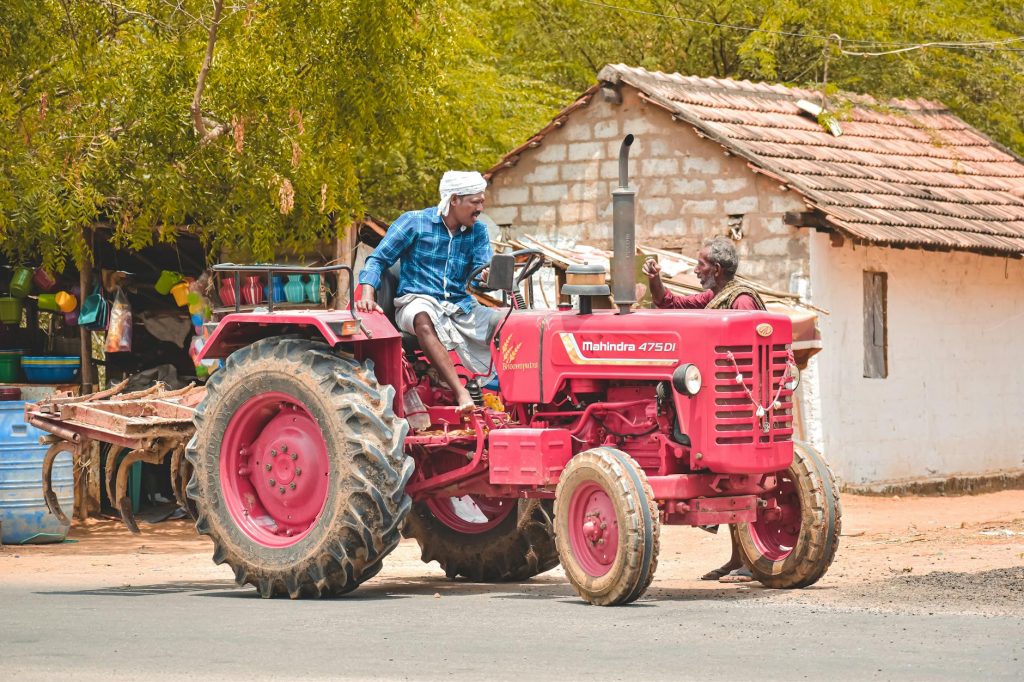
Mahindra just dropped some seriously big news. The company is building a massive ₹15,000 crore manufacturing plant in Nagpur that’ll produce both cars and tractors. This isn’t just another factory announcement — it’s a statement about India’s manufacturing muscle and what our country means to the global auto industry.
Here’s what makes this interesting: the plant will add a whopping one lakh (100,000) tractors to Mahindra’s annual production capacity. For context, that’s enormous. We’re talking about a facility that could reshape how many Indian farmers access modern farming equipment.
Why Nagpur? Why Now?
Nagpur’s becoming India’s next industrial hotspot, and Mahindra clearly sees the potential. The location gives them proximity to raw materials, logistics networks, and a skilled workforce. Plus, Nagpur’s less congested than traditional auto hubs like Pune or Chennai, which means faster operations and lower bottlenecks.
The timing is crucial too. India’s tractor market is booming — rural incomes are rising, and mechanization is finally happening at scale. Mahindra dominates this space, and they’re basically saying: we’re betting big on India’s agricultural future.
What This Means for You
If you’re farming or thinking about upgrading equipment, this expansion could mean better availability and potentially more competitive pricing. When manufacturers invest this heavily, competition typically heats up, which usually benefits consumers.
There’s also the employment angle. A facility this size will create thousands of direct and indirect jobs in Nagpur. From construction workers to engineers to logistics professionals, this project will pump money into the local economy.
Beyond tractors, the plant producing cars signals that Mahindra’s serious about staying relevant in the increasingly crowded Indian auto space. Whether it’s SUVs, sedans, or electric vehicles — having manufacturing flexibility in a new location keeps them ahead of the game.
For the Indian economy broadly, this is confidence in disguise. Major manufacturers don’t commit ₹15,000 crores unless they believe in the country’s growth story. It says the government’s manufacturing push is actually working, and companies are willing to back that belief with serious capital.
The announcement also signals something about rural India’s transformation. The fact that a company’s willing to dedicate one lakh tractors to a single facility shows how agricultural mechanization has become mainstream, not niche.
What happens next? Expect the plant to come online over the next few years, with ramping up of production following standard timelines. Local suppliers will likely multiply around Nagpur, creating an entire ecosystem. This could very well become another manufacturing cluster that puts India on the global map — just like what happened with auto manufacturing in other regions.