
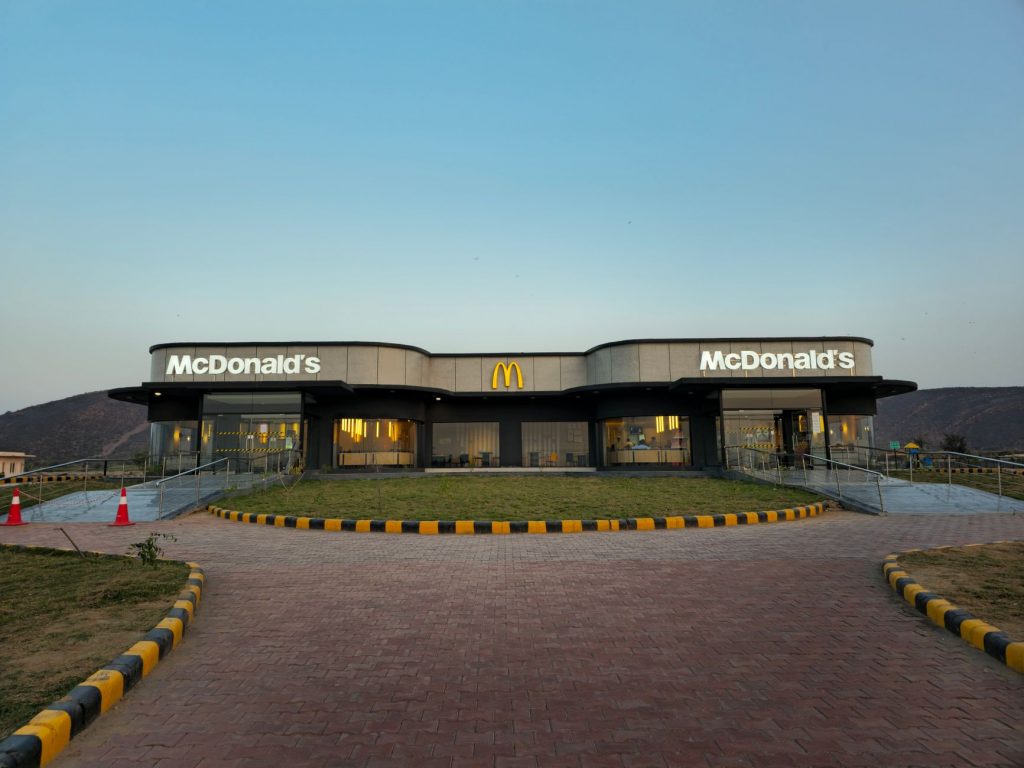
McDonald’s India has playfully acknowledged a recent social media phenomenon where a seemingly random X (formerly Twitter) post about a misplaced burger went unexpectedly viral, garnering massive attention. The fast-food giant’s official account chimed in with a humorous remark, wishing their own carefully crafted promotional content achieved similar organic reach.
The Accidental Viral Sensation
The buzz started when a user shared a picture of a lone McDonald’s burger, lamenting its solitary existence after a friend apparently took the rest of the meal. This simple, relatable post, devoid of any official marketing effort, unexpectedly captured the internet’s imagination. Within hours, it was being shared, commented on, and meme-ified across various social media platforms, far surpassing the engagement typically seen on branded content.
McDonald’s Plays Along
Responding to the widespread discussion, McDonald’s India couldn’t resist joining the fun. Their witty reply, “If only our actual posts went this viral,” perfectly encapsulated the often unpredictable nature of online trends. It showcased a smart, light-hearted approach to community engagement, demonstrating that the brand can both recognize and participate in organic internet moments. This reaction is a testament to their understanding of social media culture and their willingness to connect with users on a more informal level.
What This Means for Brands
This incident highlights a crucial point for businesses operating in the digital space: virality is often an elusive beast. While strategic campaigns are essential, sometimes the most impactful content is the most authentic and unexpected. For McDonald’s, this viral moment, though unplanned, offers a valuable lesson in understanding what resonates with their audience. It also provides an opportunity to analyze the elements of this user-generated content that led to its widespread appeal, potentially informing future marketing strategies. The brand’s clever response has undoubtedly further amplified its reach and goodwill among Indian consumers.