
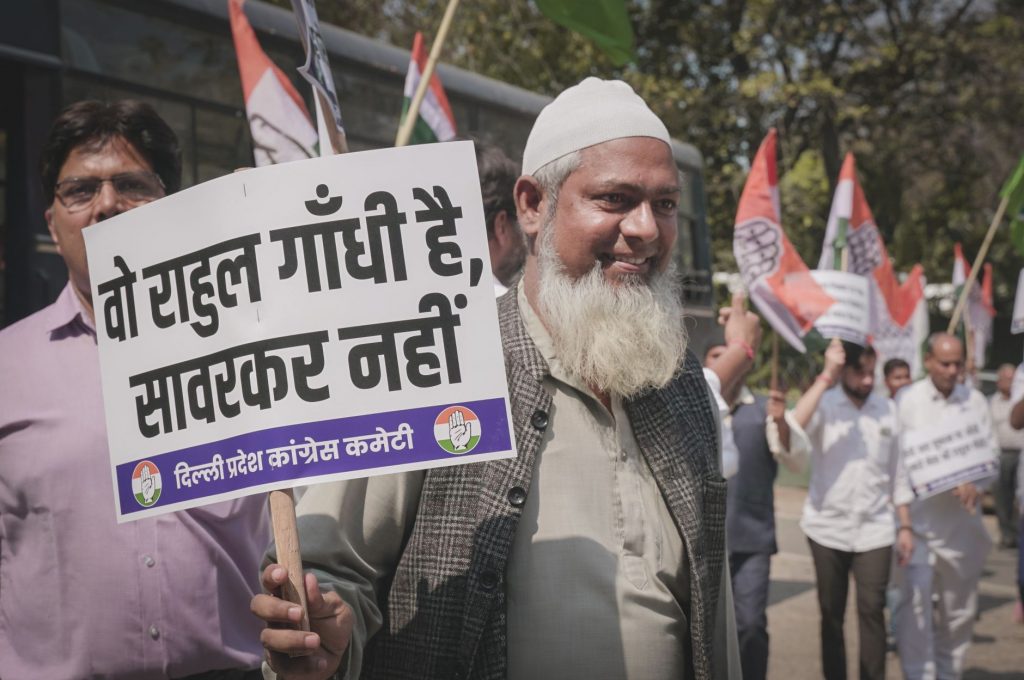
Are the country’s streets about to get more chaotic? India’s anti-government protest movement, dubbed the ‘Cockroach,’ is gaining momentum, and the ruling BJP is feeling the heat.
The movement, which began as a social media campaign, uses a clever analogy to describe the government’s handling of the country’s economic woes. Protesters claim that the government is treating the economy like a cockroach infestation, where instead of dealing with the root cause, they’re just spraying pesticides that only worsen the problem.
What’s driving the ‘Cockroach’ movement?
At its core, the ‘Cockroach’ movement is a reaction to the rising cost of living, particularly for India’s young people. The country’s economic growth has slowed down, and unemployment is at a 45-year high. With no jobs and no prospects, many Indians are feeling disillusioned with the government’s policies.
The movement has taken on a life of its own, with protesters organizing rallies, marches, and even ‘flash mobs’ in cities across the country. They’re using social media to spread their message and mobilize support, often using hashtags like #CockroachIndia and #ModiMustGo.
How is the government responding?
The BJP government, led by Prime Minister Narendra Modi, has been quick to dismiss the movement as a ‘minority’ and ‘fringe’ issue. However, the protests have shown no signs of abating, with more and more Indians joining the cause every day.
The government has attempted to address some of the protesters’ concerns by announcing a slew of economic reforms and initiatives. However, critics argue that these measures are too little, too late, and that the government needs to do more to address the deep-seated issues driving the protests.
What’s at stake?
The ‘Cockroach’ movement has the potential to become a defining moment in India’s electoral history. If the protests continue to gain momentum, they could pose a significant threat to the BJP’s chances in the upcoming elections.
For the protesters, the movement is about more than just economic issues – it’s about the government’s accountability and responsiveness to the people’s needs. If the government fails to address their concerns, the protests could escalate into a full-blown crisis, with far-reaching consequences for the country.
As the protests continue to spread, one thing is clear: India’s streets are about to get a lot more interesting.
The ‘Cockroach’ movement may have started as a joke, but it’s quickly become a force to be reckoned with. Whether it will ultimately succeed in bringing about change remains to be seen, but one thing is certain: the Indian people will not be silenced.
The government’s response will be crucial in determining the movement’s trajectory. Will they take the protesters’ concerns seriously and implement meaningful reforms, or will they try to suppress the movement through force and intimidation?
Only time will tell, but one thing is clear: the ‘Cockroach’ movement is here to stay, and it’s going to change the face of Indian politics forever.