
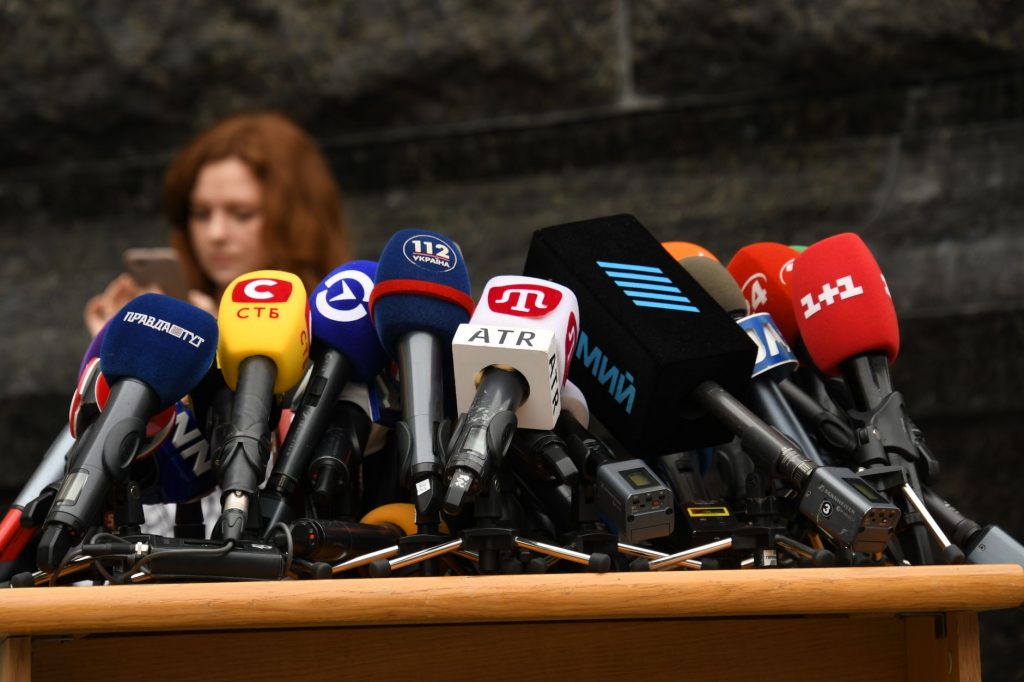
Imagine a high-profile meeting between India’s Prime Minister Narendra Modi and then-US President Donald Trump. Now, imagine a claim that the Indian side actually told the press there would be ‘no questions asked’ from journalists. This is exactly what has surfaced recently, sparking a debate about transparency during such important diplomatic events.
The claim comes from a former US official, Miles Gor, who suggested that during a joint press conference in 2019, Indian officials had requested that no questions be taken. This statement has naturally raised eyebrows, with many wondering if such a restriction is indeed a common practice.
Standard Procedure or Something Else?
However, sources close to the Indian government have come forward to clarify the situation. According to them, what happened at the event was not an unusual request but rather a ‘standard practice’ in diplomatic engagements. They explain that often, during joint press conferences with foreign leaders, the format is pre-decided, and sometimes it is agreed that only opening statements will be made, without a Q&A session. This is done to maintain control over the narrative and ensure that the focus remains on the key messages intended to be delivered by the leaders.
These sources further elaborated that the decision to have or not have a question-and-answer session is usually a mutual agreement between the two countries’ teams. It’s not a unilateral imposition. The aim is often to streamline the event and avoid any potential controversies or off-the-cuff remarks that could complicate diplomatic relations. So, while it might seem unusual to the public, for seasoned diplomats, this might just be another day at the office.
What Does This Mean for Us?
For everyday Indians, this discussion might seem a bit technical, but it touches upon an important aspect of how our country interacts with the world. Transparency is a buzzword we hear a lot, and when it comes to our leaders meeting with powerful global figures, we naturally want to know what’s being discussed and what the outcomes are. The idea of ‘no questions asked’ can feel like a lack of openness, leaving us to wonder what might be hidden.
However, understanding that such formats might be standard diplomatic practice helps put things in perspective. It highlights the delicate balance governments strike between maintaining diplomatic decorum and ensuring public accountability. While a Q&A session can offer direct insights, sometimes the agreed-upon statements are designed to convey the essential message clearly and concisely. It’s a reminder that international diplomacy is a complex dance, and not every step is meant for public view, but the ultimate goal is to serve the nation’s interests.