
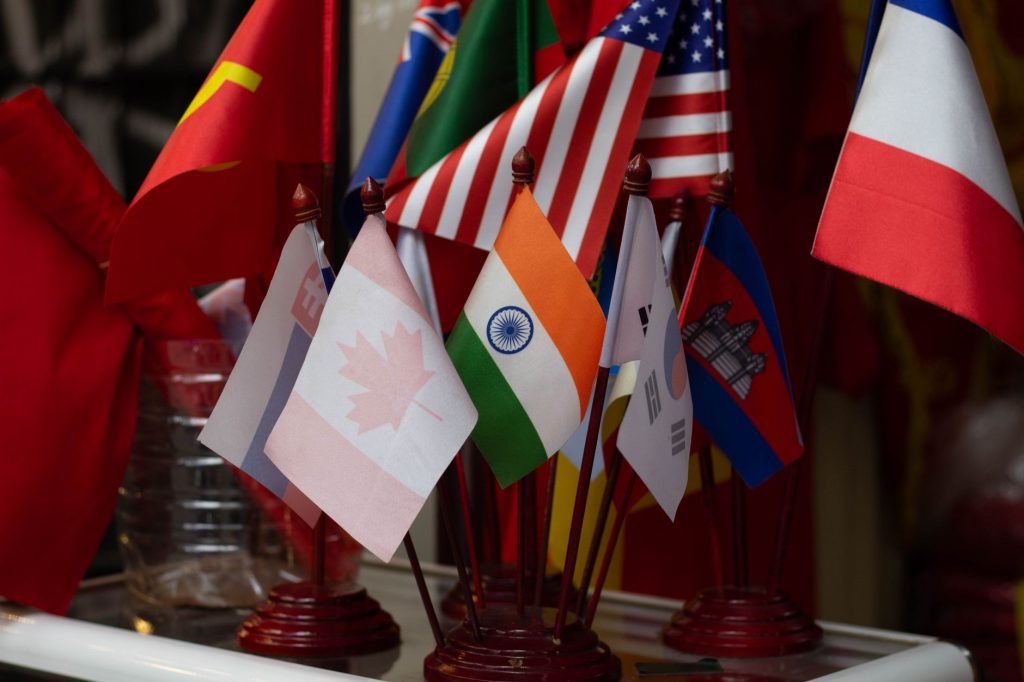
In a series of bold foreign policy moves, Prime Minister Narendra Modi has been redefining India’s role in the Asian region. But what drives this shift in India’s global stance? Is it a renewed focus on cultural ties or a more strategic approach to regional engagement?
For many Indians, the answer lies in the country’s rich cultural heritage, which has been the cornerstone of its relationships with neighboring nations. From the majestic Bodh Gaya temple in Bihar to the historic city of Varanasi in Uttar Pradesh, India’s ancient sites have long been a source of fascination for travelers and scholars alike.
Ancient Civilisations, Shared Heritage
The Modi government’s emphasis on cultural diplomacy is not just a nostalgic nod to India’s past. Rather, it’s a deliberate attempt to revive the country’s historical connections with its Asian neighbors. By highlighting the common cultural roots and historical ties between India and other nations in the region, the government aims to strengthen bilateral relationships and foster greater cooperation.
One of the key initiatives in this regard has been the restoration and conservation of ancient sites across India. From the Ajanta and Ellora caves in Maharashtra to the Hampi ruins in Karnataka, the government has invested heavily in preserving these cultural treasures. Not only do these efforts help to promote India’s rich cultural heritage, but they also serve as a powerful symbol of the country’s commitment to regional cooperation.
The government’s focus on cultural ties has also led to a surge in people-to-people exchanges between India and its Asian neighbors. From educational programs to cultural festivals, these initiatives have helped to build bridges between communities and foster greater understanding and empathy. For instance, the government’s ‘Know India Programme’ has enabled thousands of young Indians to learn about their country’s rich cultural heritage and develop a deeper appreciation for their roots.
Another significant aspect of the Modi government’s cultural diplomacy is its emphasis on Buddhist heritage. As part of this effort, the government has been working closely with neighboring countries to restore and conserve Buddhist sites, including the iconic Bodh Gaya temple in Bihar. By highlighting the shared Buddhist heritage between India and other nations in the region, the government aims to promote greater cooperation and understanding.
The government’s investment in cultural diplomacy has not gone unnoticed. The results have been impressive, with bilateral relationships between India and its Asian neighbors showing significant improvement. From trade and commerce to security and defense, these relationships are now more robust than ever. Moreover, the cultural exchanges and people-to-people initiatives have helped to build a sense of community and shared identity among Indians and their neighbors.
Cultural Revival, Strategic Gains
So, what does the future hold for India’s cultural diplomacy? As the country continues to navigate the complexities of regional politics, its cultural ties with neighboring nations will remain a vital aspect of its foreign policy. By building on the successes of the past 12 years, the government can look forward to even greater gains in the years to come. One thing is clear: India’s cultural revival will continue to be a powerful driver of regional cooperation and strategic gain.
As Indians look to the future, they can take pride in the fact that their country is once again playing a leading role in the Asian region. By embracing its cultural heritage and sharing it with the world, India is not only promoting greater understanding and cooperation but also strengthening its position as a major global power. The journey ahead will be filled with challenges, but one thing is certain: India’s cultural diplomacy will remain a vital part of its foreign policy for years to come.