
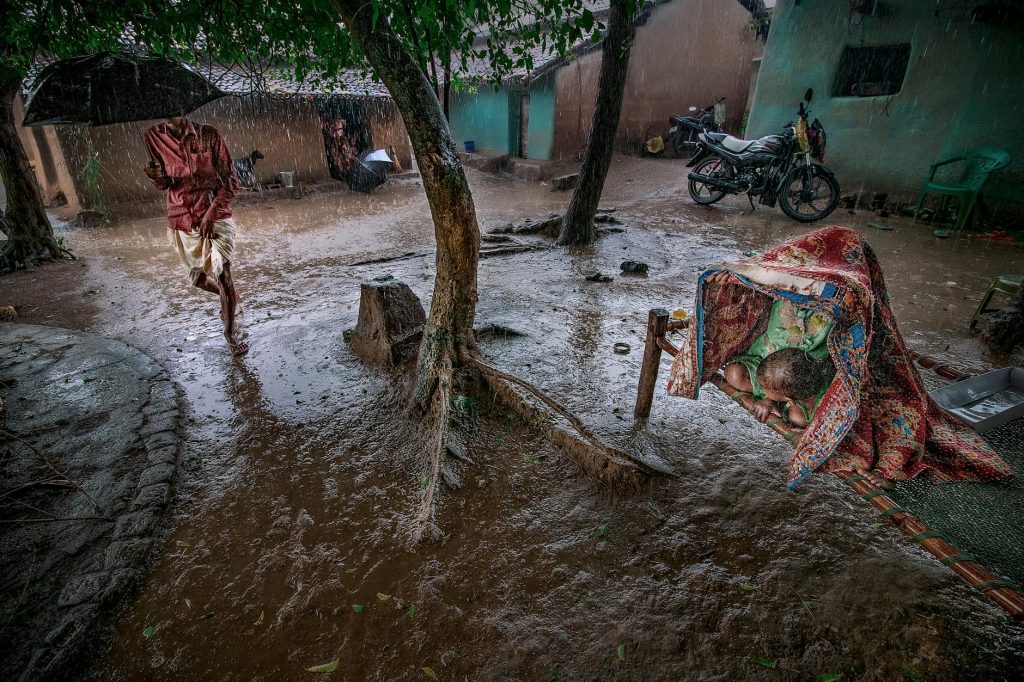
The monsoon rains that have kept North India cool and wet for months are finally packing up their bags. Chandigarh, Punjab, and Haryana have officially seen the southwest monsoon withdraw, marking the end of this year’s rainy season in the region.
This is actually pretty significant if you live in these parts. The monsoon withdrawal typically happens in September-October, and it’s not just about the rains stopping. When the monsoon leaves, everything changes—from humidity levels to temperature patterns, and even how farmers plan their next crop cycle.
What Does Monsoon Withdrawal Actually Mean?
Think of monsoon withdrawal like a seasonal guest finally saying goodbye. When meteorologists announce the withdrawal, it means the monsoon trough—that band of low pressure that brings all those rains—has shifted away from the region. In practical terms? No more sudden downpours, humidity starts dropping, and temperatures begin to rise again.
The weather system that replaced the monsoon will bring drier, clearer skies. You might notice mornings becoming crisper and afternoons getting hotter. Delhi, Chandigarh, and surrounding areas will transition from the green, wet landscape we’ve seen all summer into the dry season.
Why Should You Care Right Now?
If you’re in Punjab or Haryana, this affects more than just what you wear. Farmers across these states rely heavily on the monsoon for their kharif (summer) crops. The withdrawal means harvest season is approaching, and agricultural activities will shift gears accordingly.
For regular folks, it’s practical stuff: water reservoirs and groundwater levels depend on these monsoon months, so the withdrawal affects water availability for the coming months. Power generation from hydroelectric dams also takes a hit once the rains stop.
Additionally, if you suffer from allergies or respiratory issues, the change in weather patterns matters. The drier season brings different allergens and air quality patterns compared to the humid monsoon months.
The withdrawal also sets the stage for the post-monsoon season, which brings its own weather patterns—sometimes dry spells, sometimes scattered showers, and eventually the cool winter months that North India looks forward to.
Over the next few weeks, you’ll notice the landscape gradually drying out, water tables stabilizing at lower levels, and the characteristic feel of Indian autumn settling in. If you’re planning outdoor activities, traveling, or making agricultural decisions, this monsoon withdrawal is a key marker on the calendar.
The real story unfolds now: how the region adapts to the new season, whether water reserves are adequate for the dry months ahead, and how weather patterns evolve as we move toward winter.