
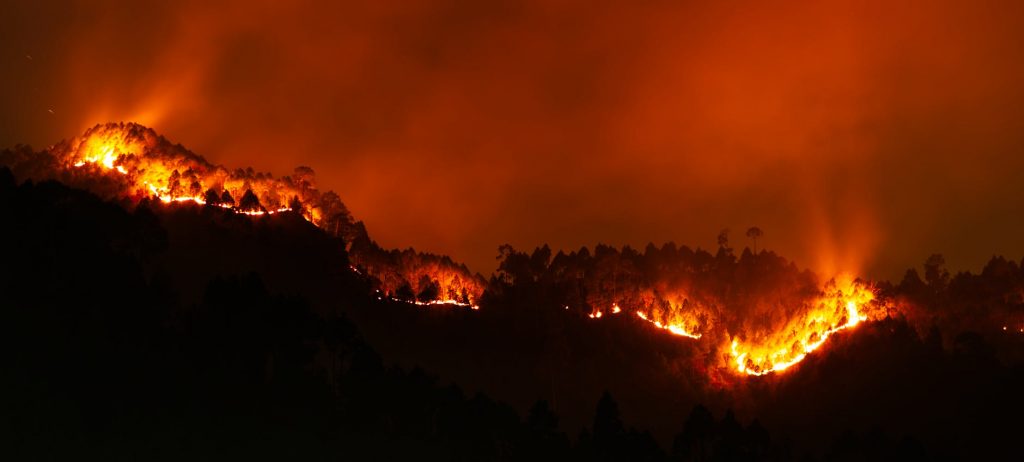
Madhya Pradesh broke an alarming record recently when farm fires across the state exceeded those in any other part of India for two consecutive days. This isn’t just a regional problem — it signals a much bigger crisis unfolding in our agricultural heartland.
Farmers across MP have been burning crop stubble after harvesting, a practice that’s as old as farming itself but increasingly catastrophic for air quality. The scale this season has been startling, with satellite data showing the state accounting for more burning incidents than Punjab, Haryana, and other traditional hotspots combined on those peak days.
Why MP’s Fires Matter More Than You Think
The state sits in central India, surrounded by densely populated urban centers. When fires peak here, the toxic smoke doesn’t stay put. It drifts across regions, affecting air quality in cities far beyond MP’s borders. Delhi residents have felt the impact before — but this time, states like Rajasthan and Madhya Pradesh’s own cities are breathing dangerously polluted air.
What makes this particularly concerning is timing. These fires often coincide with meteorological conditions that trap smoke closer to the ground, making it harder to disperse. The result: visibility drops, respiratory cases spike in hospitals, and outdoor activities become risky.
The Farmer’s Dilemma
Here’s the tough part: farmers aren’t being reckless for fun. They face genuine pressure to clear fields quickly for the next planting cycle. Mechanical alternatives like paddy straw choppers exist, but they’re expensive and not widely accessible across MP.
Government subsidies help, but the uptake remains low. Many farmers still see burning as the fastest, cheapest option. Without serious investment in alternatives and real incentives, crackling fields will keep appearing every season.
The central government has penalty systems in place, but enforcement remains patchy. Some states have seen fines deter farmers, while in others, the message simply hasn’t gotten through.
What This Means for You
If you’re in MP, neighboring states, or anywhere downwind, air quality will likely worsen before it improves. People with asthma, children, and elderly folks face genuine health risks during peak burning season. Schools might shut. Outdoor exercise becomes inadvisable.
For those living elsewhere, this is a reminder that India’s air crisis isn’t just a Delhi winter problem — it’s a nationwide agricultural challenge that needs nationwide solutions. Farm fires contribute significantly to India’s overall pollution burden.
The real test comes next harvest season. Will the government ramp up mechanical alternatives? Will farmers get meaningful compensation for not burning? Will we see actual change, or just more records broken? That answer will shape the air you breathe.