
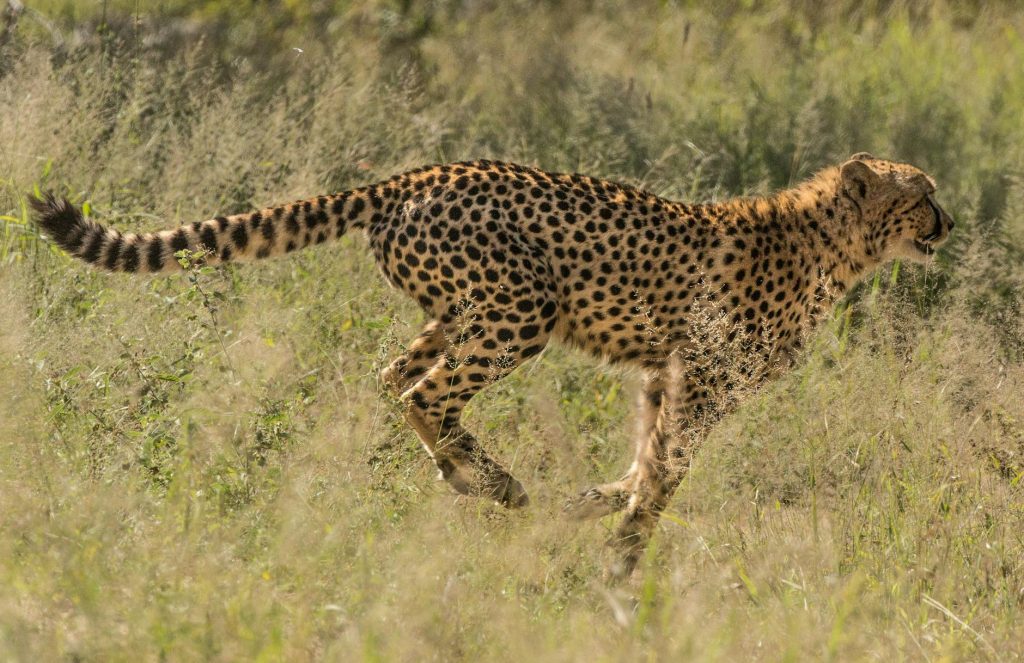
Imagine walking through a forest and spotting a cheetah sprinting across the grassland — something most Indians haven’t seen in over seven decades. That dream is getting closer to reality. The government cabinet has just given the green signal to establish a third cheetah habitat in Madhya Pradesh at Nauradehi Wildlife Sanctuary.
What’s happening with India’s cheetahs?
Cheetahs completely disappeared from India by the 1950s due to hunting and habitat loss. In 2022, the government launched an ambitious plan to bring them back from Africa. The first cheetahs were introduced at Kuno National Park in MP, followed by another habitat at a second location.
Now, with this latest approval, Nauradehi becomes the third sanctuary where these magnificent cats will roam free. The sanctuary, also in Madhya Pradesh, spans a large forested area perfect for cheetahs to hunt and live naturally.
Why does this matter for India?
This isn’t just about having more cheetahs running around. When you bring back an animal that vanished from your country, it means the entire forest ecosystem gets healthier. Cheetahs help control populations of deer and other animals, which prevents overgrazing and protects plant life.
For local communities near these sanctuaries, wildlife tourism creates jobs and brings economic benefits. Schools and nature lovers get opportunities to learn about conservation while watching these incredible predators up close.
Spreading cheetahs across multiple habitats also reduces risk. If something goes wrong at one location, the others keep the population safe. It’s like keeping your eggs in different baskets instead of one.
What happens next?
The cabinet’s approval is just the first step. Now officials need to prepare Nauradehi’s infrastructure, create safe enclosures for initial adaptation, and plan the actual translocation of cheetahs. This process takes time and careful planning to ensure the animals survive and reproduce in their new home.
Wildlife experts will monitor how cheetahs adapt to each sanctuary. They’ll study their hunting patterns, breeding success, and interaction with other animals. This data helps scientists understand if India can truly bring back this extinct species.
The bigger picture? India is showing the world that extinct animals can return if we commit to conservation seriously. This cheetah project puts India among few countries attempting such ambitious wildlife restoration. In the coming years, we might actually see these fastest land animals roaming Indian forests again — a win for nature and for us.