
Is Madhya Pradesh trying to become a tech hub while reviving traditional medicine? Yes — and the state cabinet just gave the green light to make it happen.
The Madhya Pradesh government has approved two major initiatives that could reshape the state’s economic and educational landscape. An electronics cluster is coming to Bhopal, while five districts will get new ayurvedic colleges. These aren’t small moves — they signal the government’s plan to attract modern manufacturing while strengthening India’s ancient healing systems.
What’s This Electronics Cluster All About?
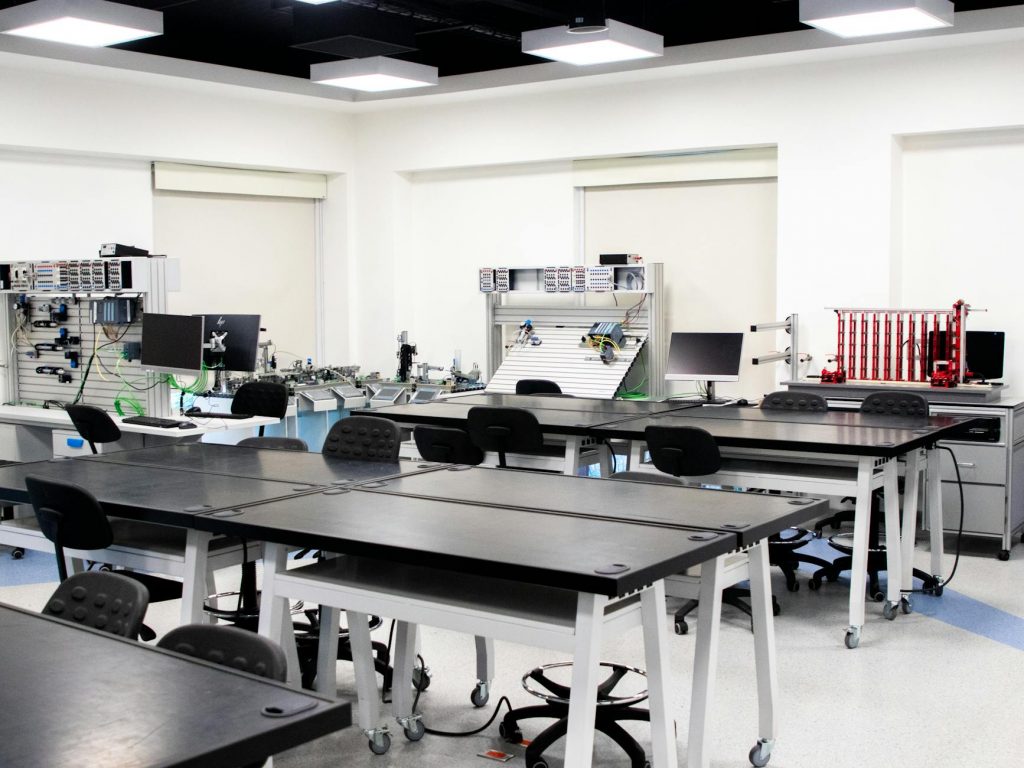
The electronics cluster in Bhopal is designed to become a manufacturing hub for electronic components and devices. Think of it as a dedicated zone where electronics companies can set up factories with government support, better infrastructure, and streamlined processes.
This matters because India wants to reduce its dependence on imports and create jobs at home. Companies in this cluster will likely produce everything from smartphone parts to consumer electronics. Bhopal, being centrally located, becomes an attractive spot for such investments.
The government hopes this will attract both Indian and foreign companies looking to manufacture in India instead of China or other countries. Local workers will get employment opportunities, and the state gets tax revenue and economic growth.
Why Five Ayurvedic Colleges Now?
Simultaneously, the cabinet approved new ayurvedic colleges across five districts in MP. This is the government’s way of saying traditional medicine education matters just as much as modern industries.
Ayurveda has seen growing global interest in recent years. More Indians and foreigners want to study and practice this system of medicine. Opening colleges in five districts — instead of just concentrating them in major cities — means students from smaller towns can access quality ayurvedic education without relocating.
These colleges will train doctors in ayurveda, boosting the workforce in India’s traditional medicine sector. It also creates a chain of educational institutions that can employ teachers, support staff, and generate local economic activity.
What Happens Next?
Both projects require implementation timelines and funding allocation. The government will likely announce details about land allocation for the electronics cluster, expected investment, and timelines for the colleges shortly.
The electronics cluster could take 2-3 years to become operational, while colleges typically open within a year of approval. Companies interested in the cluster will start submitting proposals, and the government will begin infrastructure development.
For Madhya Pradesh, this dual strategy shows an attempt to balance modern economic growth with cultural and traditional values. Whether these initiatives deliver jobs and quality education depends on how well they’re executed on the ground.