
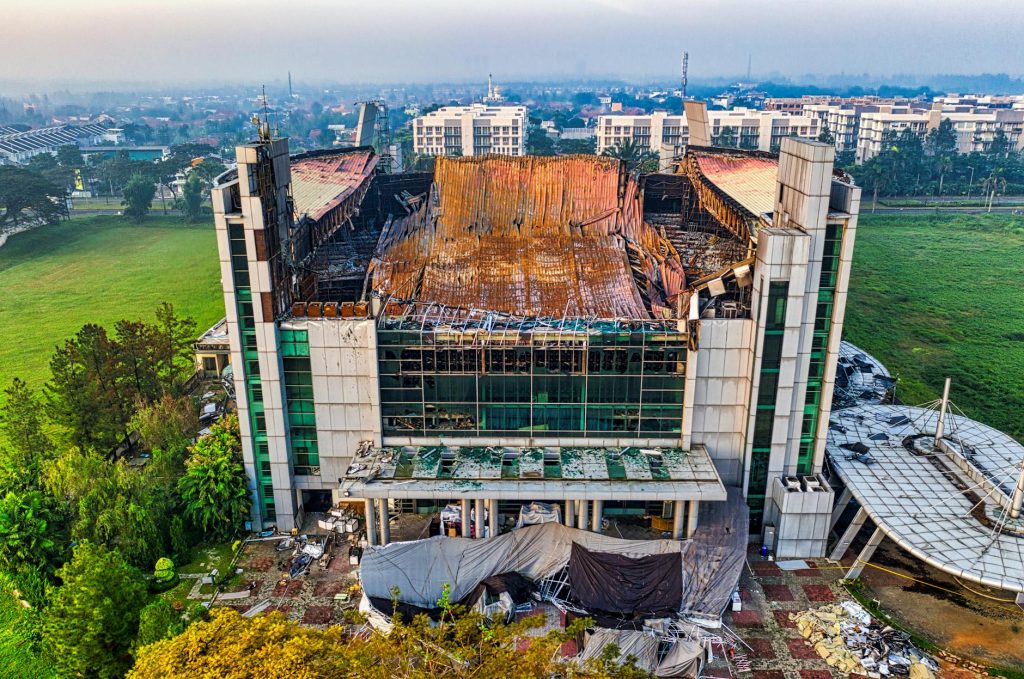
Imagine you’ve been waiting three years for a new flyover to reduce your commute, but when it finally opens, cracks appear within months. This isn’t just frustration—it’s becoming a pattern in Madhya Pradesh, where several high-profile infrastructure projects have recently failed or faced serious delays due to engineering mistakes and poor oversight.
Recent reports show multiple construction projects across the state have encountered major problems—from roads collapsing prematurely to bridges showing structural weaknesses. These aren’t small hiccups. They’re large-scale failures that cost taxpayers crores of rupees and raise serious questions about who’s responsible and why it keeps happening.
The Real Story Behind These Failures
What’s going wrong? Experts point to a combination of issues. First, there’s inadequate quality checking during construction. Many projects rush through inspections without proper testing of materials or workmanship. Second, some contractors cut corners to maximize profits, using substandard materials or skipping crucial steps in the building process.
Third—and perhaps most critical—is the lack of accountability. When something fails, figuring out who’s responsible becomes a bureaucratic maze. Engineers, contractors, and supervising officials often blame each other, while the public gets stuck with broken infrastructure.
There’s also the issue of outdated designs and poor planning. Some projects start without proper soil testing or environmental surveys, leading to foundation problems years later.
What Happens Now?
State authorities have promised increased audits and stricter penalties for contractors who deliver substandard work. There’s talk of mandatory third-party inspections and better training for engineers overseeing these projects.
However, implementing these changes takes time and political will. Many citizens worry that without real systemic reform, they’ll keep seeing their tax money disappear into failed projects while promised infrastructure remains incomplete.
What’s particularly frustrating for ordinary Indians is that these failures directly affect daily life. A bridge that should last 40 years needs repairs in five. A road meant to ease traffic congestion becomes unsafe to use.
Experts say the solution requires transparency—making inspection reports public, holding officials financially accountable, and ensuring engineers have proper qualifications and oversight. Some states have started using technology like drone surveys and real-time monitoring, which has reduced failures significantly.
The lesson here is simple: infrastructure is the backbone of economic growth and quality of life. When projects fail, entire cities suffer. For Madhya Pradesh, the current crisis is a wake-up call. Without serious structural reforms in how projects are planned, executed, and monitored, taxpayers will continue funding expensive lessons in poor construction.