
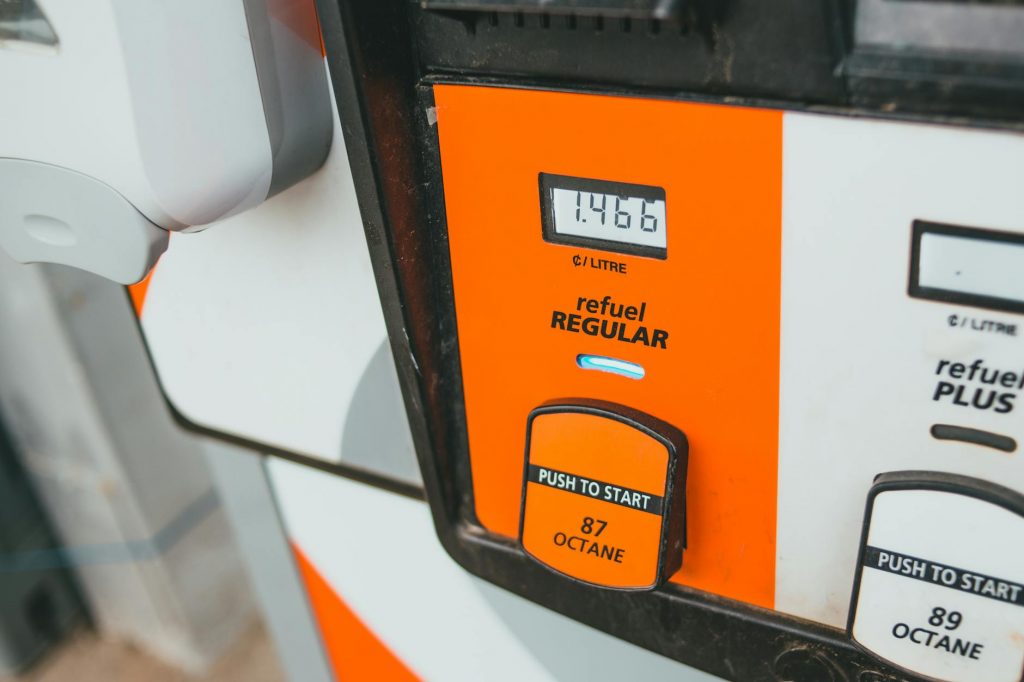
Petrol prices across Madhya Pradesh are climbing higher, and the reason lies thousands of kilometers away in the Middle East. Tensions in that oil-producing region are making fuel more expensive at pumps in Indore, Bhopal, Gwalior, and smaller cities too.
When trouble brews in countries that pump most of the world’s oil, prices spike globally. India imports nearly 80% of its crude oil, so we feel the impact directly in our wallets. Your morning commute just got a bit more expensive.
What’s Happening to Prices Right Now
Major cities in MP are seeing petrol prices fluctuate daily as international markets react to Middle East developments. Indore, being an industrial hub, often sees slightly different rates than smaller towns nearby. Bhopal and Gwalior are tracking similar upward trends, though exact prices change based on local taxes and dealer margins.
The government doesn’t directly control these prices anymore—oil companies adjust them based on crude oil costs and the rupee’s strength against the dollar. When crude gets expensive and the rupee weakens, petrol automatically becomes dearer.
Why This Matters for Your Daily Life
Higher petrol prices affect everything beyond your car or bike. Transport costs go up, which pushes prices of groceries, medicines, and delivered goods higher. Auto-rickshaw fares and taxi rates typically increase within days of fuel price jumps. If you run a small business requiring delivery or commuting, your costs are rising.
Families already struggling with inflation feel the squeeze hardest. A 2-3 rupee jump per liter sounds small until you’re filling up twice a week. Over a month, it adds up to significant extra spending for middle-class households.
The silver lining? These price movements are usually temporary. Once international tensions ease or crude supplies stabilize, prices typically fall. But there’s no guarantee when that happens—geopolitical situations can drag on for months.
For now, many commuters are reconsidering travel habits. Some are shifting to public transport, carpooling, or planning their trips more carefully to save fuel. Others are hoping the government steps in with tax relief, though that’s unlikely in the short term.
Keep checking your local fuel prices regularly—they change almost daily. Many fuel stations in Indore, Bhopal, and other MP cities update rates in the morning, so filling up early might occasionally save you a few rupees.
The bigger picture? Global oil crises remind us why India needs to invest more in electric vehicles and renewable energy. Until that happens, expect fuel prices to remain sensitive to whatever happens in distant Middle Eastern countries.