
Is India’s burgeoning Artificial Intelligence (AI) ambition set to be hobbled by a fundamental resource crunch? The question echoes loudly in New Delhi and tech hubs across the nation following a stark warning from global tech titan Elon Musk.
Musk, the visionary behind Tesla and SpaceX, recently highlighted a critical bottleneck for AI’s rapid expansion: electricity. He pointed out that the insatiable power demands of AI data centers, especially those training advanced AI models, could soon outstrip global energy supplies. This isn’t a distant problem; it’s a looming reality that directly impacts India’s own aspirations to become a global AI powerhouse.
The AI Energy Dilemma
India is making significant strides in AI development, with the government actively promoting its adoption across sectors like healthcare, agriculture, and governance. Startups are flourishing, and established IT companies are heavily investing in AI research and deployment. However, each sophisticated AI model, each large language model trained and run, consumes a tremendous amount of electricity. Musk’s warning serves as a wake-up call, forcing us to confront the significant energy infrastructure upgrades and sustainable power solutions required to fuel this technological race.
Balancing Growth with Sustainability
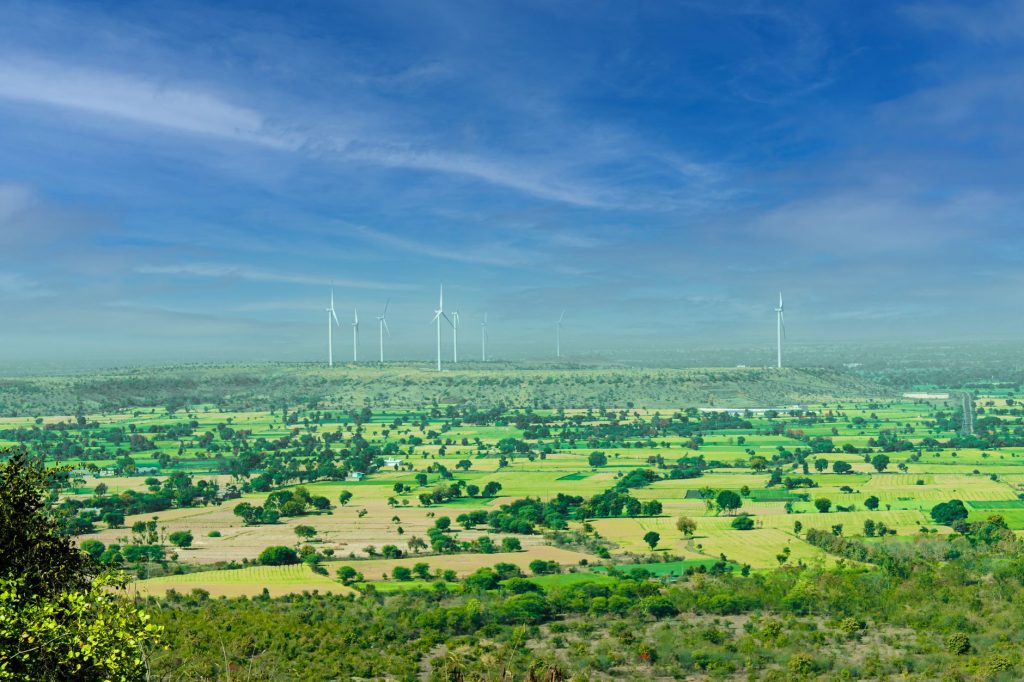
The challenge for India lies in balancing its ambitious AI growth trajectory with the imperative of sustainable energy development. Relying solely on traditional power sources might not be feasible or environmentally responsible. This necessitates a proactive approach to investing in renewable energy sources like solar and wind, alongside exploring advanced energy storage solutions and optimizing data center energy efficiency. The nation needs to ask itself: are our current power grids robust enough, and are our renewable energy targets ambitious enough to support a future dominated by AI?
The implications of this power crunch are far-reaching. If India cannot secure sufficient and sustainable energy, its AI development could face significant delays, making it harder to compete on the global stage. This could impact everything from the competitiveness of Indian tech firms to the government’s ability to leverage AI for public good. Therefore, Musk’s seemingly simple power warning opens up a complex, multi-faceted discussion about India’s energy security, technological future, and its commitment to a green economy.