
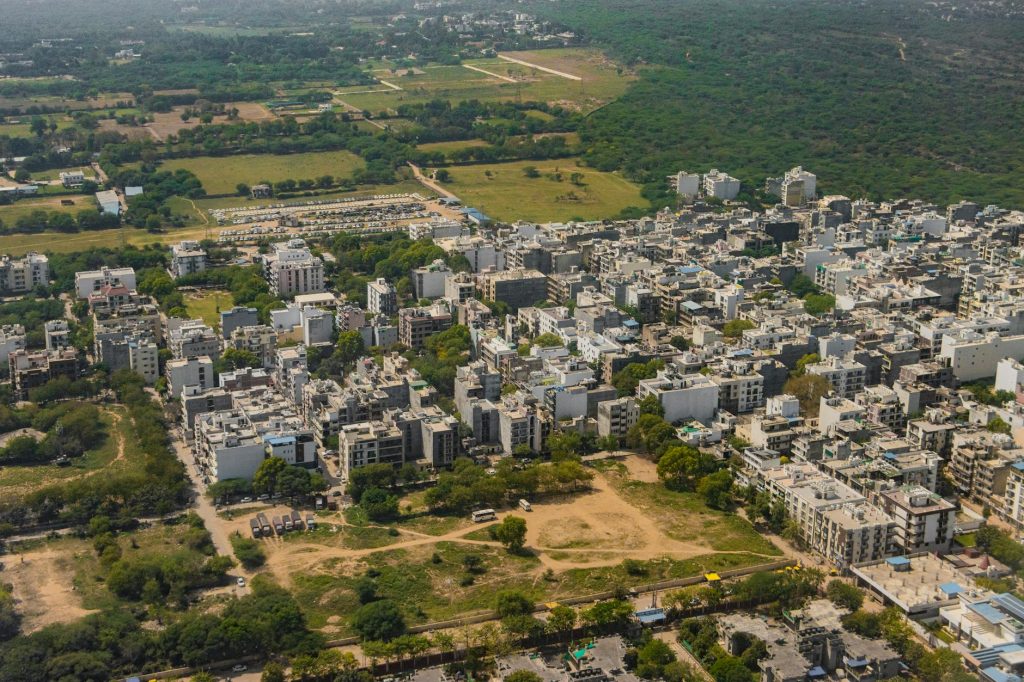
So you’re wondering what this Rs 5,000 crore investment means for Nagpur? Here’s the straight answer: the city is about to get a major economic facelift that could create thousands of jobs and attract big businesses to set up shop here.
The orange city, which has been pushing hard to become a business hub beyond agriculture and textiles, just got the shot in the arm it needed. This massive investment is designed to transform Nagpur into what officials are calling a ‘Growth Hub’ — basically a dedicated zone where companies can operate with special incentives and faster approvals.
What Exactly Is This Growth Hub?
Think of it as a specially designed business zone where the rules are friendlier for companies. Instead of dealing with endless red tape, businesses get faster clearances, tax benefits, and better infrastructure. It’s the government’s way of saying, “Hey companies, come set up here and we’ll make it easy for you.”
The Rs 5,000 crore will be pumped into building the necessary backbone — better roads, reliable power supply, water systems, and tech parks. When infrastructure is solid, companies actually want to invest. It’s not rocket science, just smart planning.
Nagpur, which sits right in the middle of India, has always had geographic advantage. But geography alone doesn’t attract business. You need the right ecosystem, and that’s what this investment aims to create.
Why Should You Care?
If you live in or around Nagpur, this could mean real opportunities. New businesses need workers — from factory workers to IT professionals to support staff. Young people especially should be watching this closely. Job openings in tech, manufacturing, and services sectors typically follow these kinds of investments.
Beyond jobs, better infrastructure benefits everyone. Improved roads mean easier commutes. Better power supply means fewer blackouts. It’s a ripple effect that touches daily life.
The growth hub model has worked in other cities. When you create an attractive place for business, the economic activity doesn’t stay confined to that zone — it spreads across the city. Local restaurants do better business, transport operators get more work, and small traders benefit from increased foot traffic.
This is also about Nagpur’s long-term identity. The city wants to be known for more than just being in the middle of India. With this push, it’s positioning itself as a serious contender in the business world, alongside metros like Bangalore and Pune.
The real test comes now — how quickly the projects get executed and whether companies actually start moving in. If things go smoothly, Nagpur could see significant transformation in the next 3-5 years. That’s something worth paying attention to.