
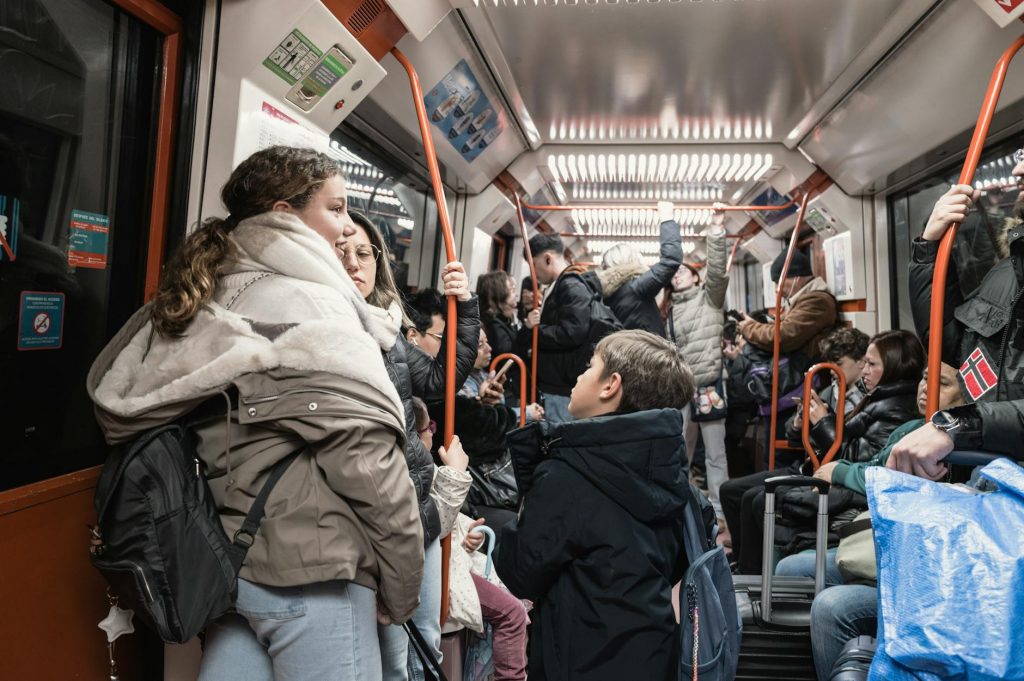
Twelve years into operation, Nagpur Metro stands at a crossroads. The city’s rapid transit system wants to expand aggressively, but it’s struggling to fill the seats it already has.
The metro authority has announced plans for significant expansion across the city. New corridors are in the pipeline, and officials speak confidently about tripling coverage in the coming years. On paper, it looks ambitious.
The Ridership Problem Nobody’s Talking About
Here’s the catch: current ridership numbers remain underwhelming. Daily passenger counts haven’t grown as projected when the system first launched. Many trains run half-empty during peak hours, and off-peak timings see even fewer commuters.
The core issue isn’t complicated. Most of Nagpur still lacks proper connectivity to metro stations. Auto-rickshaws and personal vehicles remain the default choice for middle-class commuters. The feeder system—those crucial buses and local transport that should connect neighborhoods to metro stations—remains patchy.
Expansion is happening, but the basics aren’t working yet. Building new lines without solving the last-mile connectivity problem is like adding more exits to a highway when nobody’s using the existing one.
What This Means for Your City
If you live in Nagpur, this matters because expansion costs money. More lines mean higher operational costs, higher maintenance, and eventually, pressure on ticket prices or government subsidies. If ridership stays low, someone foots the bill.
The metro’s real problem isn’t ambition—it’s execution. The authority needs to focus on making current corridors work better before stretching resources thin across new ones.
That means investing in better feeder buses, creating affordable parking at stations to convert car users, and improving station accessibility. It means working with local governments to ensure residential areas actually connect properly to the network.
Cities like Hyderabad and Pune faced similar challenges but turned them around by fixing connectivity issues alongside expansion. Nagpur can learn from that playbook.
The metro’s next chapter won’t be written by announcements alone. It’ll be written by actual commuters choosing trains over cars. Until that happens, every new corridor is just another beautiful but lonely stretch of track.