
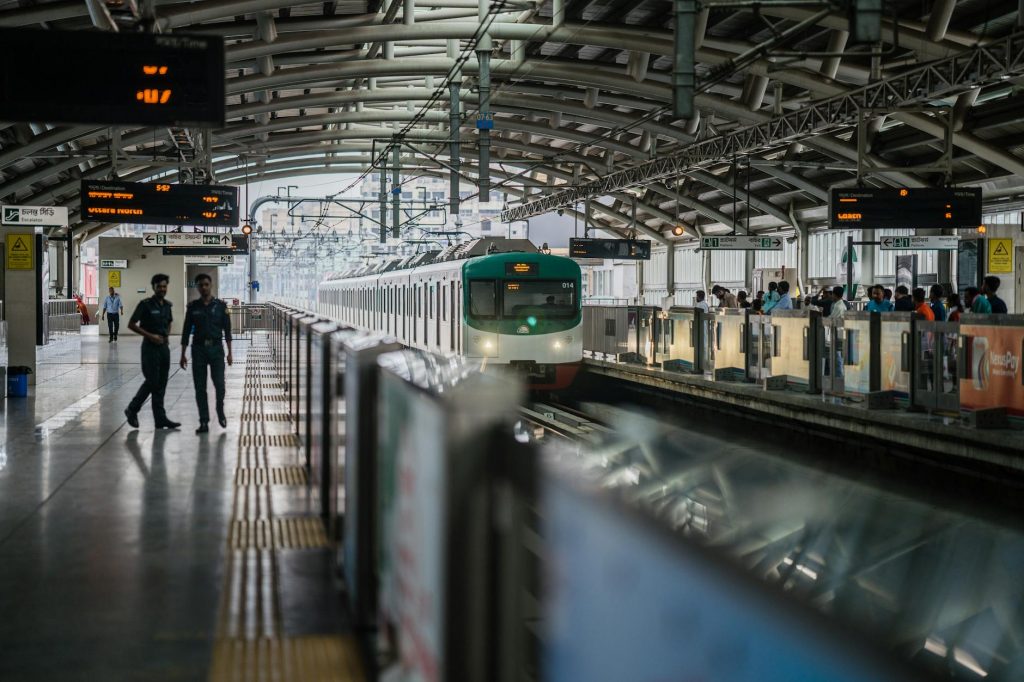
Nagpur’s metro system is experiencing an unexpected boom — and petrol pumps are the unlikely reason behind it. Over the past few weeks, as fuel prices climbed and traffic congestion worsened, thousands of commuters have quietly switched to the rapid transit system, seeking a cheaper and less stressful way to get around the city.
The surge in metro ridership tells a quiet story about urban India’s transport choices. When your daily commute starts burning through your wallet, even sceptical car owners begin reconsidering. The metro offers a fixed, predictable cost — no surprise fuel bills, no parking headaches, no sitting in bumper-to-bumper traffic during peak hours.
Why the Sudden Shift?
Nagpur’s working population, traditionally wedded to personal vehicles, is discovering what commuters in older metro cities learned years ago: public transport beats the stress of solo driving. The convenience factor matters too. No need to hunt for parking in crowded commercial zones. No fighting with auto drivers over fares. Just swipe your card and go.
City planners noticed the jump first through ticketing data and platform crowds during morning and evening rushes. The timing is telling — it coincided exactly with petrol prices touching levels that made daily driving genuinely painful for middle-income families.
What’s interesting is that this isn’t just about budget. Many commuters report spending less total time on their journey. The metro bypasses traffic jams that can add 30-40 minutes to a car ride during peak hours. For someone working in the business district, that’s a game-changer.
A Glimpse Into India’s Urban Future
This shift in Nagpur mirrors what’s happening across India’s tier-2 and tier-3 cities as they build metro systems. The infrastructure is working — it just needed the right push to get people to actually use it.
For Indian families, this trend carries real implications. If metro systems deliver on reliability and safety, they become genuinely competitive against personal vehicles. That means less pollution in our cities, less money spent on petrol and maintenance, and more time saved for productive work or rest.
The question now is whether this shift will stick once fuel prices stabilise, or if commuters will drift back to their cars. Cities that invested in metro systems are banking on the former. They’re betting that once people experience the convenience and savings, they’ll stay.
For Nagpur specifically, this could be the turning point where the metro transforms from a nice-to-have infrastructure project into the actual backbone of city transport. And if it works here, other Indian cities watching closely will have proof that public transit can truly compete with the car culture that’s dominated our streets for decades.