
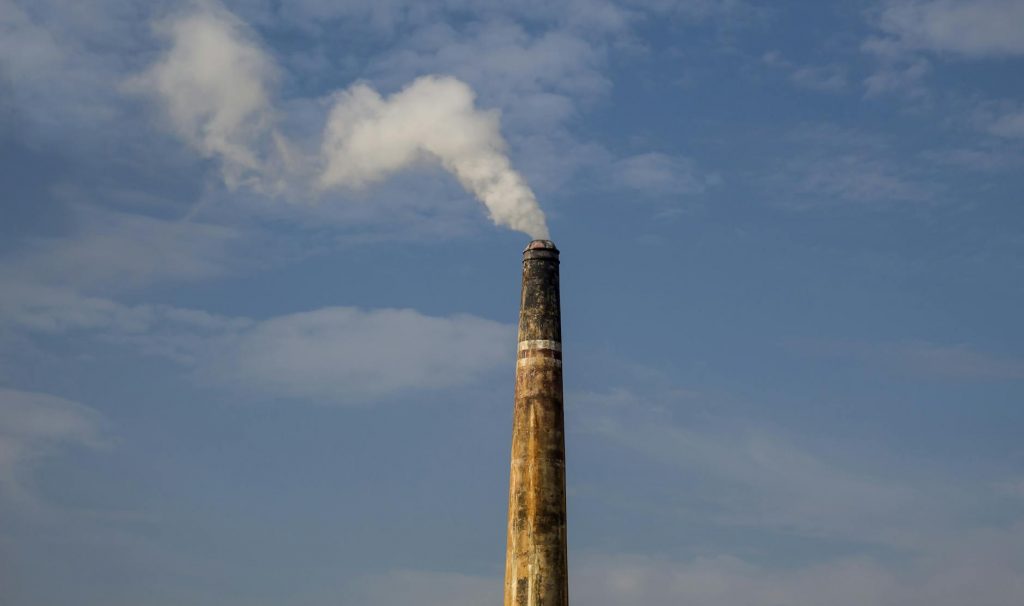
Imagine stepping outside your home and breathing air that’s nine times more polluted than what health experts say is safe. That’s the reality for Nagpur residents right now. A recent study has revealed that the air quality in Maharashtra’s orange city has deteriorated to alarming levels, far surpassing pollution in major metros like Mumbai and Pune.
The findings are stark. Nagpur’s air pollution levels have exceeded the World Health Organization’s recommended safety cap by a staggering nine times. This isn’t just a number on a chart—it directly affects your lungs, your kids’ health, and how long you might live.
Why Is Nagpur Choking?
Several factors are working together to create this toxic cocktail. Construction dust from ongoing development projects, vehicular emissions, and seasonal burning of agricultural waste in surrounding areas all contribute to the problem. During winter months, temperature inversions trap pollutants closer to the ground, making the situation even worse.
What’s particularly concerning is that Nagpur has consistently ranked among India’s most polluted cities for the past few years. Yet the problem keeps worsening instead of improving. The city’s rapid urbanization hasn’t been matched with adequate pollution control measures.
How Bad Is It Compared to Other Cities?
Mumbai and Pune, despite their own air quality challenges, are breathing relatively cleaner air than Nagpur. Mumbai’s monsoons and Pune’s elevation help disperse pollutants naturally. Nagpur lacks these geographical advantages, making it a pollution hotspot during critical seasons.
Experts measure air quality using PM2.5 and PM10 particles—tiny bits of pollution that penetrate deep into your respiratory system. Nagpur’s levels have been consistently climbing, while most other major Indian cities show some improvement year on year.
The WHO recommends annual average PM2.5 levels of 15 micrograms per cubic meter. When a city measures nine times that, you’re looking at approximately 135 micrograms or higher. Breathing such air regularly increases risks of asthma, heart disease, and respiratory infections.
Daily wage workers, outdoor vendors, and children are particularly vulnerable. They spend more time outdoors and have less control over their exposure.
What Needs to Change?
The city needs aggressive action—stricter emission norms for industries, better traffic management, green spaces that act as natural air filters, and enforcement of anti-pollution rules. Without intervention, Nagpur’s air quality will continue to deteriorate.
Residents are increasingly investing in air purifiers and masks, turning health protection into a personal expense. But the real solution lies in systemic change at the government level. As more such studies emerge, pressure is mounting on authorities to act before Nagpur becomes unlivable.