
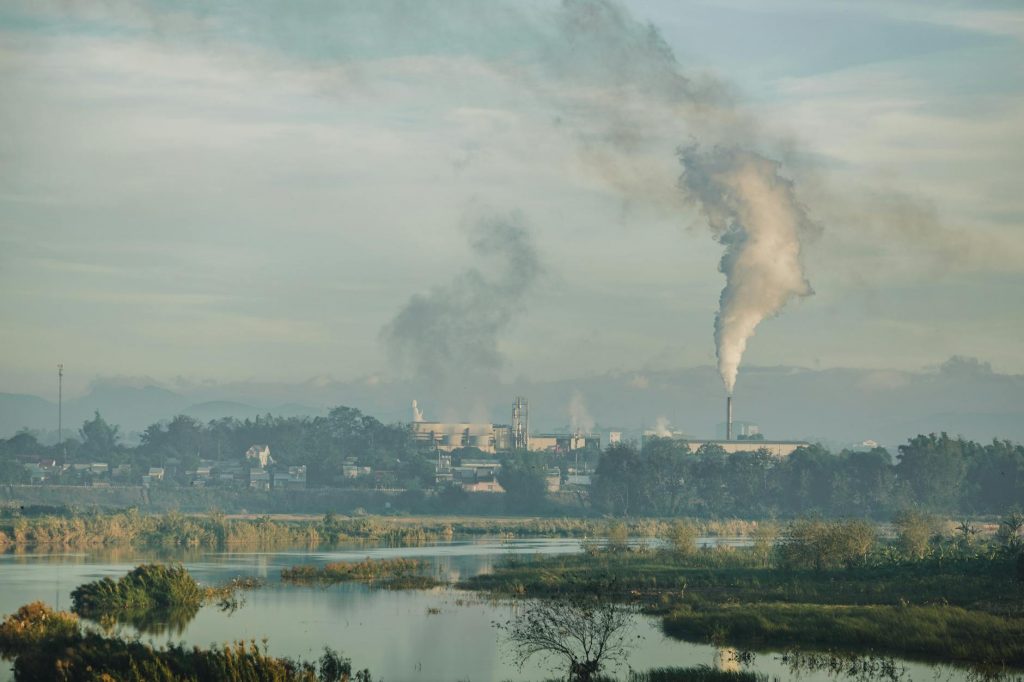
Nagpur is choking. A new study has found that air pollution in Maharashtra’s second-largest city is nine times higher than the safe levels recommended by the World Health Organisation. The findings put Nagpur ahead of Mumbai and Pune when it comes to dangerous air quality.
The research paints a bleak picture for residents who breathe this air every single day. Children, elderly people, and those with respiratory problems face real health risks. Nagpur has consistently struggled with air quality, but these numbers show just how severe the problem has become.
Why Nagpur Became A Pollution Hotspot
Multiple factors are working against the city. Heavy traffic congestion clogs roads during peak hours, pumping vehicle emissions into the atmosphere. Industrial activity in and around Nagpur adds another layer of pollution. During winter months, stubble burning in nearby agricultural areas makes things dramatically worse.
Weather patterns also play a role. The city’s geography and wind patterns sometimes trap polluted air, preventing it from dispersing naturally. Unlike bigger cities that have implemented stricter regulations over the years, Nagpur hasn’t benefited from the same level of pollution control measures.
What This Means For People Living There
The health implications are serious and immediate. Prolonged exposure to this level of pollution increases the risk of respiratory diseases, heart problems, and reduced lung function in children. People notice the effects daily—morning joggers cut short their runs, outdoor activities decline, and hospital visits for breathing problems spike.
The economic cost is real too. Productivity drops when people fall sick. Healthcare expenses increase for families. Property values can suffer in heavily polluted areas. Businesses struggle to attract talent to cities known for poor air quality.
The comparison with Mumbai and Pune matters because it shows Nagpur isn’t just facing a seasonal problem—it’s dealing with chronic, year-round pollution that’s worse than other major metros in the state.
What Comes Next
The city urgently needs a comprehensive action plan. This means stricter emission norms for vehicles, tighter controls on industrial pollution, and investment in public transportation to reduce car dependency. During winter months, authorities need aggressive strategies to tackle stubble burning in surrounding regions.
Residents shouldn’t wait for government action alone. Individual choices matter—using public transport, reducing unnecessary travel, and supporting green initiatives all help. Community pressure often forces officials to act faster than they would otherwise.
The study is a wake-up call that Nagpur’s air quality crisis demands immediate, sustained attention from both authorities and citizens.