
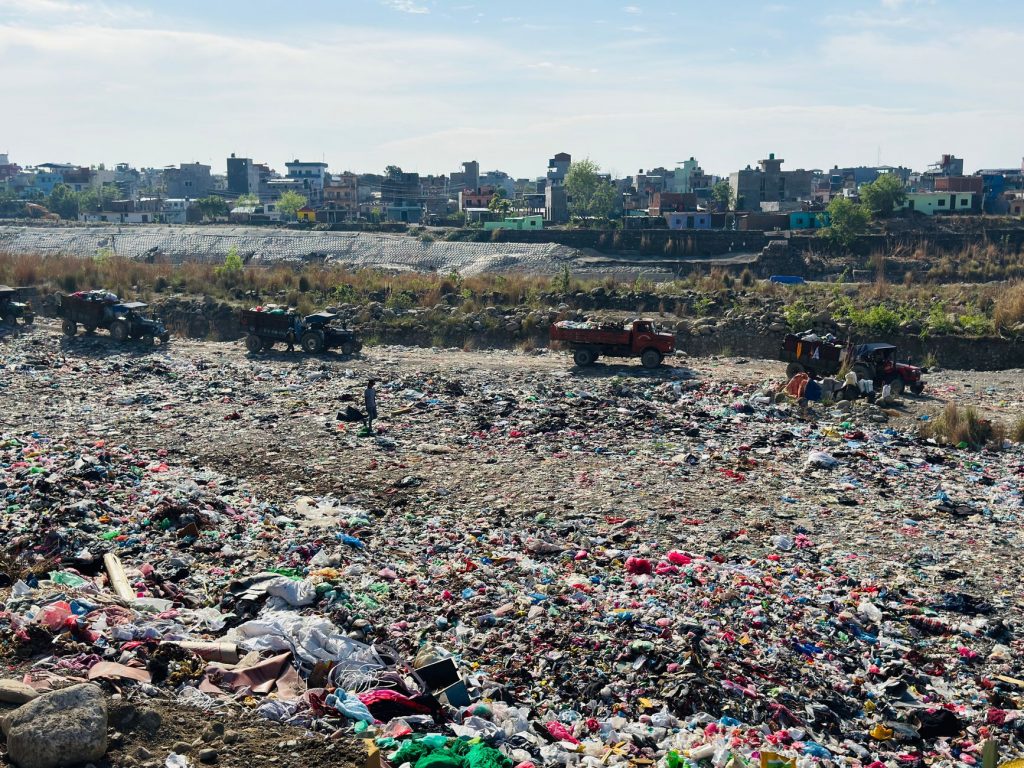
Nepal is making a bold demand, seeking financial aid for climate change damages from its powerful neighbours – India and China – along with the United States. This unprecedented move highlights the growing pressure on developed and developing nations alike to contribute to climate adaptation and mitigation efforts, especially from countries most vulnerable to the impacts of a warming planet.
Himalayan Nation’s Plea for Climate Justice
The Himalayan nation, known for its stunning mountain landscapes and glaciers, is facing severe consequences from climate change. Rising temperatures are causing Himalayan glaciers to melt at an alarming rate, threatening water supplies for millions downstream, including in India. Landslides and extreme weather events are also becoming more frequent, causing significant economic and social disruption. Nepal argues that while it contributes minimally to global emissions, it bears a disproportionate burden of the climate crisis, necessitating external support.
Why India and China are in the Spotlight
The inclusion of India and China in Nepal’s request is particularly significant. Both are major Asian economies and significant emitters of greenhouse gases, although their per capita emissions are lower than many Western nations. Nepal’s stance reflects a broader global debate about climate finance, where developing nations are increasingly calling for ‘loss and damage’ funds from historically larger polluters to help them cope with the unavoidable impacts of climate change.
What This Means for India
For India, Nepal’s demand puts it in a complex position. As a developing nation itself, India also faces significant climate challenges and often advocates for climate justice from developed countries. However, being a major regional power and a significant emitter, India also has a responsibility to contribute to climate solutions. This situation could lead to increased diplomatic discussions and potential collaborations on climate adaptation projects within the South Asian region, with India potentially playing a leading role in supporting its neighbours.
This move by Nepal underscores the urgent need for a global consensus on climate finance and burden-sharing. It signals that vulnerable nations are no longer willing to wait for the international community to act, and are prepared to directly approach those they believe have a responsibility to help.