
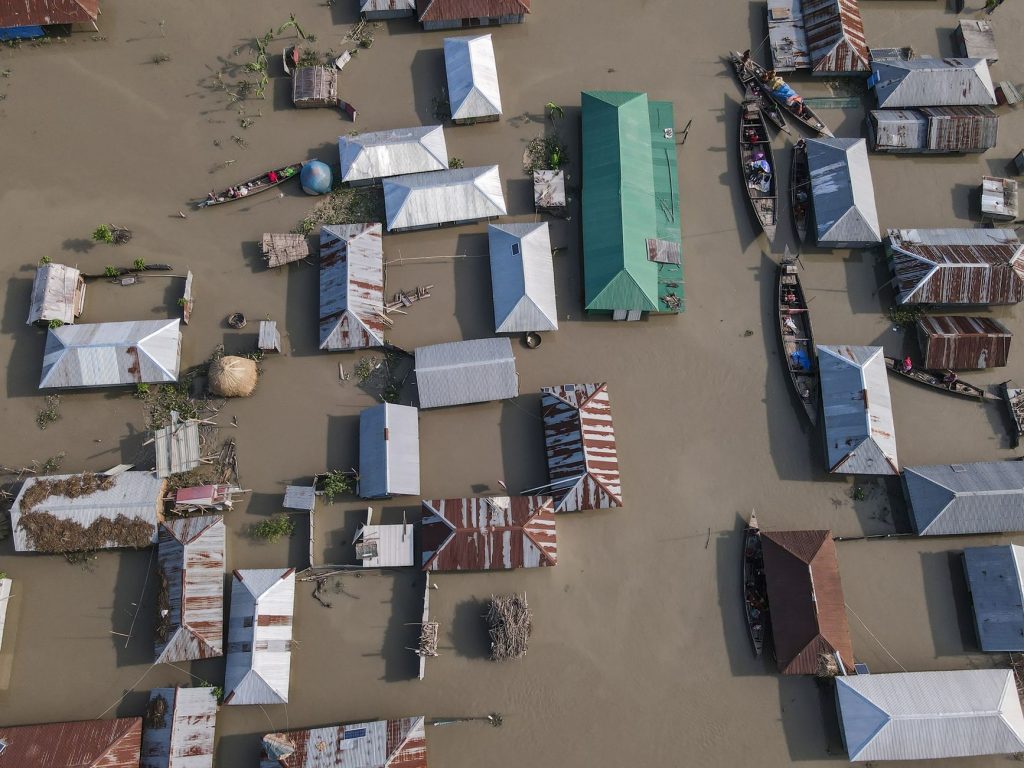
Imagine this: bodies, tragically lost to the fury of Nepal’s recent floods, have been carried an astonishing 200 kilometers downstream, with three unfortunate souls even surfacing on the Uttar Pradesh coast. This isn’t just a local tragedy; it’s a stark reminder of how interconnected our world, and our rivers, truly are.
The River’s Grim Delivery
The recent monsoon downpour in Nepal unleashed its devastating power, causing rivers to swell and become raging torrents. Tragically, this natural disaster has claimed lives, and the sheer force of the water has been so immense that it has transported victims across vast distances. The discovery of three bodies in Uttar Pradesh, hundreds of kilometers from where they likely met their end in Nepal, highlights the unprecedented scale of this event and the powerful, unyielding nature of these Himalayan rivers.
A Shared Waterway, A Shared Concern
This incredible journey of the flood victims underscores a crucial reality for us in India: our major rivers, like the Gandak and its tributaries, originate in Nepal and flow through our own states. What happens in our northern neighbour directly impacts our own communities downstream. The floods that devastate Nepal don’t just stop at the border; they carry their consequences with them, as evidenced by this heartbreaking discovery. It’s a somber wake-up call for better disaster preparedness and cross-border cooperation.
Authorities in Uttar Pradesh are now working to identify the bodies and conduct the necessary procedures. This incident also brings to the forefront the importance of robust early warning systems and disaster management protocols that extend across national boundaries. For us in India, it’s a powerful reminder to stay vigilant, especially as the monsoon season continues and our rivers swell. We need to be prepared for potential impacts, even those that originate far beyond our own borders.