
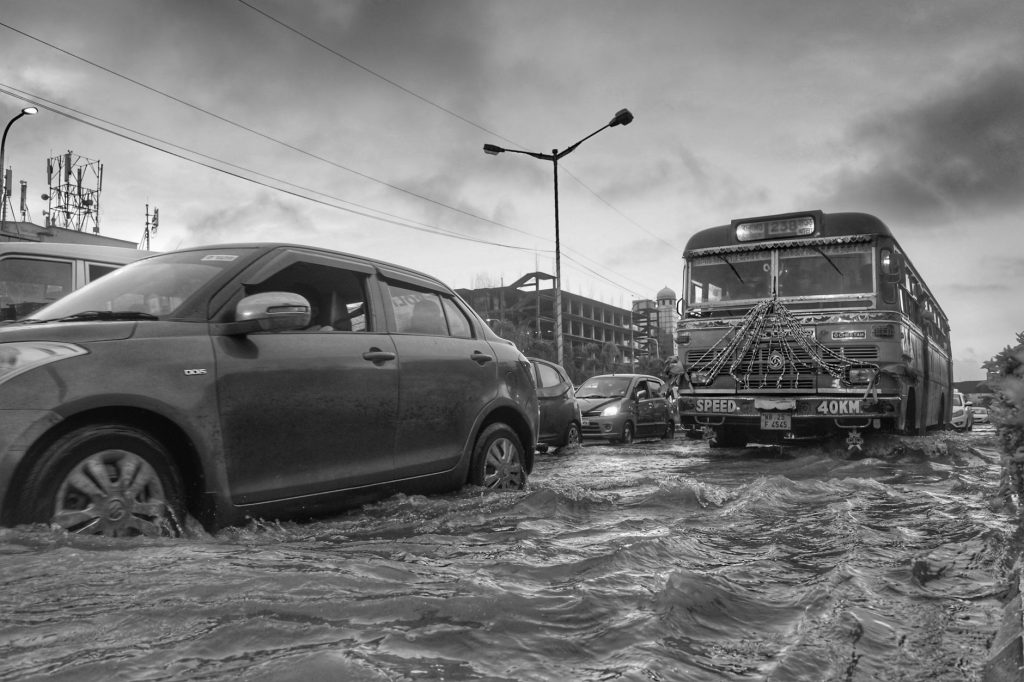
Are sudden floods a common sight in Nepal’s bustling markets? Absolutely not, and a recent terrifying incident in Trishuli Bazaar proves just how devastating and unexpected these natural calamities can be. Imagine a busy marketplace, people going about their daily lives, when suddenly, a wall of water rushes in, forcing everyone to scramble for safety. That’s precisely what happened, creating scenes of panic and chaos.
A Day of Terror Unfolds
Eyewitness videos have surfaced showing the terrifying moments when the Trishuli River, swollen by heavy rains, breached its banks and surged into the heart of Trishuli Bazaar. The water didn’t just rise; it came in a powerful, fast-moving torrent, carrying debris and causing widespread destruction. People were seen screaming, abandoning their shops and belongings, and desperately running to higher ground to escape the raging floodwaters. The sheer speed and force of the water left little time for evacuation, turning a normal day into a nightmare for the residents and visitors.
The Aftermath and Concerns
While the immediate danger has likely subsided, the aftermath of such a severe flood leaves behind a trail of damage. Businesses are likely ruined, homes may be submerged, and the local infrastructure could be severely impacted. The incident also raises serious concerns about disaster preparedness in the region. Nepal, being a mountainous country with numerous rivers, is always susceptible to flash floods and landslides, especially during the monsoon season. Understanding the vulnerabilities and strengthening early warning systems and community response plans are crucial to mitigate such catastrophic events in the future.
Why This Matters to Us
This event in Nepal is a stark reminder of nature’s unpredictable power and its potential to disrupt lives in an instant. For us in India, living in a neighboring country and sharing similar geographical challenges, such incidents highlight the importance of staying informed about weather patterns and disaster alerts. It underscores the need for robust disaster management strategies not just in affected areas but also in regions that might be at risk. The images from Trishuli Bazaar serve as a call to action, emphasizing the need for preparedness and collective efforts to face such natural challenges.